China’s orthopedic sector has become one of the world’s most formidable, even if it still flies under the radar for many patients abroad. Surgical volumes at leading centers outpace those of many Western hospitals, while robotic-assisted joint replacement, 3D-printed titanium implants, and other advanced techniques are now part of routine practice. At the same time, treatment costs typically run 30–50 percent below comparable care in the US or Europe.
That combination is drawing a growing number of international patients to China for everything from standard hip replacements to highly complex limb reconstruction.
The hard part is not finding a strong hospital. It is finding the right one.
Orthopedic care in China is highly subspecialized. A hospital known for trauma may not be the best fit for sports medicine. A spine leader may be different from the strongest option for joint replacement. With that in mind, here is an objective look at five of the country’s most authoritative orthopedic hospitals, based on clinical reputation, annual surgical volume, Fudan Hospital specialty rankings, and the strength of their international patient services.
1. Beijing Jishuitan Hospital — The National Benchmark
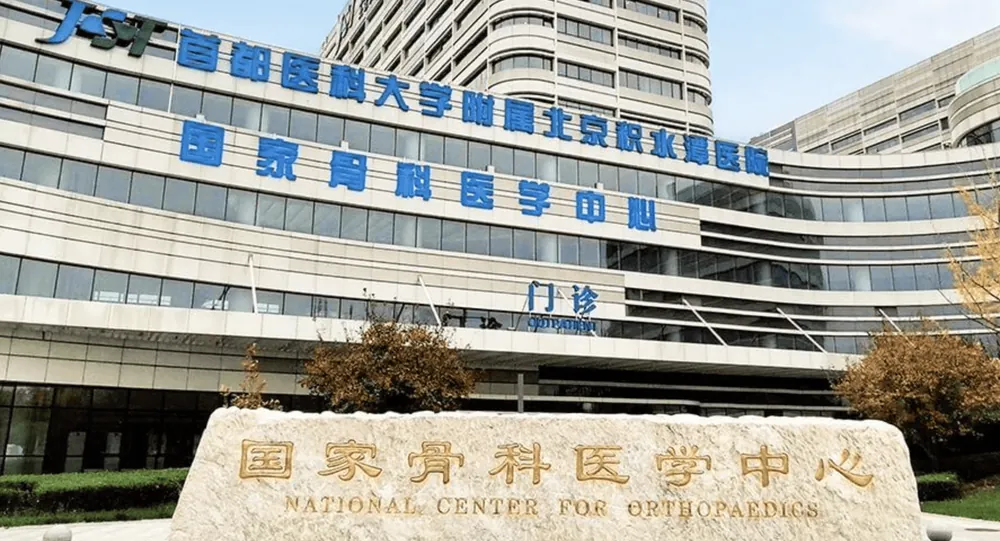
If one name defines orthopedic excellence in China, it is Beijing Jishuitan Hospital. Established in 1956, it serves as the core institution of China’s National Orthopedic Medical Center and has held the No. 1 position in China’s orthopedic specialty reputation rankings for more than a decade.
Where it stands out
- Complex trauma and fracture repair: Jishuitan is the WHO Collaborating Center for Trauma Care and manages high-energy pelvic, acetabular, and multi-trauma cases referred from across China.
- Hand and microsurgery: Its replantation and peripheral nerve repair programs are considered world-class.
- Joint and spine surgery: The hospital performs more than 20,000 orthopedic procedures annually, with over 60 percent classified as high-difficulty. It also runs one of China’s most mature robotic-assisted joint and spine surgery programs.
- Bone tumors: It has extensive experience in limb-salvage surgery for malignant bone tumors.
International patient experience
Jishuitan operates a dedicated International Medical Center across three campuses with 44 consultation rooms. It provides multilingual support, medical record translation, and direct billing with more than 22 international insurers. The center treats more than 2,000 foreign patients each year, and admission wait times are often shorter than those in many Western healthcare systems.
Best for
Severe trauma, complex fractures, failed joint replacements, bone tumors, hand surgery, and limb reconstruction.
2. Peking University Third Hospital (PUH3) — A Sports Medicine and Spine Pioneer
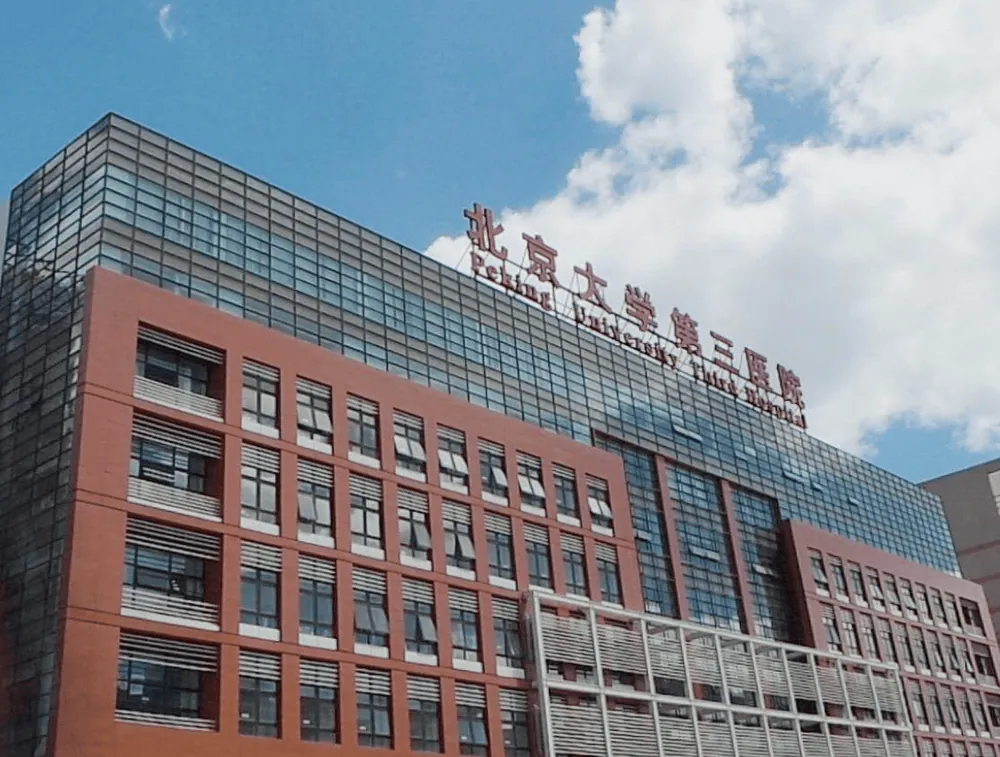
PUH3 is widely regarded as the birthplace of sports medicine in China and serves as the designated injury prevention center for the country’s Olympic athletes. Its orthopedic department is a national key discipline with especially strong international recognition in cervical and lumbar spine surgery.
Where it stands out
- Spine surgery: The hospital pioneered many of China’s classic techniques for cervical spondylosis, atlantoaxial dislocation, spinal tumors, and severe thoracolumbar deformities.
- Sports injuries: It handles ACL reconstruction, meniscus repair, rotator cuff tears, cartilage regeneration, and shoulder instability at high volume.
- Innovation: PUH3 independently develops 3D-printed titanium alloy orthopedic implants for personalized reconstruction.
International patient experience
The hospital offers full English medical records, international remote consultation, and standardized ERAS protocols aligned with global standards. Its international department is experienced in supporting both overseas athletes and patients with everyday sports injuries.
Best for
Sports injuries, spine deformities, cervical and lumbar disc disease, and patients seeking minimally invasive spine or joint-preservation procedures.
3. Shanghai Sixth People’s Hospital — The Cradle of Replantation
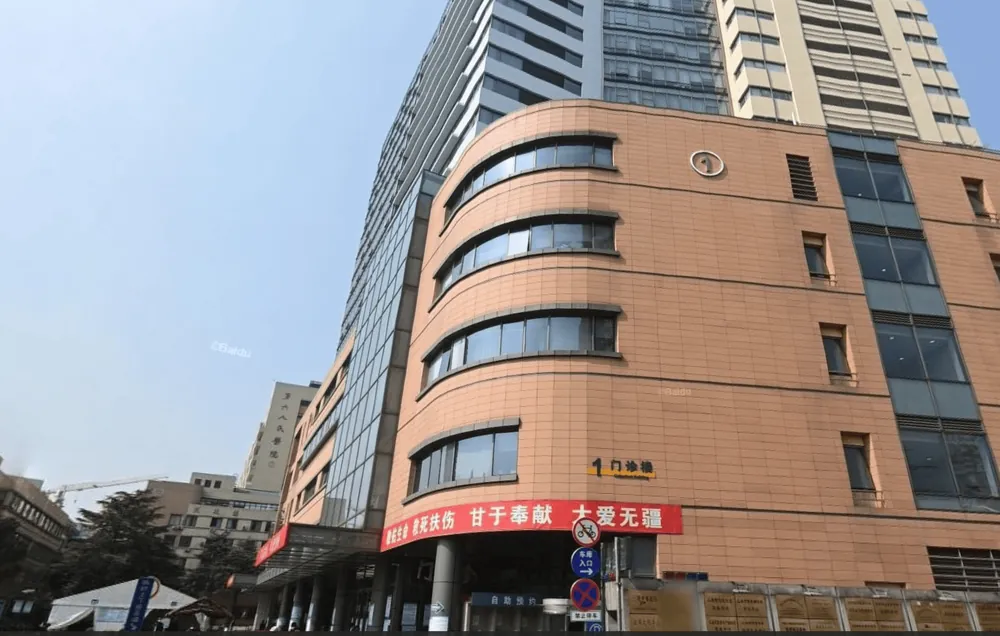
Shanghai Sixth People’s Hospital holds a permanent place in medical history as the site of the world’s first successful limb replantation. Today, it remains a global leader in microsurgical reconstruction and consistently ranks among the top three orthopedic hospitals in China.
Where it stands out
- Microsurgery and replantation: The hospital performs severed limb and finger replantation, toe-to-hand transfer, and complex flap reconstruction at a scale and success rate matched by few centers worldwide.
- Joint surgery: It was one of China’s earliest adopters of artificial hip and knee replacement and has notable expertise in avascular necrosis of the femoral head.
- Trauma and arthroscopy: Complex intra-articular fractures and minimally invasive ligament reconstruction are routine.
International patient experience
The hospital has longstanding experience caring for foreign patients and operates a VIP International Medical Department with multilingual staff and streamlined overseas admission workflows. It also supports direct billing with major international insurers.
Best for
Microsurgical reconstruction, complex limb trauma, joint replacement, and sports-related arthroscopic procedures.
4. West China Hospital, Sichuan University — The Academic Powerhouse
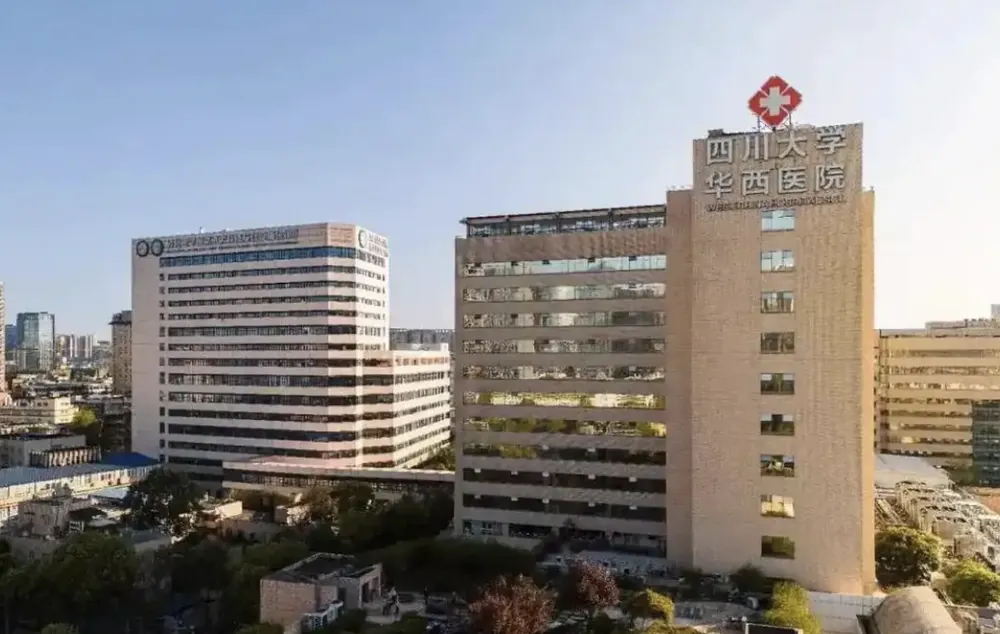
Based in Chengdu, West China Hospital is one of the largest comprehensive hospitals in the world. Its orthopedic department is a national key clinical specialty and ranked first among Chinese institutions for orthopedic SCI publications in 2025.
Where it stands out
- Comprehensive coverage: The department spans spine, joint replacement, trauma, bone tumors, pediatric orthopedics, and geriatric orthopedics with consistently strong depth.
- ERAS leadership: As a national demonstration center for Enhanced Recovery After Surgery, it has significantly shortened postoperative stays and recovery cycles.
- Robotic surgery: The hospital uses advanced orthopedic surgical robots for precise, minimally invasive joint and spine procedures.
International patient experience
West China provides standardized international medical services, including English-language consultations, international insurance settlement, and customized rehabilitation plans. Its scale is especially useful for patients with complex comorbidities who need coordinated multidisciplinary care.
Best for
Complex multi-system cases, bone tumors, pediatric orthopedics, geriatric fractures, and patients seeking evidence-based accelerated rehabilitation.
5. Chinese PLA General Hospital (301 Hospital) — Built for High-Difficulty Cases

The Chinese PLA General Hospital, commonly known as 301 Hospital, sits at the top of China’s military medical system. Its orthopedic department was formed by integrating orthopedic units from seven major hospitals and now operates as a national key specialty with substantial clinical depth.
Where it stands out
- Revision and complex joint replacement: The hospital performs high-difficulty hip and knee revision surgeries at large scale.
- Severe spine deformity: It is an authoritative center for scoliosis correction and complex spinal reconstruction.
- Geriatric orthopedics: It has developed a minimally invasive treatment and rehabilitation system for elderly patients with osteoporosis-related fractures and multiple underlying conditions.
- Technology stack: The department uses MAKO robotic systems and intraoperative navigation for joint replacement.
International patient experience
301 Hospital runs an independent International Medical Center managed to JCI standards, with full-process English services and convenient international settlement channels. Appointment slots are intentionally longer, typically 20–30 minutes, to better support foreign patients, and staff can coordinate referrals across internal departments.
Best for
Complex revision joint surgery, severe spinal deformity, malignant bone tumors, pelvic fractures, and elderly patients with multiple health conditions.
How to Match the Hospital to the Diagnosis
Here is the practical shortlist by condition:
- Severe trauma or complex fractures: Beijing Jishuitan Hospital, Shanghai Sixth People’s Hospital
- Joint replacement (hip, knee, shoulder): Beijing Jishuitan Hospital, 301 Hospital, West China Hospital
- Sports injuries or arthroscopy: Peking University Third Hospital
- Spine deformity, scoliosis, or cervical disease: Peking University Third Hospital, 301 Hospital
- Hand surgery, microsurgery, or nerve repair: Beijing Jishuitan Hospital, Shanghai Sixth People’s Hospital
- Bone tumors or sarcoma: Beijing Jishuitan Hospital, 301 Hospital, West China Hospital
- Pediatric orthopedics: West China Hospital
- Geriatric or osteoporosis-related fractures: 301 Hospital
Practical Advice for International Patients
Before traveling
Reach out directly to the hospital’s International Medical Department, VIP clinic, or foreign patient services team through its official website or email channel. Prepare MRI or CT scans, ideally in DICOM format, English pathology reports, and a summary of prior treatment. These materials are typically required for a preliminary treatment recommendation and cost estimate.
Visa support
Most major hospitals can issue a formal medical invitation letter to support a Chinese medical visa application, including an S-type visa or another relevant medical category.
Costs and insurance
Orthopedic procedures in China typically cost one-third to one-half of comparable treatment in the US or Europe. Many top-tier hospitals have direct-billing agreements with major international insurers, including MSH, Bupa, and Cigna. Patients should verify in advance whether their policy is included on the hospital’s direct-pay list.
Language support
All five hospitals listed here offer English-speaking coordinators through their international departments. Even so, patients with unusually complex cases may benefit from hiring a professional medical translator, especially when consultations involve rare terminology or require third-party advocacy.
Rehabilitation planning
Orthopedic recovery in China often combines conventional physiotherapy with Traditional Chinese Medicine, including acupuncture, therapeutic massage, and herbal protocols. Many international patients report that this integrated approach is helpful for postoperative pain control and mobility recovery.
Final Take
China’s top orthopedic hospitals are not simply lower-cost alternatives. They are high-volume, technically advanced institutions where specialists handle complex procedures every day.
For international patients, the real differentiator is fit. The best outcome often comes from matching a specific diagnosis to the hospital that specializes in it, then engaging the international department early to streamline records, insurance, admission, and rehabilitation planning. In practical terms, that means organizing your imaging, confirming your coverage, and mapping out recovery before the trip begins.