Shanghai is one of Asia’s most concentrated hubs for advanced dental care. For international patients, the city essentially runs on a two-track system: large public university hospitals that take on complex, high-acuity cases at regulated prices, and a mature private clinic network built around English-speaking service, digital workflows, and more flexible scheduling.
Which route makes sense depends on three things: how complex your condition is, how much logistical friction you can tolerate, and whether you need treatment wrapped up during a short stay.
Here’s an objective look at the institutions most consistently recommended across clinical reputation surveys and patient feedback, organized by the type of care they’re best suited to handle.
Public tertiary hospitals: the top choice for complex cases
Shanghai’s public Grade 3A hospitals are government-run, academically affiliated, and subject to national price caps. They’re the right fit for orthognathic surgery, complex implant reconstruction, oral tumors, and cases that may require support from internal medicine or other specialties.
The trade-off is familiar: English-language support can be inconsistent outside dedicated international departments, and appointments often require advance coordination.
Shanghai Ninth People’s Hospital
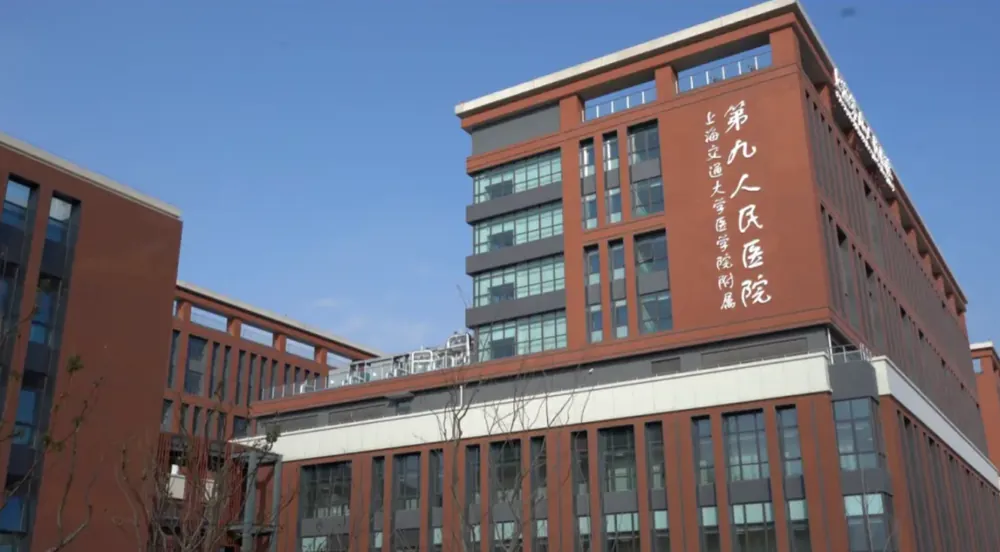
Affiliation: Shanghai Jiao Tong University School of Medicine
Best known for: Oral and craniomaxillofacial surgery, complex implantology, orthodontics, and oral oncology
Shanghai Ninth People’s Hospital is widely seen as the top destination in China for complex dental and maxillofacial treatment. Its stomatology department has ranked among the country’s top three in specialty reputation indexes, and the hospital serves as both a National Oral Medical Center and a National Clinical Research Center for Oral Diseases.
It handles thousands of implant cases every year and is a major referral center for orthognathic surgery, cleft lip and palate treatment sequences, and head and neck tumor reconstruction.
For international patients, the hospital opened a dedicated International Medical Services center in Pudong in 2024. That center offers multilingual coordination in English, Japanese, French, and Spanish, direct billing with more than 60 global insurers, and JCI accreditation. The main stomatology campus remains at 639 Zhizaoju Road in Huangpu District.
Best for:
- Severe jaw deformities
- Failed implants that need revision
- Full-mouth reconstruction
- Oral cancer rehabilitation
- Combined orthognathic and orthodontic treatment
Stomatological Hospital of Tongji University
Best known for: Orthodontics, prosthodontics, periodontics, and pediatric dentistry
This is one of Shanghai’s few Grade 3A hospitals focused entirely on dentistry. Its Prosthodontics and Orthodontics departments are designated national key clinical specialties.
The hospital is especially strong in adult and adolescent orthodontics, including invisible aligners, as well as full-mouth occlusal rehabilitation and digital implant workflows. Compared with Ninth People’s Hospital, specialist access for non-surgical cases is somewhat less congested.
Best for:
- Braces and aligners
- Complex crown and bridge work
- Periodontal surgery
- Children’s dental care within a public hospital pricing structure
Shanghai Stomatological Hospital
Affiliation: Fudan University
Best known for: Preventive dentistry, general restorative care, pediatric dentistry, and periodontics
Founded in 1946 as Shanghai’s first public dental institution, this hospital now operates multiple campuses, including a large Minhang facility with roughly 380 dental chairs.
It’s a balanced, full-service public dental hospital with strong capabilities in prevention, gum disease management, and routine family dentistry. Its multi-campus setup also makes it easier to access from different parts of the city.
Best for:
- Routine fillings
- Root canals
- Cleanings
- Pediatric dental visits
- Periodontal maintenance
It’s also a practical alternative when Ninth People’s Hospital is fully booked.
Huashan Hospital
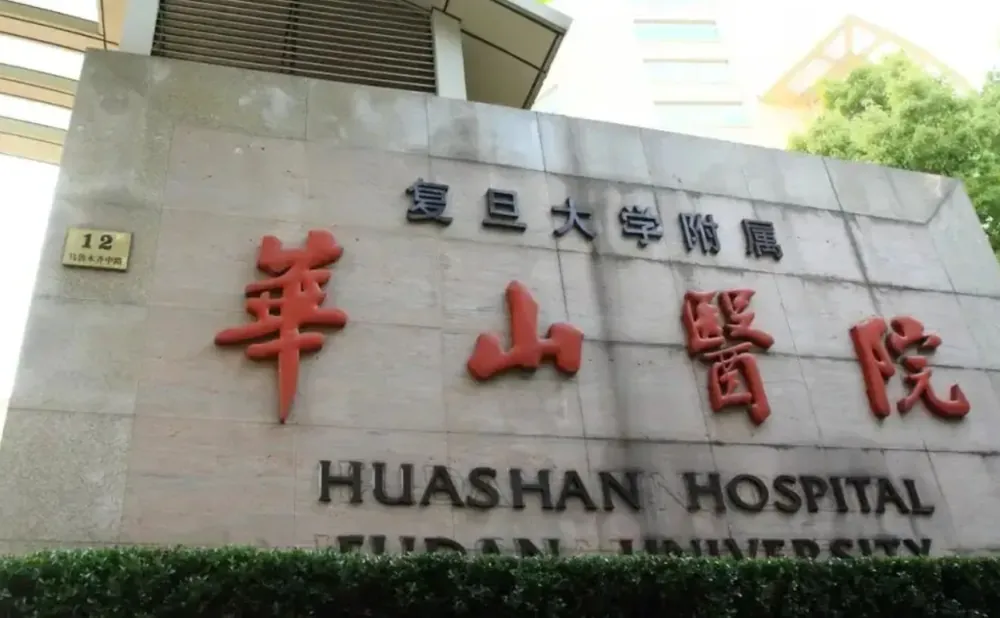
Affiliation: Fudan University
Best known for: Oral mucosal diseases, microscopic endodontics, and multidisciplinary care
Huashan is a top-tier general hospital, and its dental department stands out in two areas: diagnosing and managing oral mucosal conditions, and performing microscopic root canal therapy.
That makes it a particularly strong option for issues like lichen planus, recurrent ulcers, leukoplakia, calcified canals, or previously failed root canals. Its biggest advantage, though, is access to rapid multidisciplinary consultation with departments like neurology, dermatology, and internal medicine. That can be critical for patients with systemic disease or unexplained oral symptoms.
The hospital also operates a Worldwide Medical Center with English-language support.
Best for:
- Persistent oral mucosal lesions
- Difficult or failed root canal cases
- Patients who may need coordinated care across specialties
Ruijin Hospital
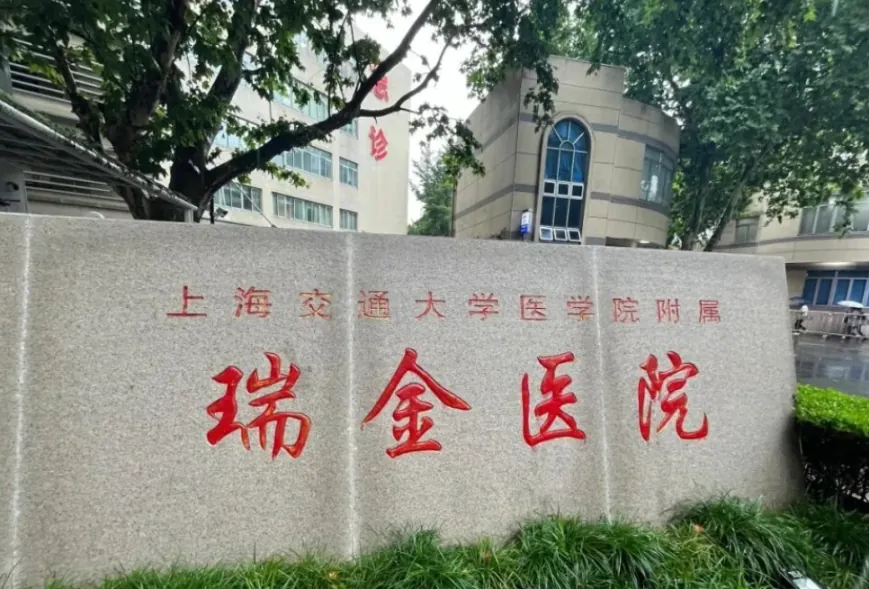
Affiliation: Shanghai Jiao Tong University
Best known for: Dental care for medically compromised patients, oral mucosal disease, and geriatric dentistry
Ruijin is a historic comprehensive tertiary hospital whose dental department is experienced in treating patients with diabetes, cardiovascular disease, and other chronic conditions. Its clinicians are accustomed to pre-operative medical optimization and conservative treatment planning for elderly or medically fragile patients.
Best for:
- Older adults
- Patients with uncontrolled diabetes or hypertension who need extractions or implant surgery
- People who prefer conservative, communication-heavy care inside a major medical center
Zhongshan Hospital
Affiliation: Fudan University
Best known for: ECG-monitored oral surgery and immediate full-arch implantation
Zhongshan’s dental team is notable for cardiac-monitored tooth extraction and implant placement, making it one of the safer options for patients with heart disease. The hospital also offers same-day full-arch immediate implant and provisional fixed bridge protocols.
Best for:
- Patients with arrhythmias
- Patients with coronary disease
- Anyone with a cardiac history who needs oral surgery under monitored conditions
Xinhua Hospital
Best known for: Pediatric dentistry
Affiliated with Shanghai Jiao Tong University, Xinhua Hospital has a particularly strong pediatric dental program. It also has experience with general anesthesia and sedation for young children who require extensive rehabilitation.
Best for:
- Children under 10 needing complex dental treatment
- Cases where behavioral management or sedation is likely to be needed
Private and international clinics: faster access, better English support, and more convenience
Shanghai’s private dental market ranges from local mid-market chains to premium international medical centers. In general, these clinics offer online booking, English-speaking dentists and coordinators, transparent pricing, and direct billing with international insurers.
They’re often the better fit for elective cosmetic work, standard implants, orthodontics, and routine restorative care, especially if your time in Shanghai is limited.
Dingzhi Dental
Chinese name: 鼎植口腔
Best known for: Complex implantology, zygomatic and pterygoid implants, and full-arch restoration
Dingzhi is a Shanghai-based chain with a flagship implant center on Huaihai Middle Road. It has built an international patient program around complex implant cases, particularly for patients who have been told they don’t have enough bone for conventional implants.
The clinic is co-inventor of the VIIV zygomatic and pterygoid implant technique, which can bypass bone grafting in cases of severe atrophy. It uses Straumann and Nobel Biocare systems and publishes transparent pricing. Single implants start at around $775 all-inclusive, while full-arch restorations start at around $6,945 per arch.
English-speaking coordinators also handle remote case review and scheduling.
Best for:
- Severe bone loss cases seeking graft-free implant options
- Full-mouth reconstruction
- Patients who want a written English treatment plan before traveling
Taikang Bybo Dental
Chinese name: 泰康拜博口腔
Best known for: General dentistry, invisible orthodontics, and pediatric dentistry
Taikang Bybo is a large national chain with wide coverage across Shanghai. It offers standardized service menus, digital smile design, and weekend appointments.
The main caveat is that quality can vary by branch, so patients should verify the credentials of the specific lead dentist, especially for implants or orthodontics.
Malo Dental, DDS, PureSmile, and Parkway Dental
Best known for: General and cosmetic dentistry
These clinics are heavily geared toward expatriates and short-term visitors. Expect English-native or fully bilingual staff, Western-style communication, and the kind of patient experience international travelers will find familiar.
Parkway stands out in particular because it operates within a broader international hospital network and offers direct billing to major global insurers.
Jiahui Health, United Family, and Shanghai East International Medical Center
Best known for: Comprehensive international-standard dentistry
These are premium international hospitals with dental departments. They typically offer end-to-end English-language service, integrated electronic records, and direct insurance billing.
They cost more than public hospitals and mid-tier private chains, but they largely remove language barriers and offer a more Western-style continuity of care.
What treatment costs look like
China’s 2023 national Volume-Based Procurement reform sharply reduced implant fixture costs. As of 2026, implant pricing in public hospitals remains capped and stable, while private clinics compete in a more transparent market.
Here’s the rough cost picture for international patients:
| Procedure | Typical Public Hospital Cost (USD) | Typical Premium Private Cost (USD) | Approximate US/EU Cost (USD) |
|---|---|---|---|
| Single implant (premium brand, all-inclusive) | $1,400–$2,500 | $1,500–$3,500 | $3,500–$6,000 |
| All-on-4 single arch | $4,000–$9,000 | $9,500–$20,000 | $18,000–$40,000 |
| All-ceramic crown | $280–$500 | $300–$700 | $1,000–$1,500 |
| Clear aligners (full treatment) | $2,100–$4,000 | $2,500–$6,300 | $5,000–$8,000 |
Sources: 2026 international patient pricing guides and clinic quotations.
One important detail: public hospitals usually separate the medical service fee from the material cost. For implant surgery, that service fee is capped at roughly ¥4,500, or about $620. Private clinics are more likely to bundle everything into a single quote.
Before committing, ask for an itemized estimate in English.
What international patients should know before booking
Visa and stay length
Many nationalities can enter Shanghai visa-free for up to 144 hours, or six days, under China’s transit visa exemption. That can be enough for a consultation, surgery, and an initial follow-up.
For multi-stage treatment, especially implants that require osseointegration before final crown placement, you may need two separate trips or a longer tourist visa.
Language support
Public hospitals: English support is typically available through dedicated international departments, such as Ninth People’s IMS or Huashan’s Worldwide Medical Center. Outside those channels, most general outpatient areas operate in Mandarin. A bilingual medical coordinator or interpreter is strongly recommended for registration, history-taking, and post-op instructions.
Private clinics: Most expat-focused clinics can handle the entire process in English.
Appointment timing
Public hospital international departments generally don’t offer self-service English web portals. International patients usually book through email or phone, a medical tourism coordinator, or a concierge service.
Typical wait times are:
- 3–5 weeks for complex cases at top public hospitals
- 1–2 weeks at premium private clinics
Payment and insurance
Public hospitals: Usually accept cash, Alipay, WeChat Pay, and some international credit cards. Direct billing is limited, so patients often pay first and submit reimbursement later.
Private and international clinics: Typically accept Visa, Mastercard, and mobile payments, and often support direct billing with international insurers including Cigna, Bupa, MSH, and Allianz.
For reimbursement, ask for:
- An official English invoice
- A diagnosis certificate
- A surgical record
Records to bring
If possible, bring or send these in advance:
- Recent panoramic X-rays or CBCT scans
- Intraoral photos
- Previous treatment records
- A list of current medications and allergies
- Your travel dates
For implant consultations, a CBCT taken within the past six months is ideal.
A quick matching guide
Here’s the short version of where to go depending on your situation:
- Jaw deformity, orthognathic surgery, or oral tumor: Shanghai Ninth People’s Hospital
- Complex implant case with severe bone loss: Dingzhi Dental or Shanghai Ninth People’s Hospital
- Braces, aligners, or full-mouth reconstruction: Tongji Dental Hospital, Shanghai Stomatological Hospital, or Taikang Bybo
- Microscopic root canal therapy or oral lichen planus: Huashan Hospital
- A child who may need sedation or general anesthesia: Xinhua Hospital or Shanghai Stomatological Hospital
- Heart disease requiring monitored extraction: Zhongshan Hospital
- Diabetes, older age, or multiple medical conditions: Ruijin Hospital
- Short visit, routine care, and strong English support: Jiahui Health, United Family, Parkway, or Dingzhi Dental
The bottom line
Shanghai’s dental infrastructure is deep enough that international patients don’t need to default to the most famous name for every procedure.
A routine implant or crown can often be handled extremely well at Tongji Dental Hospital or a reputable private clinic, often with shorter waits and smoother communication. The biggest public centers, including Ninth People’s Hospital, are best reserved for what they’re uniquely equipped to do: complex surgery, pathology, and multidisciplinary reconstruction.
Wherever you go, the most important step is to verify the individual dentist’s qualifications and case volume, rather than relying on the institution’s brand alone.