All patient guidesSemua panduan pasien返回全部指南
July 25, 2026 Patient guidePanduan pasien就医指南

Navigating Beijing Dental Care: The Best Hospitals and Clinics for International PatientsNavigating Beijing Dental Care: The Best Hospitals and Clinics for International Patients北京牙科就医指南:国际患者首选的最佳医院与诊所

Beijing has emerged as one of China’s strongest hubs for advanced dental and stomatological care. For international patients, that translates into a broad mix of options: elite public specialist hospitals, dental centers inside major genera…Beijing has emerged as one of China’s strongest hubs for advanced dental and stomatological care. For international patients, that translates into a broad mix of options: elite public specialist hospitals, dental centers inside major genera…北京已成为中国先进牙科与口腔医疗最强的枢纽之一。对于国际患者而言,这意味着可选择的机构类型非常丰富:顶尖公立专科医院、大型综合医院内的口腔中心,以及以便利性和服务为核心打造的高端私立诊所。

Beijing has emerged as one of China’s strongest hubs for advanced dental and stomatological care. For international patients, that translates into a broad mix of options: elite public specialist hospitals, dental centers inside major general hospitals, and premium private clinics built around convenience and service.

The right choice depends on a few key factors: how complex your condition is, whether you need reliable English-language support, and whether your treatment may require coordination with other medical specialties.

Here’s a practical, fact-based look at Beijing’s leading dental providers, based on public hospital information, specialty rankings, and international patient service capacity.

Tier 1: National-Level Public Specialist Hospitals

These Class III Grade A specialized stomatology hospitals sit at the top of China’s clinical dentistry system. They are the strongest fit for complex cases, oral and maxillofacial surgery, and full-mouth rehabilitation.

Peking University Hospital of Stomatology (PKU Dental)

Founded in 1941, PKU Dental serves as the National Center for Stomatology and has consistently ranked first in national dental specialty reputation surveys. The hospital operates a clinical, education, and research model, with 15 clinical departments and 8 medical technology departments. Across its network, it has around 770 dental chairs and 173 inpatient beds.

Where it stands out

  • Oral and maxillofacial surgery, including orthognathic surgery, tumor resection, and cleft lip and palate repair
  • Complex implantology, including zygomatic implants and full-arch rehabilitation
  • Endodontic retreatment and microscopic root canal therapy
  • Severe periodontal disease management
  • Complex orthodontics and craniofacial deformity treatment

Locations and access

The main campus is located at No. 22 Zhongguancun South Street in Haidian District, near Weigongcun and Metro Line 4. PKU Dental also operates branch clinics in Xidan, Huilongguan, and Tianzhu in Shunyi, which may be more convenient depending on where you are staying.

What international patients should know

  • Services are available in English, Japanese, and Korean through the hospital and its International Clinical Division
  • Specialist appointments at the main campus are extremely competitive, so booking well in advance is essential
  • Appointments can be made through the hospital’s official WeChat mini-program or hotline
  • Branch clinics may offer better availability for non-emergency treatment

Best for: Complex or rare oral conditions, and patients who need inpatient oral and maxillofacial surgery.

Beijing Stomatological Hospital (Capital Medical University)

Established in 1945, Beijing Stomatological Hospital is the city’s largest municipal public dental hospital and serves as the host institution for the Beijing Stomatological Medical Quality Control Center. It holds multiple national key clinical specialties, including endodontics, periodontics, and orthodontics. A new main campus in Fengtai District began clinical operations in December 2024, adding to its existing Wangfujing and Tiantan campuses.

Where it stands out

  • Pediatric dentistry and early orthodontic intervention
  • Microscopic endodontics and retreatment
  • Digital orthodontics and implantology
  • Oral and maxillofacial surgery, including complex wisdom tooth extraction and trauma repair

What international patients should know

  • English and Japanese services are available
  • Appointment access is generally somewhat easier than at PKU Dental while still offering top-tier clinical standards

Best for: Families seeking pediatric care, patients needing periodontal or endodontic specialty treatment, and those based in southern or eastern Beijing.

Tier 2: Dental Centers Inside Top General Hospitals

For patients with systemic medical conditions such as cardiovascular disease, uncontrolled diabetes, or blood disorders, dental departments inside top general hospitals offer a major advantage: easier access to multidisciplinary care and hospital-wide backup.

Peking Union Medical College Hospital (PUMCH) — International Medical Services
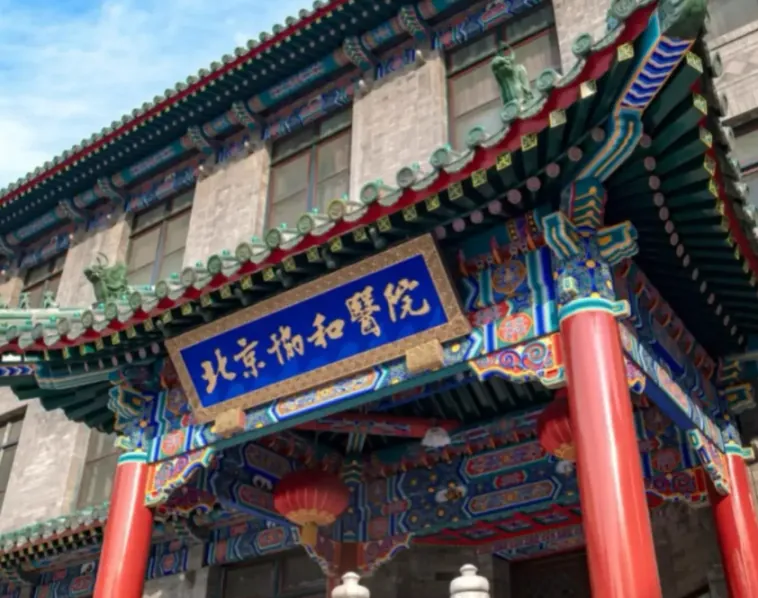
Peking Union Medical College Hospital

PUMCH is not a specialist dental hospital, but it is widely recognized as one of China’s leading comprehensive medical institutions. Its International Medical Services department runs a dedicated dental center offering comprehensive stomatological care, including periodontal therapy, implantology, microscopic endodontics, orthodontics, and maxillofacial surgery.

Where it stands out

  • Dental treatment for high-risk patients with systemic disease, including hypertension, diabetes, and anticoagulation therapy
  • Oral mucosal disease diagnosis supported by PUMCH’s immunology and dermatology expertise
  • Multidisciplinary team coordination for complex cases
  • Painless dental treatment protocols

What international patients should know

  • IMS offers support in English, Japanese, French, Korean, Russian, and German
  • Patients can book through the English interface in the official PUMCH app, the IMS telephone hotline, or the WeChat mini-program
  • IMS supports direct billing with many international insurance providers

Best for: Elderly patients, patients with significant medical comorbidities, and anyone who needs close coordination between dental and medical specialties.

Chinese PLA General Hospital (301 Hospital) — Stomatology Center
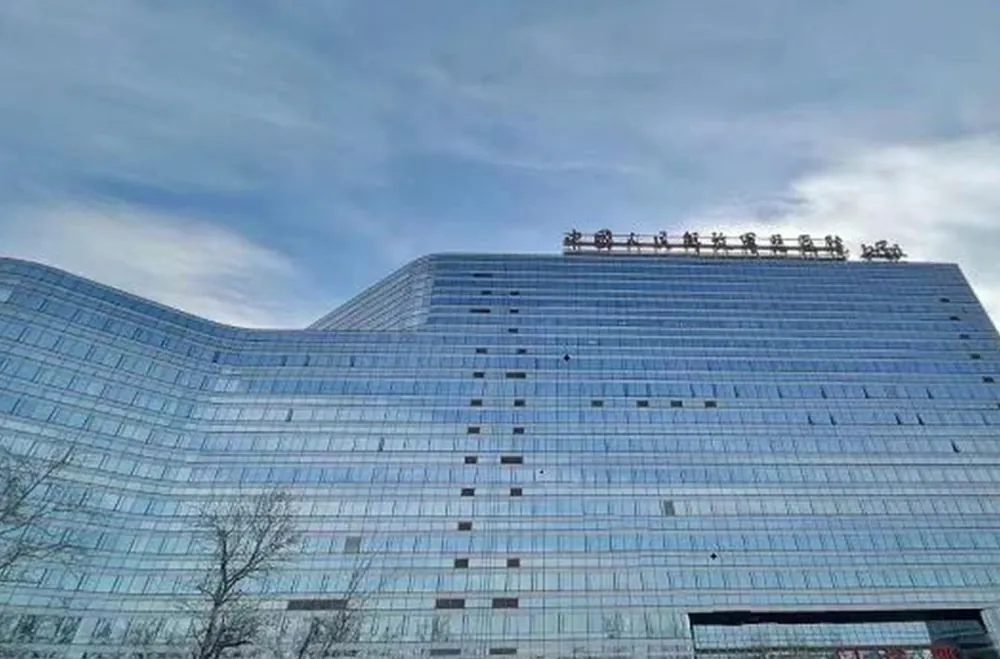
Chinese PLA General Hospital (301 Hospital)

Founded in 1953, 301 Hospital is a large military comprehensive hospital. Its Stomatology Center is one of the most technologically advanced in the military medical system, with particular strength in digital implantology and maxillofacial trauma reconstruction. Across all departments, the hospital handles more than 4.9 million outpatient visits annually.

Where it stands out

  • Digital and full-arch implantology
  • Maxillofacial trauma and reconstructive surgery
  • Minimally invasive tooth extraction under monitoring
  • Geriatric dental rehabilitation

What international patients should know

  • The International Medical Center provides English-speaking coordinators and selected English-capable physicians
  • Foreign patients should carry their passports, as security checks are required at entrances
  • The IMC operates in a separate building and typically offers longer consultation times of 20 to 30 minutes compared with standard clinics

Best for: Inpatient dental surgery, full-arch implant rehabilitation, and patients who value streamlined hospital logistics.

Beijing Tongren Hospital (Capital Medical University)

With more than a century of history, Tongren Hospital’s dental department benefits from the institution’s nationally recognized ENT background. It is also a doctoral and master’s degree training site with broad sub-specialty coverage.

Where it stands out

  • Cranio-maxillofacial conditions linked to ENT pathology
  • Standard-of-care periodontal treatment
  • Aesthetic and pediatric dentistry

What international patients should know

  • English-language services are available

Best for: Patients dealing with overlapping dental and ear, nose, or throat symptoms, or those seeking care in the Dongcheng or Chaoyang area.

Tier 3: Premium Private Dental Clinics

For routine treatment, cosmetic dentistry, or patients who prioritize fast scheduling and English-speaking service, Beijing’s established private dental chains can be a strong alternative. Many employ dentists trained at PKU Dental or Capital Medical University.

Notable options

  • Jingsong Dental: A long-established local chain with a dedicated implant center partnered with Straumann
  • Arrail Dental / Rytan Dental: Positioned in the mid-to-high-end market, with a reputation for service quality and comfortable clinics
  • Taikang Bybo Dental: A nationwide network with multiple Beijing branches
  • Maloclinic: An international brand with a strong focus on orthodontics and pediatric care
  • Beijing Zhongnuo Dental: Known for complex implant cases, including zygomatic implants
  • Beijing Heidelberg United Dental: Focused on immediate-load and digital implantology

What to consider

  • Most private clinics run on appointment-only schedules with minimal waiting
  • Costs are usually higher than at public hospitals and are not covered by Chinese public medical insurance
  • Quality can vary by branch and by dentist, so it is worth checking the credentials and patient reviews of the specific clinician, not just the brand

How to Choose Based on Your Needs

Here’s the short version for matching care needs to the right provider.

Best first choices by case type

  • Complex orthognathic surgery, severe jaw deformities, or rare oral tumors: PKU Dental main campus
  • Full-mouth rehabilitation with severe bone deficiency: PKU Dental or 301 Hospital
  • Pediatric dentistry or early orthodontic screening: Beijing Stomatological Hospital
  • Dental treatment in patients with heart disease, diabetes, or anticoagulation therapy: PUMCH IMS
  • Routine implants, Invisalign, whitening, or urgent but non-complex extraction: Private clinics or branch clinics of public hospitals
  • Dental emergency with facial trauma: 301 Hospital or PKU Dental

Practical Tips for International Patients

Booking appointments

  • Public hospitals typically support booking through official WeChat mini-programs, the Jingtong platform, or the 114 appointment line
  • PUMCH IMS also offers an English-language app interface
  • Private clinics generally accept bookings by phone, WeChat, or through their websites, and most provide English-speaking customer support

Registration

  • Bring your passport for first-time registration at public hospitals
  • You will usually be issued a hospital medical card
  • If you do not read Chinese, a Mandarin-speaking companion or professional medical escort is strongly recommended for standard, non-international outpatient departments

Language support

  • The most reliable full English clinical service is typically found at PUMCH IMS and 301 IMC
  • PKU Dental and Beijing Stomatological Hospital offer English through their international divisions, but standard clinics primarily operate in Mandarin
  • Private clinics vary, so confirm English support before booking

Payment and insurance

  • Public hospitals generally accept WeChat Pay, Alipay, and Chinese bank cards
  • PUMCH IMS offers direct billing with many international insurers
  • 301 IMC may support additional payment methods, but patients should confirm this in advance with their coordinator
  • Orthodontics, implants, and cosmetic procedures are generally paid out of pocket and are not covered by Chinese public insurance

Cost expectations

  • Public standard clinics: Consultation typically ranges from ¥50 to ¥500; CT scans from ¥400 to ¥1,200
  • International Medical Centers: Consultation usually ranges from ¥500 to ¥1,500 or more, with downstream services billed at premium rates
  • Private clinics: Pricing is often aligned with international urban markets, and package pricing is common for implants and orthodontics

Bottom Line

Beijing’s dental system is highly tiered, and that specialization is a major advantage for patients who know what level of care they need.

For complex surgical or reconstructive treatment, public specialist hospitals — especially Peking University Hospital of Stomatology — offer resources on par with leading oral health centers. For patients with serious medical comorbidities, PUMCH stands out for its multidisciplinary safety net. And for routine or cosmetic care, high-quality private clinics can offer a smoother, faster experience.

No matter which route you choose, it’s smart to verify the dentist’s specialty credentials and confirm English-language support before your visit.

Beijing has emerged as one of China’s strongest hubs for advanced dental and stomatological care. For international patients, that translates into a broad mix of options: elite public specialist hospitals, dental centers inside major general hospitals, and premium private clinics built around convenience and service.

The right choice depends on a few key factors: how complex your condition is, whether you need reliable English-language support, and whether your treatment may require coordination with other medical specialties.

Here’s a practical, fact-based look at Beijing’s leading dental providers, based on public hospital information, specialty rankings, and international patient service capacity.

Tier 1: National-Level Public Specialist Hospitals

These Class III Grade A specialized stomatology hospitals sit at the top of China’s clinical dentistry system. They are the strongest fit for complex cases, oral and maxillofacial surgery, and full-mouth rehabilitation.

Peking University Hospital of Stomatology (PKU Dental)

Founded in 1941, PKU Dental serves as the National Center for Stomatology and has consistently ranked first in national dental specialty reputation surveys. The hospital operates a clinical, education, and research model, with 15 clinical departments and 8 medical technology departments. Across its network, it has around 770 dental chairs and 173 inpatient beds.

Where it stands out

  • Oral and maxillofacial surgery, including orthognathic surgery, tumor resection, and cleft lip and palate repair
  • Complex implantology, including zygomatic implants and full-arch rehabilitation
  • Endodontic retreatment and microscopic root canal therapy
  • Severe periodontal disease management
  • Complex orthodontics and craniofacial deformity treatment

Locations and access

The main campus is located at No. 22 Zhongguancun South Street in Haidian District, near Weigongcun and Metro Line 4. PKU Dental also operates branch clinics in Xidan, Huilongguan, and Tianzhu in Shunyi, which may be more convenient depending on where you are staying.

What international patients should know

  • Services are available in English, Japanese, and Korean through the hospital and its International Clinical Division
  • Specialist appointments at the main campus are extremely competitive, so booking well in advance is essential
  • Appointments can be made through the hospital’s official WeChat mini-program or hotline
  • Branch clinics may offer better availability for non-emergency treatment

Best for: Complex or rare oral conditions, and patients who need inpatient oral and maxillofacial surgery.

Beijing Stomatological Hospital (Capital Medical University)

Established in 1945, Beijing Stomatological Hospital is the city’s largest municipal public dental hospital and serves as the host institution for the Beijing Stomatological Medical Quality Control Center. It holds multiple national key clinical specialties, including endodontics, periodontics, and orthodontics. A new main campus in Fengtai District began clinical operations in December 2024, adding to its existing Wangfujing and Tiantan campuses.

Where it stands out

  • Pediatric dentistry and early orthodontic intervention
  • Microscopic endodontics and retreatment
  • Digital orthodontics and implantology
  • Oral and maxillofacial surgery, including complex wisdom tooth extraction and trauma repair

What international patients should know

  • English and Japanese services are available
  • Appointment access is generally somewhat easier than at PKU Dental while still offering top-tier clinical standards

Best for: Families seeking pediatric care, patients needing periodontal or endodontic specialty treatment, and those based in southern or eastern Beijing.

Tier 2: Dental Centers Inside Top General Hospitals

For patients with systemic medical conditions such as cardiovascular disease, uncontrolled diabetes, or blood disorders, dental departments inside top general hospitals offer a major advantage: easier access to multidisciplinary care and hospital-wide backup.

Peking Union Medical College Hospital (PUMCH) — International Medical Services

Peking Union Medical College Hospital

PUMCH is not a specialist dental hospital, but it is widely recognized as one of China’s leading comprehensive medical institutions. Its International Medical Services department runs a dedicated dental center offering comprehensive stomatological care, including periodontal therapy, implantology, microscopic endodontics, orthodontics, and maxillofacial surgery.

Where it stands out

  • Dental treatment for high-risk patients with systemic disease, including hypertension, diabetes, and anticoagulation therapy
  • Oral mucosal disease diagnosis supported by PUMCH’s immunology and dermatology expertise
  • Multidisciplinary team coordination for complex cases
  • Painless dental treatment protocols

What international patients should know

  • IMS offers support in English, Japanese, French, Korean, Russian, and German
  • Patients can book through the English interface in the official PUMCH app, the IMS telephone hotline, or the WeChat mini-program
  • IMS supports direct billing with many international insurance providers

Best for: Elderly patients, patients with significant medical comorbidities, and anyone who needs close coordination between dental and medical specialties.

Chinese PLA General Hospital (301 Hospital) — Stomatology Center

Chinese PLA General Hospital (301 Hospital)

Founded in 1953, 301 Hospital is a large military comprehensive hospital. Its Stomatology Center is one of the most technologically advanced in the military medical system, with particular strength in digital implantology and maxillofacial trauma reconstruction. Across all departments, the hospital handles more than 4.9 million outpatient visits annually.

Where it stands out

  • Digital and full-arch implantology
  • Maxillofacial trauma and reconstructive surgery
  • Minimally invasive tooth extraction under monitoring
  • Geriatric dental rehabilitation

What international patients should know

  • The International Medical Center provides English-speaking coordinators and selected English-capable physicians
  • Foreign patients should carry their passports, as security checks are required at entrances
  • The IMC operates in a separate building and typically offers longer consultation times of 20 to 30 minutes compared with standard clinics

Best for: Inpatient dental surgery, full-arch implant rehabilitation, and patients who value streamlined hospital logistics.

Beijing Tongren Hospital (Capital Medical University)

With more than a century of history, Tongren Hospital’s dental department benefits from the institution’s nationally recognized ENT background. It is also a doctoral and master’s degree training site with broad sub-specialty coverage.

Where it stands out

  • Cranio-maxillofacial conditions linked to ENT pathology
  • Standard-of-care periodontal treatment
  • Aesthetic and pediatric dentistry

What international patients should know

  • English-language services are available

Best for: Patients dealing with overlapping dental and ear, nose, or throat symptoms, or those seeking care in the Dongcheng or Chaoyang area.

Tier 3: Premium Private Dental Clinics

For routine treatment, cosmetic dentistry, or patients who prioritize fast scheduling and English-speaking service, Beijing’s established private dental chains can be a strong alternative. Many employ dentists trained at PKU Dental or Capital Medical University.

Notable options

  • Jingsong Dental: A long-established local chain with a dedicated implant center partnered with Straumann
  • Arrail Dental / Rytan Dental: Positioned in the mid-to-high-end market, with a reputation for service quality and comfortable clinics
  • Taikang Bybo Dental: A nationwide network with multiple Beijing branches
  • Maloclinic: An international brand with a strong focus on orthodontics and pediatric care
  • Beijing Zhongnuo Dental: Known for complex implant cases, including zygomatic implants
  • Beijing Heidelberg United Dental: Focused on immediate-load and digital implantology

What to consider

  • Most private clinics run on appointment-only schedules with minimal waiting
  • Costs are usually higher than at public hospitals and are not covered by Chinese public medical insurance
  • Quality can vary by branch and by dentist, so it is worth checking the credentials and patient reviews of the specific clinician, not just the brand

How to Choose Based on Your Needs

Here’s the short version for matching care needs to the right provider.

Best first choices by case type

  • Complex orthognathic surgery, severe jaw deformities, or rare oral tumors: PKU Dental main campus
  • Full-mouth rehabilitation with severe bone deficiency: PKU Dental or 301 Hospital
  • Pediatric dentistry or early orthodontic screening: Beijing Stomatological Hospital
  • Dental treatment in patients with heart disease, diabetes, or anticoagulation therapy: PUMCH IMS
  • Routine implants, Invisalign, whitening, or urgent but non-complex extraction: Private clinics or branch clinics of public hospitals
  • Dental emergency with facial trauma: 301 Hospital or PKU Dental

Practical Tips for International Patients

Booking appointments

  • Public hospitals typically support booking through official WeChat mini-programs, the Jingtong platform, or the 114 appointment line
  • PUMCH IMS also offers an English-language app interface
  • Private clinics generally accept bookings by phone, WeChat, or through their websites, and most provide English-speaking customer support

Registration

  • Bring your passport for first-time registration at public hospitals
  • You will usually be issued a hospital medical card
  • If you do not read Chinese, a Mandarin-speaking companion or professional medical escort is strongly recommended for standard, non-international outpatient departments

Language support

  • The most reliable full English clinical service is typically found at PUMCH IMS and 301 IMC
  • PKU Dental and Beijing Stomatological Hospital offer English through their international divisions, but standard clinics primarily operate in Mandarin
  • Private clinics vary, so confirm English support before booking

Payment and insurance

  • Public hospitals generally accept WeChat Pay, Alipay, and Chinese bank cards
  • PUMCH IMS offers direct billing with many international insurers
  • 301 IMC may support additional payment methods, but patients should confirm this in advance with their coordinator
  • Orthodontics, implants, and cosmetic procedures are generally paid out of pocket and are not covered by Chinese public insurance

Cost expectations

  • Public standard clinics: Consultation typically ranges from ¥50 to ¥500; CT scans from ¥400 to ¥1,200
  • International Medical Centers: Consultation usually ranges from ¥500 to ¥1,500 or more, with downstream services billed at premium rates
  • Private clinics: Pricing is often aligned with international urban markets, and package pricing is common for implants and orthodontics

Bottom Line

Beijing’s dental system is highly tiered, and that specialization is a major advantage for patients who know what level of care they need.

For complex surgical or reconstructive treatment, public specialist hospitals — especially Peking University Hospital of Stomatology — offer resources on par with leading oral health centers. For patients with serious medical comorbidities, PUMCH stands out for its multidisciplinary safety net. And for routine or cosmetic care, high-quality private clinics can offer a smoother, faster experience.

No matter which route you choose, it’s smart to verify the dentist’s specialty credentials and confirm English-language support before your visit.

北京已成为中国先进牙科与口腔医疗最强的枢纽之一。对于国际患者而言,这意味着可选择的机构类型非常丰富:顶尖公立专科医院、大型综合医院内的口腔中心,以及以便利性和服务为核心打造的高端私立诊所。

如何选择,主要取决于几个关键因素:你的病情有多复杂、是否需要可靠的英语支持,以及治疗过程中是否可能需要与其他医学专科协作。

以下是一份基于公开医院信息、专科排名和国际患者服务能力整理的、对北京领先口腔医疗机构的务实且以事实为依据的分析。

第一梯队:国家级公立口腔专科医院

这些三级甲等口腔专科医院位于中国临床牙科体系的顶端。它们最适合复杂病例、口腔颌面外科以及全口重建治疗。

北京大学口腔医院(PKU Dental)

PKU Dental创建于1941年,是国家口腔医学中心,并在全国口腔专科声誉排名调查中长期位居第一。医院采用医疗、教学、科研一体化模式,设有15个临床科室和8个医技科室。其整个网络内约有770台牙椅和173张住院床位。

其突出优势

  • 口腔颌面外科,包括正颌手术、肿瘤切除及唇腭裂修复
  • 复杂种植治疗,包括颧骨种植和全牙弓重建
  • 根管再治疗和显微根管治疗
  • 重度牙周病管理
  • 复杂正畸和颅颌面畸形治疗

院区位置与就诊便利性

主院区位于海淀区中关村南大街22号,靠近魏公村和地铁4号线。PKU Dental 还在西单、回龙观和顺义天竺设有分院,具体是否更方便取决于你的住宿地点。

国际患者应了解的信息

  • 医院及其国际医疗部提供英语、日语和韩语服务
  • 主院区的专家号竞争极其激烈,因此务必提前较长时间预约
  • 可通过医院官方微信小程序或热线预约
  • 对于非急诊治疗,分院的号源可能更充足

最适合: 复杂或罕见口腔疾病患者,以及需要住院接受口腔颌面外科手术的患者。

北京口腔医院(首都医科大学附属)

北京口腔医院创建于1945年,是北京市规模最大的市属公立口腔专科医院,也是北京市口腔医学医疗质量控制中心挂靠单位。医院拥有多个国家临床重点专科,包括牙体牙髓科、牙周科和正畸科。其位于丰台区的新主院区已于2024年12月开始临床运行,与现有的王府井院区和天坛院区共同提供服务。

其突出优势

  • 儿童牙科与早期正畸干预
  • 显微牙体牙髓治疗与再治疗
  • 数字化正畸与种植治疗
  • 口腔颌面外科,包括复杂智齿拔除和创伤修复

国际患者应了解的信息

  • 提供英语和日语服务
  • 相较于 PKU Dental,预约通常相对更容易一些,同时仍具备顶级临床水准

最适合: 寻求儿童口腔治疗的家庭、需要牙周或牙体牙髓专科治疗的患者,以及居住在北京南部或东部的患者。

第二梯队:顶尖综合医院内的口腔中心

对于患有心血管疾病、未控制糖尿病或血液病等全身性疾病的患者,顶尖综合医院内的口腔科具有显著优势:更容易获得多学科协作和全院级医疗支持。

北京协和医院(PUMCH)— 国际医疗部

Peking Union Medical College Hospital

PUMCH 并非口腔专科医院,但被广泛认为是中国领先的综合性医疗机构之一。其国际医疗部设有专门的口腔中心,提供全面的口腔医疗服务,包括牙周治疗、种植治疗、显微牙体牙髓治疗、正畸和颌面外科。

其突出优势

  • 为伴有全身性疾病的高风险患者提供牙科治疗,包括高血压、糖尿病以及抗凝治疗患者
  • 在 PUMCH 免疫科和皮肤科专长支持下进行口腔黏膜病诊断
  • 复杂病例的多学科团队协作
  • 无痛牙科治疗方案

国际患者应了解的信息

  • IMS 提供英语、日语、法语、韩语、俄语和德语支持
  • 患者可通过 PUMCH 官方 app 的英文界面、IMS 电话热线或微信小程序预约
  • IMS 支持与许多国际保险提供方直接结算

最适合: 老年患者、合并明显基础疾病的患者,以及任何需要牙科与其他医学专科密切协作的人群。

中国人民解放军总医院(301医院) — 口腔医学中心

Chinese PLA General Hospital (301 Hospital)

301 Hospital创建于1953年,是一家大型军队综合医院。其口腔医学中心是军队医疗体系中技术最先进的机构之一,尤其擅长数字化种植和颌面创伤重建。全院各科室每年门诊量超过490万人次。

其突出优势

  • 数字化种植和全牙弓种植
  • 颌面创伤与重建外科
  • 监护下微创拔牙
  • 老年牙科修复重建

国际患者应了解的信息

  • 国际医疗中心提供英语协调员及部分具备英语沟通能力的医生
  • 外籍患者应携带护照,因为院区入口需要安检
  • IMC 设在独立楼内,通常提供20至30分钟的较长问诊时间,相比标准门诊更为充裕

最适合: 住院牙科手术、全牙弓种植修复,以及重视医院流程高效顺畅的患者。

北京同仁医院(首都医科大学附属)

同仁医院拥有逾百年历史,其口腔科依托医院在耳鼻喉领域的全国知名优势发展,同时也是博士和硕士培养点,亚专科覆盖广泛。

其突出优势

  • 与耳鼻喉疾病相关的颅颌面问题
  • 标准规范的牙周治疗
  • 美学牙科与儿童牙科

国际患者应了解的信息

  • 提供英语服务

最适合: 同时存在牙科症状与耳、鼻、喉症状交叉问题的患者,或希望在东城、朝阳区域就诊的人群。

第三梯队:高端私立牙科诊所

对于常规治疗、美学牙科,或重视快速预约和英语服务的患者而言,北京成熟的私立连锁牙科是很有力的替代选择。许多机构聘用了毕业于北大口腔或首都医科大学的牙医。

值得关注的选择

  • 劲松口腔: 历史较久的本地连锁机构,设有与 Straumann 合作的专门种植中心
  • 瑞尔齿科 / 瑞泰口腔: 定位中高端市场,以服务质量和舒适的诊所环境著称
  • 泰康拜博口腔: 全国性连锁网络,在北京有多家分支机构
  • Maloclinic: 国际品牌,特别专注于正畸和儿童口腔护理
  • 北京中诺口腔: 以复杂种植病例闻名,包括颧骨种植
  • 北京海德堡联合口腔: 专注于即刻负重和数字化种植

需要考虑的因素

  • 大多数私立诊所实行预约制,等待时间极少
  • 费用通常高于公立医院,且不纳入中国公立医保报销范围
  • 服务质量可能因分院和医生而异,因此值得核查具体接诊医生的资质和患者评价,而不只是看品牌本身

如何根据自身需求做选择

以下是将就诊需求与合适机构进行匹配的简明版本。

按病例类型推荐的优先选择

  • 复杂正颌手术、严重颌骨畸形或罕见口腔肿瘤: PKU Dental 主院区
  • 伴有严重骨量不足的全口重建: PKU Dental 或 301 Hospital
  • 儿童牙科或早期正畸筛查: 北京口腔医院
  • 心脏病、糖尿病或正在接受抗凝治疗患者的牙科治疗: PUMCH IMS
  • 常规种植、Invisalign、冷光美白或紧急但不复杂的拔牙: 私立诊所或公立医院分院
  • 伴有面部创伤的牙科急诊: 301 Hospital 或 PKU Dental

给国际患者的实用建议

预约挂号

  • 公立医院通常支持通过官方微信小程序、京通平台或 114 预约电话挂号
  • PUMCH IMS 还提供英文 app 界面
  • 私立诊所通常接受电话、微信或官网预约,且多数提供英语客服支持

初次建档/挂号

  • 首次在公立医院建档挂号时请携带护照
  • 通常会为你办理医院就诊卡
  • 如果你不懂中文,前往标准的非国际门诊时,强烈建议有会说普通话的陪同人员或专业医疗陪诊协助

语言支持

  • 最可靠的全英文临床服务通常见于 PUMCH IMS 和 301 IMC
  • PKU Dental 和 Beijing Stomatological Hospital 可通过其国际部门提供英文服务,但普通门诊主要使用普通话
  • 私立诊所情况差异较大,因此预约前请先确认是否提供英文支持

付款与保险

  • 公立医院通常接受微信支付、支付宝和中国银行卡
  • PUMCH IMS 与许多国际保险公司提供直接结算
  • 301 IMC 可能支持更多支付方式,但患者应提前与协调员确认
  • 正畸、种植牙和美容类治疗通常需要自费,且不在中国公共医保覆盖范围内

费用预期

  • 公立普通门诊: 挂号/问诊费用通常在 ¥50 到 ¥500 之间;CT 扫描费用在 ¥400 到 ¥1,200 之间
  • 国际医疗中心: 问诊费用通常在 ¥500 到 ¥1,500 或更高,后续服务按高端标准收费
  • 私立诊所: 定价通常与国际化都市市场接轨,且种植牙和正畸常见打包定价

总结

北京的牙科医疗体系分层非常明显,而这种专业化对于清楚自己需要何种医疗层级的患者来说,是一项重要优势。

对于复杂的外科或重建治疗,公立专科医院——尤其是 Peking University Hospital of Stomatology——提供的资源可与领先的口腔医疗中心相媲美。对于伴有严重内科合并症的患者,PUMCH 凭借其多学科保障体系尤为突出。而对于常规或美容类治疗,高质量的私立诊所则能提供更顺畅、更快捷的体验。

无论你选择哪种就诊路径,明智的做法都是在就诊前核实牙医的专科资质,并确认是否提供英语服务。

WhatsApp