For international patients considering brain or spine surgery in China, the country’s top neurosurgery centers are among the strongest in the world. But finding reliable, up-to-date information can be surprisingly difficult.
This guide pulls together five separate Chinese-language reviews of China’s leading neurosurgery hospitals, then cross-checks them against the most authoritative source available: the Fudan University Hospital Management Institute’s Specialty Reputation Ranking, 2023 edition, released in November 2024. That ranking is widely treated as China’s most credible hospital specialty league table and is based on votes from roughly 6,000 senior physicians. Hospital profiles were also verified against each institution’s own official publications.
Along the way, several issues were corrected. Some source articles mixed top-10 hospitals with nominated runner-ups, some cited outdated bed counts and surgery volumes, and others relied on unverifiable marketing claims. The scores in this guide are editorial composite scores, not official rankings.
The 10 best neurosurgery hospitals in China
1. Beijing Tiantan Hospital — Beijing
Overall score: 9.8 / 10
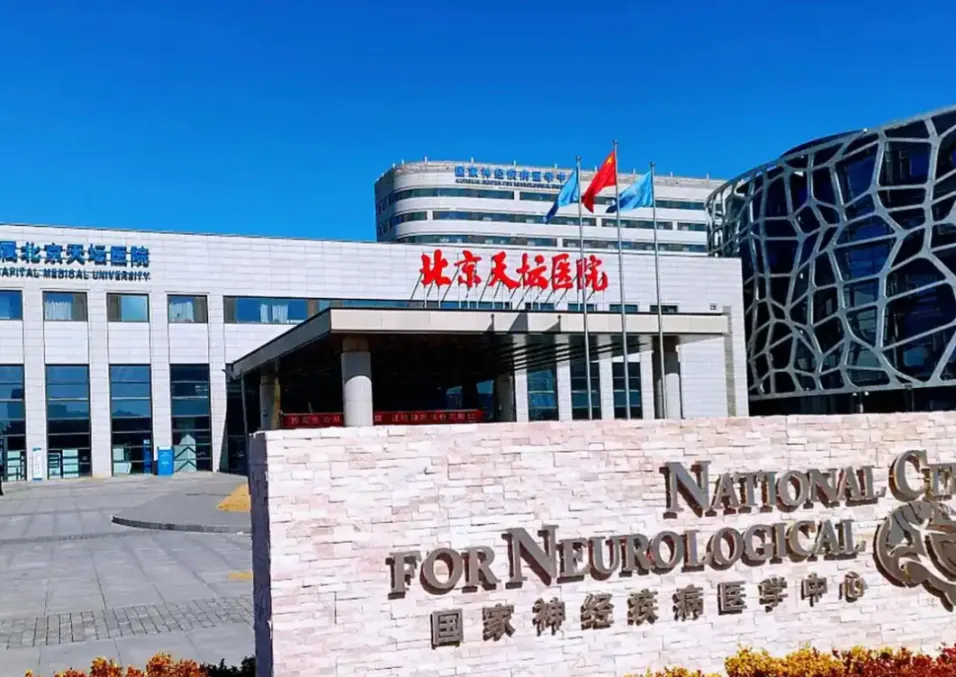
If there is one clear heavyweight in Chinese neurosurgery, it is Beijing Tiantan Hospital. Built on the legacy of Academician Wang Zhongcheng, often described as the father of Chinese neurosurgery, Tiantan has led the Fudan neurosurgery ranking for more than ten consecutive years.
Its Neurosurgery Center operates 19 clinical units and has close to 600 beds, covering nearly every major subspecialty: cerebrovascular disease, skull-base and brainstem tumors, pediatric neurosurgery, spinal disorders, and functional neurosurgery. In 2022, the hospital performed roughly 23,000 procedures, including neuro-interventions, with an elective surgery mortality rate of about 0.2%.
Best known for: - Giant skull-base and brainstem tumors - Complex aneurysms and AVMs - Glioma programs, including awake craniotomy - Moyamoya disease - Pediatric neurosurgery
Technology highlights: - Intraoperative MRI - Hybrid operating rooms - Neuronavigation - Intraoperative neuromonitoring
Best for: the most difficult, high-risk, or previously declined cases.
Practical note: demand is extremely high, especially for appointments with well-known senior professors.
2. Huashan Hospital, Fudan University — Shanghai
Overall score: 9.6 / 10
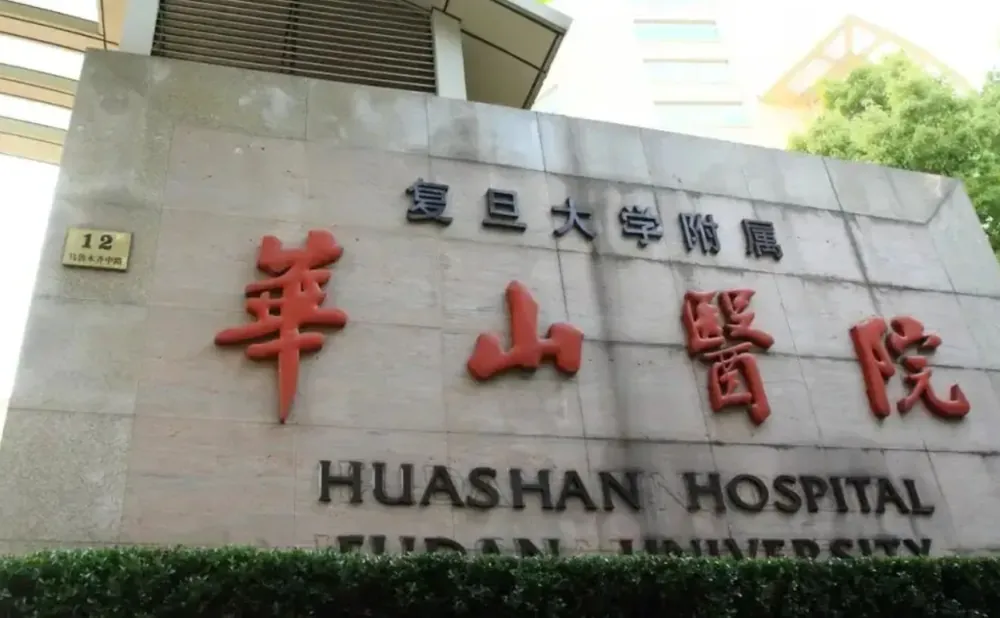
Often summed up by the phrase “Tiantan in the north, Huashan in the south,” Huashan Hospital is arguably China’s most internationally connected neurosurgery brand.
Established in 1952, the department is a main site of China’s National Center for Neurological Diseases. It now has more than 800 neurosurgical beds and performs over 20,000 operations a year, putting it among the largest neurosurgery centers globally. About 70% of its patients come from outside Shanghai.
Huashan also maintains long-term collaborations with institutions including the Mayo Clinic and Massachusetts General Hospital, and serves as an accredited WFNS/ACNS continuing-education center that trains foreign neurosurgeons annually.
Best known for: - Precision glioma surgery and comprehensive care - Skull-base and pituitary endoscopic surgery - Functional neurosurgery, including DBS for Parkinson’s disease - Epilepsy surgery - Hemifacial spasm and trigeminal neuralgia treatment - Cerebrovascular bypass
Best for: international patients looking for Shanghai’s infrastructure, an English-friendlier environment, and strong multidisciplinary care.
Practical note: its international and VIP outpatient pathways are among the easiest for foreign patients to access on this list.
3. West China Hospital, Sichuan University — Chengdu
Overall score: 9.2 / 10
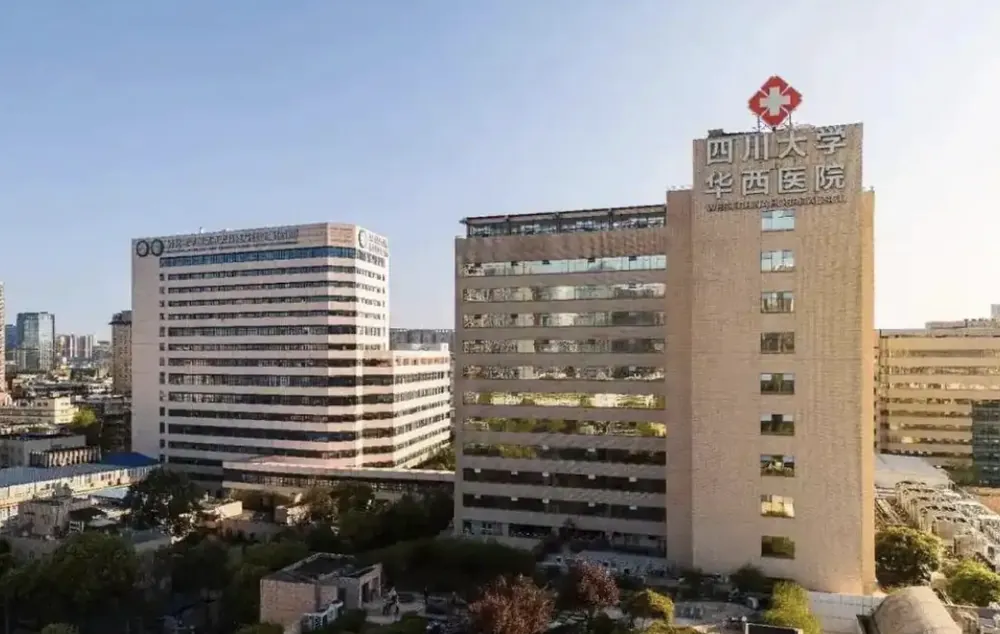
West China Hospital has been a top-three neurosurgery institution every year since 2011, and it remains the dominant force in western China.
Its neurosurgery department spans three campuses, with 440 open beds, including 70 neuro-ICU beds. The hospital performs nearly 14,000 craniotomies a year, more than 2,600 endovascular procedures, and around 2,000 stereotactic radiosurgery treatments.
Its biggest advantage is balance: there is no obvious weak subspecialty, and the department is backed by one of China’s strongest general-hospital platforms for ICU, cardiology, and respiratory support.
Best known for: - Complex cerebrovascular disease - Skull-base tumors - Spinal cord and spine surgery - Neurocritical care - Pediatric neurosurgery - Severe traumatic brain injury
Best for: elderly or medically complex patients who need strong multi-organ support, as well as patients based in western China.
Practical note: Chengdu is a major international city, but English-language hospital services are generally less developed than in Beijing or Shanghai.
4. Xuanwu Hospital, Capital Medical University — Beijing
Overall score: 9.0 / 10
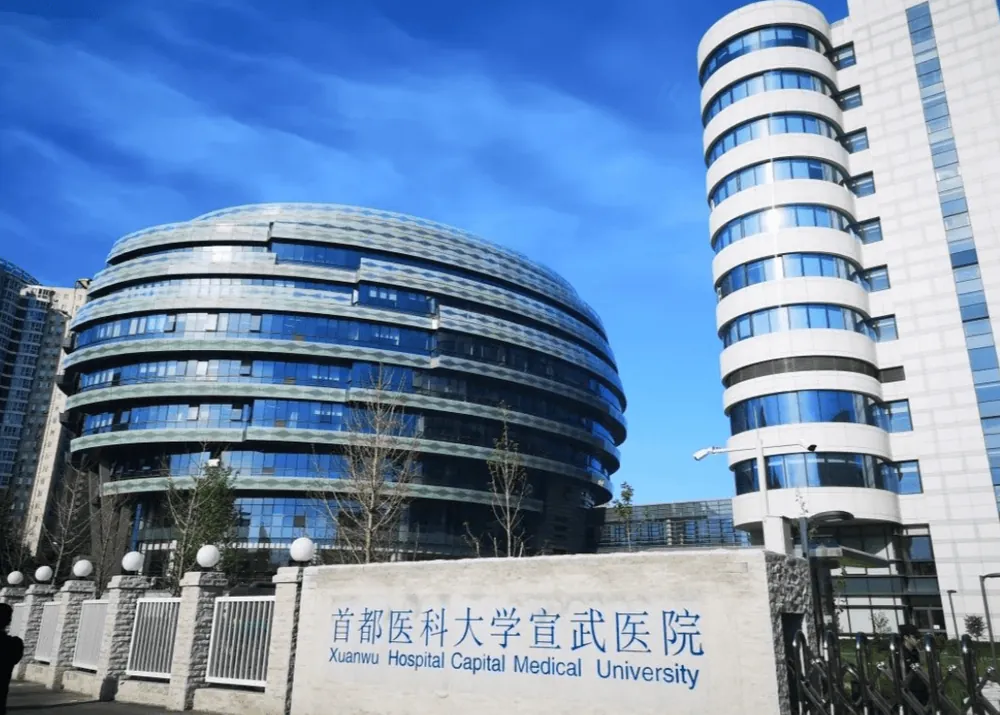
For cerebrovascular surgery and functional neurosurgery, Xuanwu Hospital stands out as one of China’s benchmark institutions.
Founded in 1958 by Professor Zhao Yicheng, Xuanwu is another core site of the National Center for Neurological Diseases. Publicly available figures describe a 345-bed neurosurgical base, 17 dedicated operating rooms including hybrid DSA and intraoperative MRI suites, six neuro-interventional cath labs, and more than 10,000 operations annually.
Best known for: - Ischemic cerebrovascular disease - Carotid endarterectomy and bypass surgery - Aneurysm and AVM treatment using both microsurgery and intervention - Epilepsy surgery - DBS for Parkinson’s disease - Trigeminal neuralgia and hemifacial spasm - Spinal disorders
Best for: stroke-related surgical disease, vascular neurosurgery, and movement disorder surgery.
Practical note: Xuanwu is a strong alternative to Tiantan for vascular cases, though it has a shorter track record with international patients than Huashan.
5. Second Affiliated Hospital, Zhejiang University School of Medicine — Hangzhou
Overall score: 8.6 / 10
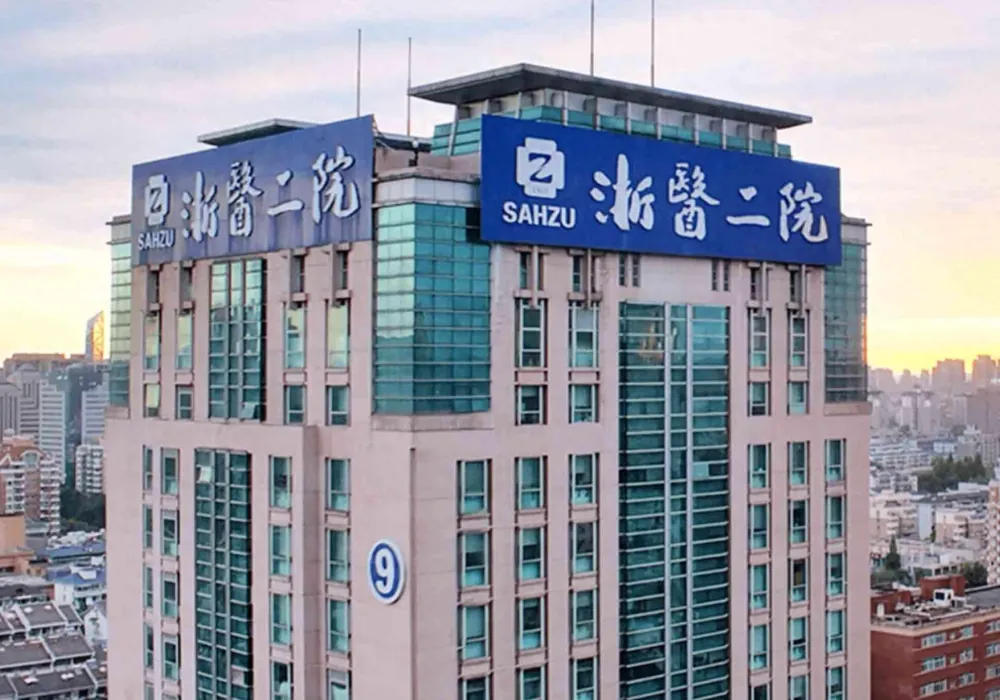
The Second Affiliated Hospital of Zhejiang University School of Medicine, often referred to as ZJU2, has been one of the fastest risers in China’s neurosurgery landscape.
It has become a major referral center in eastern China for complex cases, particularly in cerebrovascular disease, neurotrauma, high-cervical spinal cord tumors, spinal deformity, and precision surgery for eloquent-area brain tumors using awake mapping and multimodal navigation. The department is also active in frontier translational research, including brain-computer interface work.
Best known for: - Aneurysms and hemorrhagic stroke - Hybrid OR treatment combining open and endovascular surgery - Spinal cord and spine surgery - Neurotrauma - Individualized glioma therapy
Best for: spine and spinal cord cases, as well as cerebrovascular patients in the Yangtze River Delta.
6. Tianjin Medical University General Hospital — Tianjin
Overall score: 8.3 / 10
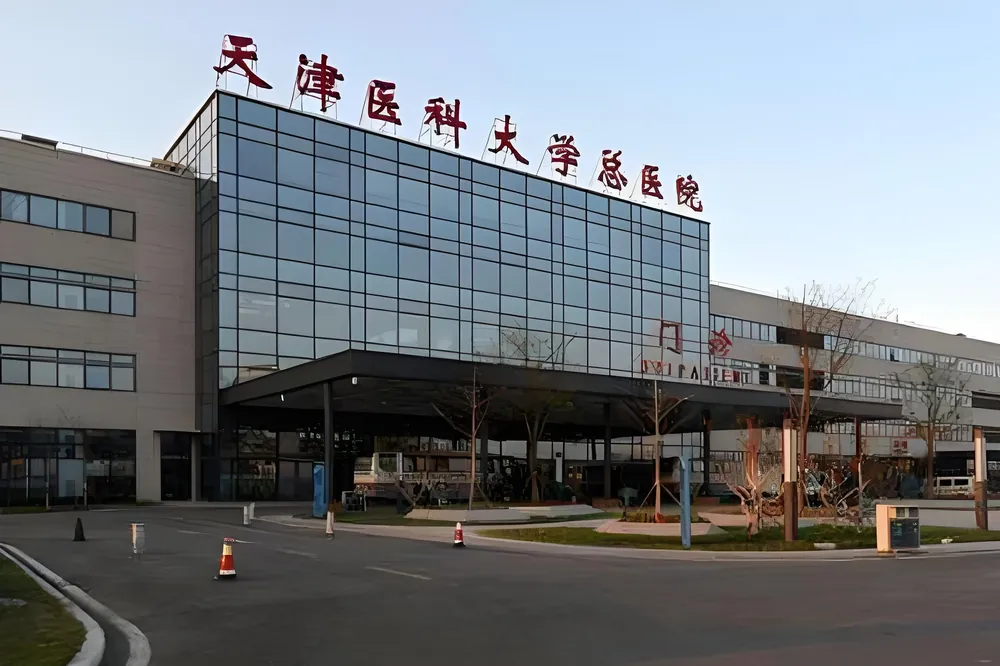
One of the historical birthplaces of Chinese neurosurgery, Tianjin Medical University General Hospital remains a dependable, high-volume center.
The department was founded by Professor Zhao Yicheng, who later established Xuanwu’s neurosurgery service. Today it is a national key clinical specialty with one of the larger neuro-ICUs in northern China outside Beijing.
Best known for: - Brain tumors - Cerebrovascular disease - Neurotrauma - Spinal disorders
Best for: patients in the Beijing-Tianjin-Hebei region seeking top-tier care with somewhat shorter queues than the best-known Beijing hospitals.
7. Chinese PLA General Hospital / 301 Hospital — Beijing
Overall score: 8.3 / 10
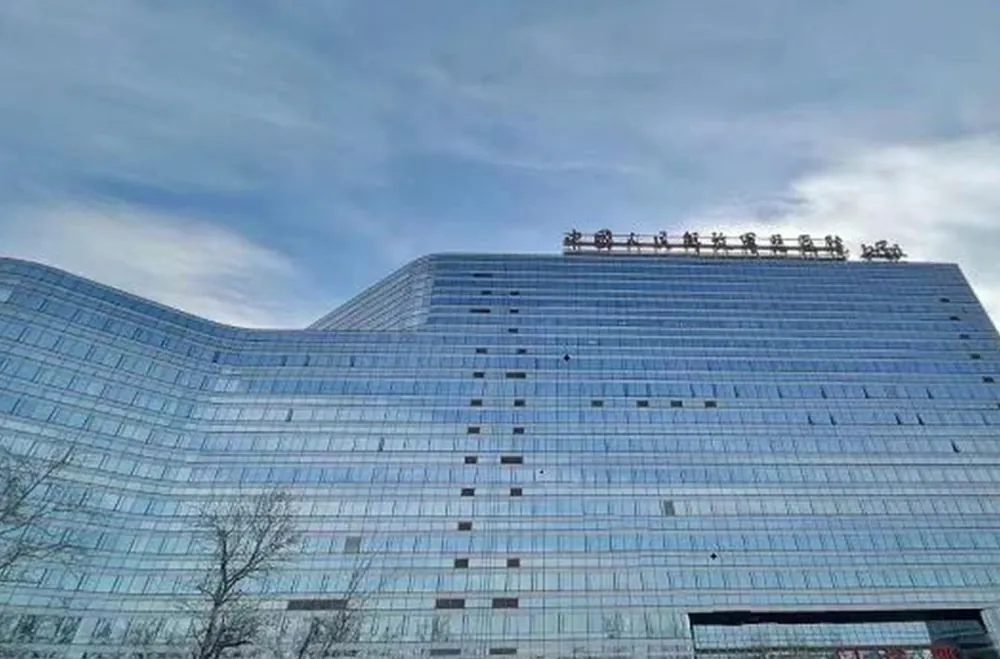
The PLA General Hospital, better known as 301 Hospital, is one of China’s most comprehensive medical institutions and has particular strength in handling elderly, high-risk, and medically complicated patients.
Its neurosurgery service spans the full specialty and is especially experienced in rare CNS tumors, complex cranio-spinal trauma, and spinal cord injury. Older published figures cite about 130 neurosurgical beds, including 23 ICU beds, and more than 4,000 operations a year. More recent official department-level figures are not publicly updated, so those numbers should be treated as indicative rather than current.
Best for: patients with multiple comorbidities, as well as complex trauma cases.
Practical note: because it is a military institution, foreign nationals may face more complicated administrative procedures. Eligibility and referral channels should be confirmed well before travel.
8. Tangdu Hospital, Air Force Medical University — Xi’an
Overall score: 8.0 / 10
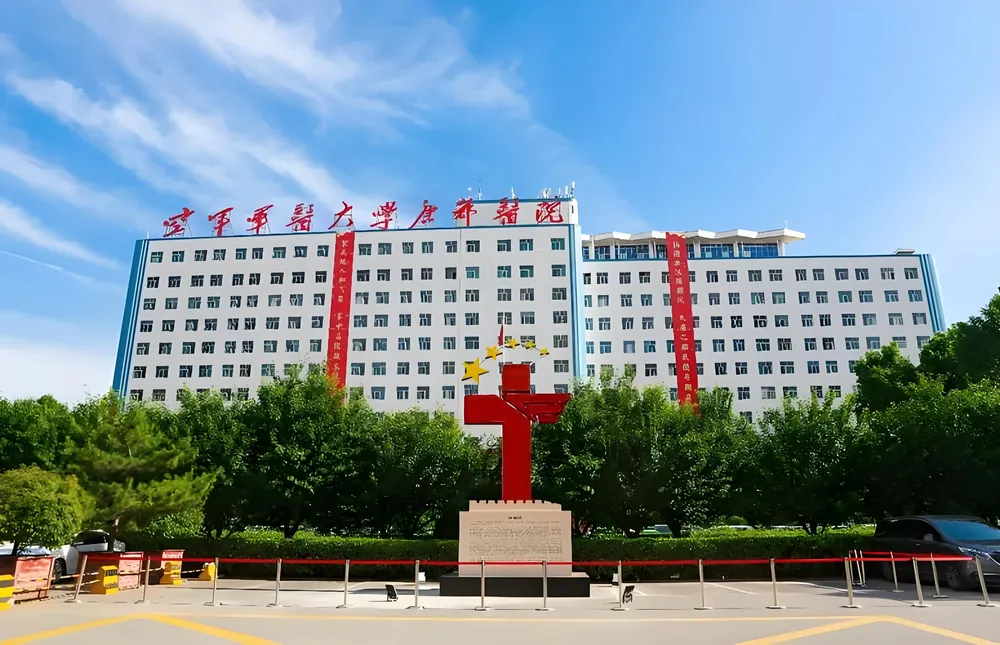
Tangdu Hospital is one of China’s earliest centers for stereotactic and functional neurosurgery and remains a leader in northwest China.
The hospital handles high volumes of DBS for Parkinson’s disease, surgery for drug-resistant epilepsy, trigeminal neuralgia, and hemifacial spasm. It also maintains solid programs in skull-base tumors, spinal deformity, and neurotrauma rehabilitation.
Best for: functional neurosurgical conditions in northwest China.
Practical note: as with 301 Hospital, international access may involve extra administrative steps because Tangdu is a military-affiliated hospital.
9. Xiangya Hospital, Central South University — Changsha
Overall score: 8.0 / 10
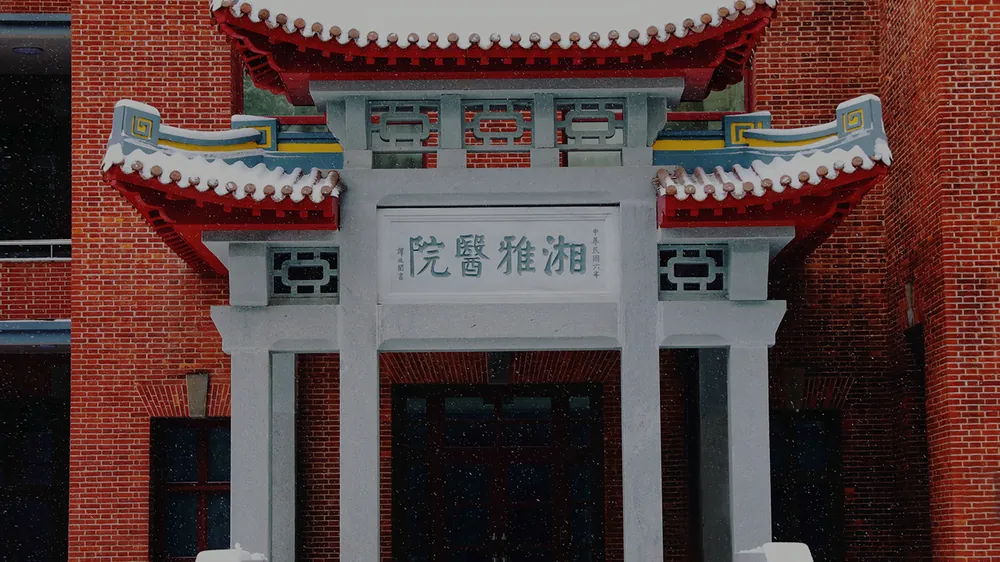
With roots dating back to 1906 and ties to the historic Xiangya medical tradition, Xiangya Hospital remains one of south-central China’s most important names in neurosurgery.
Its department covers the full specialty, including skull-base and brainstem tumors, cerebrovascular surgery, spinal cord tumors, functional neurosurgery, and pediatric neurosurgery. It is particularly noted for acoustic neuroma removal and facial nerve preservation, supported by hybrid operating rooms and a strong tumor MDT structure.
Best for: patients in Hunan, Hubei, Guangxi, and Guizhou seeking national-level care closer to home.
10. China-Japan Friendship Hospital — Beijing
Overall score: 7.6 / 10
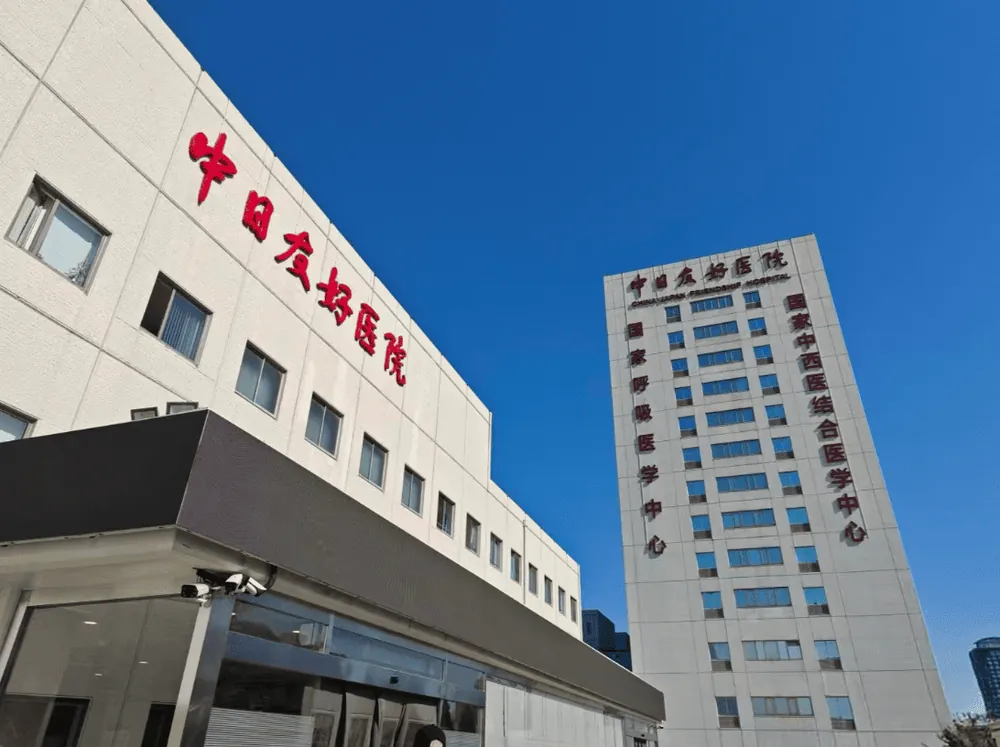
Smaller than many of the hospitals above, China-Japan Friendship Hospital earns its place through a highly focused area of excellence: micro-invasive neurosurgery for cranial nerve disorders.
It is widely regarded as one of China’s leading centers for microvascular decompression (MVD), especially for trigeminal neuralgia, hemifacial spasm, and glossopharyngeal neuralgia. The hospital also has strengths in functional neurosurgery, skull-base surgery, spasticity surgery, and neuromodulation.
Best for: trigeminal neuralgia, hemifacial spasm, and related cranial nerve conditions.
Score comparison
The following editorial scores are based on five dimensions: specialty strength, scale and complex-case capacity, subspecialty breadth, research and academics, and international-patient accessibility.
| Hospital | City | Specialty strength | Scale & complex cases | Subspecialty breadth | Research & academics | Intl-patient accessibility | Overall |
|---|---|---|---|---|---|---|---|
| Beijing Tiantan Hospital | Beijing | 10 | 10 | 10 | 9.5 | 8.5 | 9.8 |
| Huashan Hospital | Shanghai | 9.7 | 9.5 | 9.5 | 9.5 | 9.5 | 9.6 |
| West China Hospital | Chengdu | 9.2 | 9.5 | 9.5 | 9.0 | 7.5 | 9.2 |
| Xuanwu Hospital | Beijing | 9.0 | 8.5 | 9.0 | 9.0 | 8.0 | 9.0 |
| ZJU Second Affiliated | Hangzhou | 8.5 | 8.5 | 8.5 | 8.5 | 8.0 | 8.6 |
| Tianjin Medical Univ. General | Tianjin | 8.3 | 8.0 | 8.5 | 8.0 | 7.5 | 8.3 |
| PLA General Hospital (301) | Beijing | 8.3 | 8.5 | 8.5 | 8.5 | 6.5 | 8.3 |
| Tangdu Hospital | Xi’an | 8.0 | 7.5 | 8.0 | 8.0 | 6.5 | 8.0 |
| Xiangya Hospital | Changsha | 8.0 | 8.0 | 8.5 | 8.0 | 7.0 | 8.0 |
| China-Japan Friendship Hospital | Beijing | 7.8 | 7.0 | 7.0 | 7.5 | 8.0 | 7.6 |
Scores are on a 10-point scale. Specialty strength is anchored to the Fudan reputation score; the other dimensions are editorial assessments based on official hospital data and the reviewed literature. Overall weighting: specialty strength 35%, scale/complex-case capacity 25%, subspecialty breadth 20%, research 10%, international-patient accessibility 10%.
Which hospital is best for which condition?
Here’s the short version:
- Complex brain tumors, including glioma, skull-base, and brainstem lesions: Tiantan, Huashan, West China
- Aneurysms, AVMs, and hemorrhagic or ischemic cerebrovascular disease: Tiantan, Xuanwu, West China, ZJU2
- Parkinson’s disease, DBS, epilepsy surgery, and movement disorders: Huashan, Xuanwu, Tangdu, Tiantan
- Trigeminal neuralgia and hemifacial spasm: China-Japan Friendship Hospital, Xuanwu, Tangdu
- Spinal cord tumors and complex spine cases: West China, ZJU2, Xuanwu, 301 Hospital, Xiangya
- Elderly patients or those with multiple comorbidities: West China, 301 Hospital, Huashan
- Neurotrauma and neurocritical care: West China, 301 Hospital, Tianjin Medical University General
Practical advice for international patients
Bring complete records
Chinese hospitals usually need the original imaging, not just the written report. Patients should bring:
- MRI or CT DICOM files, on disc or via cloud link
- Pathology slides and pathology reports
- Operative notes
- A concise English medical summary
Book through official channels
Use hospital websites, official WeChat accounts, or recognized appointment platforms such as 114 or hospital booking systems. In many top public hospitals, special needs clinics (特需门诊) cost more but are often much easier to secure and usually provide longer consultations.
Plan for language support
Outside dedicated international clinics, English support is not guaranteed. A medical interpreter or licensed medical escort service can be important for registration, consent, inpatient communication, and discharge planning.
Expect upfront payment
Most public hospitals in China require payment before treatment. International patients should confirm whether their insurer supports direct billing or be prepared to collect itemized invoices and translated records for reimbursement.
Check visa requirements early
For planned surgery, patients should contact the hospital’s international office about paperwork that may support a medical visa application. Follow-up and remote consultation arrangements should also be discussed before returning home.
Be careful with military hospitals
For 301 Hospital and Tangdu Hospital, foreign nationals may face extra administrative requirements. That should be verified before travel.
Get a second opinion for high-risk cases
For rare diagnoses or major surgery, remote consultations with two top centers — for example, Tiantan and Huashan — can be a smart use of time and money before committing to international travel.
Bottom line
At the top end, China’s neurosurgery ecosystem is genuinely world-class. Tiantan and Huashan form the country’s clearest top tier, with the deepest benches, the largest volumes, and the broadest subspecialty coverage. West China and Xuanwu complete a strong first echelon.
Behind them, ZJU2, Tianjin Medical University General, 301 Hospital, Tangdu, Xiangya, and China-Japan Friendship Hospital each offer nationally leading care in specific areas — and in some cases, shorter waiting times.
For international patients, the best choice is usually not the hospital with the flashiest headline ranking. It is the hospital, and ideally the surgeon, with the strongest experience in your exact diagnosis.
This article is for general information only and is not medical advice. Rankings and figures reflect publicly available sources as of mid-2026. Always confirm current arrangements directly with the hospital.