All patient guidesSemua panduan pasien返回全部指南
July 20, 2026 Patient guidePanduan pasien就医指南

China’s 10 Best Hospitals for Neurology 2026: A Practical Guide for International PatientsChina’s 10 Best Hospitals for Neurology 2026: A Practical Guide for International Patients2026年中国10大神经内科最佳医院:国际患者实用指南

China has no shortage of major hospitals, but for international patients seeking neurological care, the real challenge is knowing which institutions are actually best for a specific condition.China has no shortage of major hospitals, but for international patients seeking neurological care, the real challenge is knowing which institutions are actually best for a specific condition.中国并不缺大型医院,但对于寻求神经科诊疗的国际患者来说,真正的挑战在于:究竟哪些机构才真正适合某一种特定疾病。

China has no shortage of major hospitals, but for international patients seeking neurological care, the real challenge is knowing which institutions are actually best for a specific condition.

If you’re navigating stroke, Parkinson’s disease, epilepsy, multiple sclerosis, dementia, or a neurological condition that still hasn’t been diagnosed, rank alone won’t tell the full story. This guide looks at the 10 strongest neurology departments in mainland China, what each one genuinely excels at, and how they compare against the country’s most authoritative specialty benchmark.

How these scores work

Each hospital below carries a composite score out of 10. That score is anchored to its Fudan specialty-reputation result and then adjusted for subspecialty depth, national-level designations, and practical accessibility for international patients.

These scores are an editorial assessment for orientation only. They are not an official ranking.

The top 10 neurology hospitals in China

1. Peking Union Medical College Hospital (PUMCH) — Beijing — 9.6/10
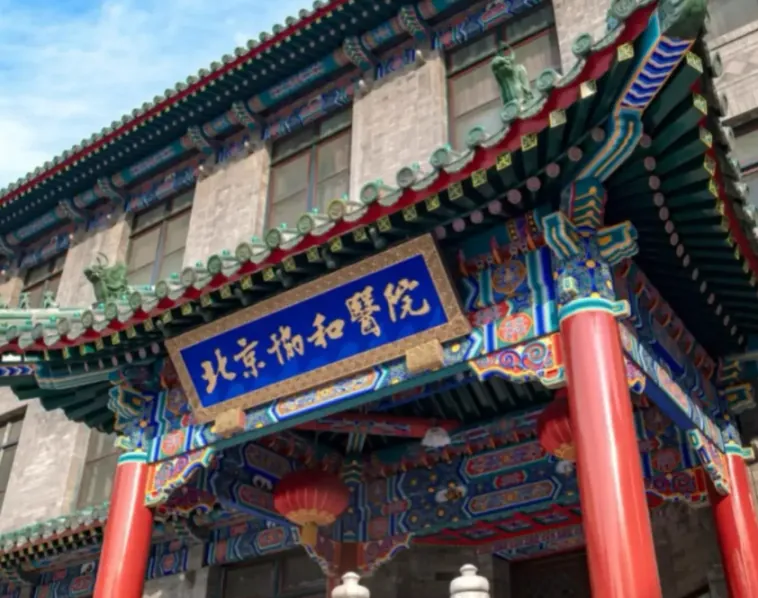
Peking Union Medical College Hospital

Signature strengths: undiagnosed and rare diseases, neuroimmune disorders, neuromuscular disease, complex multi-system cases.

PUMCH’s neurology department, founded in 1921, has held the No. 1 position in the Fudan neurology reputation ranking for many consecutive years. Its defining advantage isn’t a single disease area so much as diagnostic depth. This is the national referral center of last resort for difficult cases, and the lead institution of China’s national rare-disease diagnosis and treatment network.

If a patient has already seen multiple specialists abroad and still doesn’t have a clear answer, this is often where Chinese physicians send the hardest cases. PUMCH also has long experience working with foreign patients and offers dedicated international medical services.

Best for: mystery illnesses, suspected rare or genetic neurological disease, autoimmune encephalitis, myasthenia gravis, and cases requiring true multidisciplinary review.

2. Beijing Tiantan Hospital, Capital Medical University — Beijing — 9.5/10
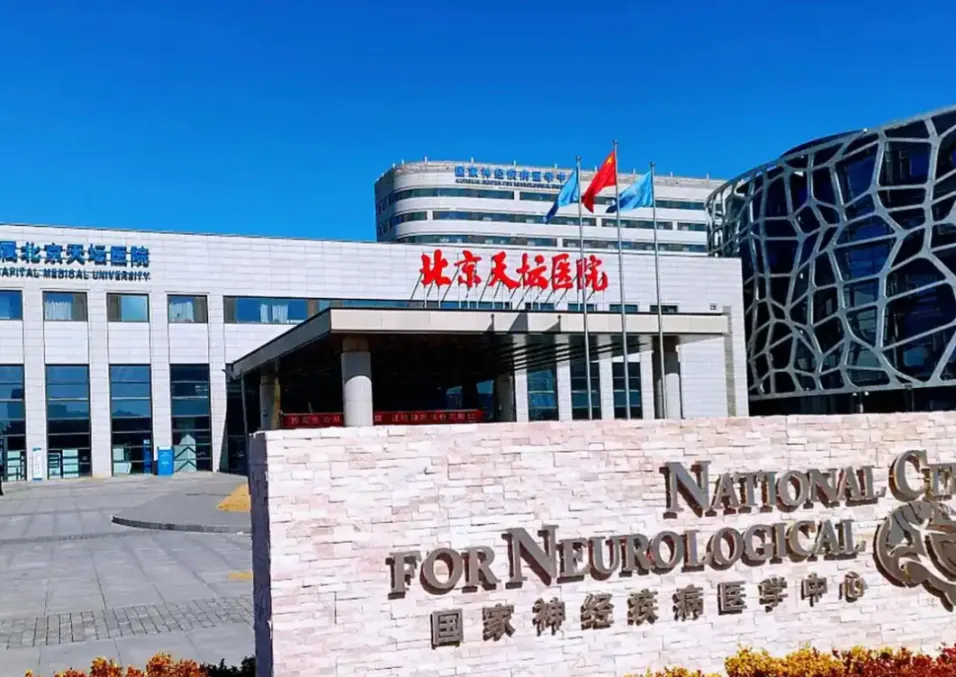
Beijing Tiantan Hospital

Signature strengths: stroke and cerebrovascular disease, neuro-intervention, neurocritical care, neuroimaging.

Tiantan is China’s flagship hospital for clinical neuroscience. It hosts the National Center for Neurological Diseases in Beijing jointly with Xuanwu, the National Clinical Research Center for Neurological Diseases, and a WHO collaborating center for neuroscience training.

Its neurology department is especially built around cerebrovascular disease, including thrombolysis and thrombectomy pathways, stroke prevention, and research led by internationally published teams. Its stroke trial output is among the most cited in the world.

Best for: ischemic and hemorrhagic stroke, TIA, intracranial stenosis, post-aneurysm management, and neurocritical illness.

3. Huashan Hospital, Fudan University — Shanghai — 9.2/10
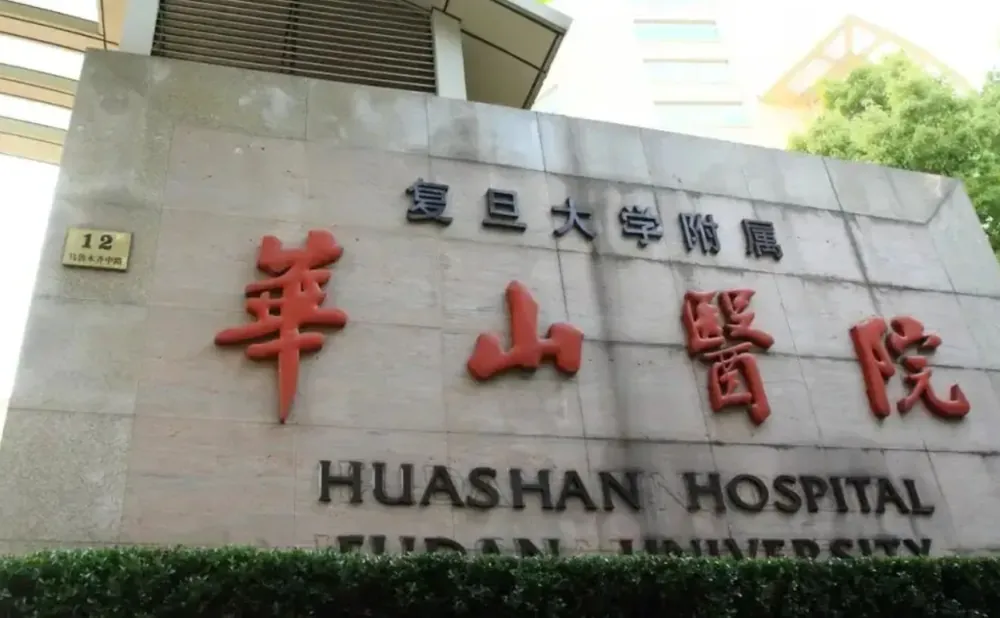
Huashan Hospital

Signature strengths: neuroimmune disease, including MS, NMOSD, autoimmune encephalitis, and myasthenia gravis; epilepsy; movement disorders; peripheral neuropathy.

Huashan’s neurology department is more than 70 years old and was one of China’s first doctoral programs in the field. It is the lead institution of the National Center for Neurological Diseases and stands out as the strongest center in southern China.

It is also a major national research hub for neuroimmunology, with deep laboratory support for antibody testing and molecular diagnosis. Among Shanghai hospitals, it is one of the most accustomed to international patients.

Best for: multiple sclerosis and related demyelinating disease, autoimmune encephalitis, myasthenia gravis, epilepsy work-up, and Parkinson’s disease management.

4. Xuanwu Hospital, Capital Medical University — Beijing — 9.1/10
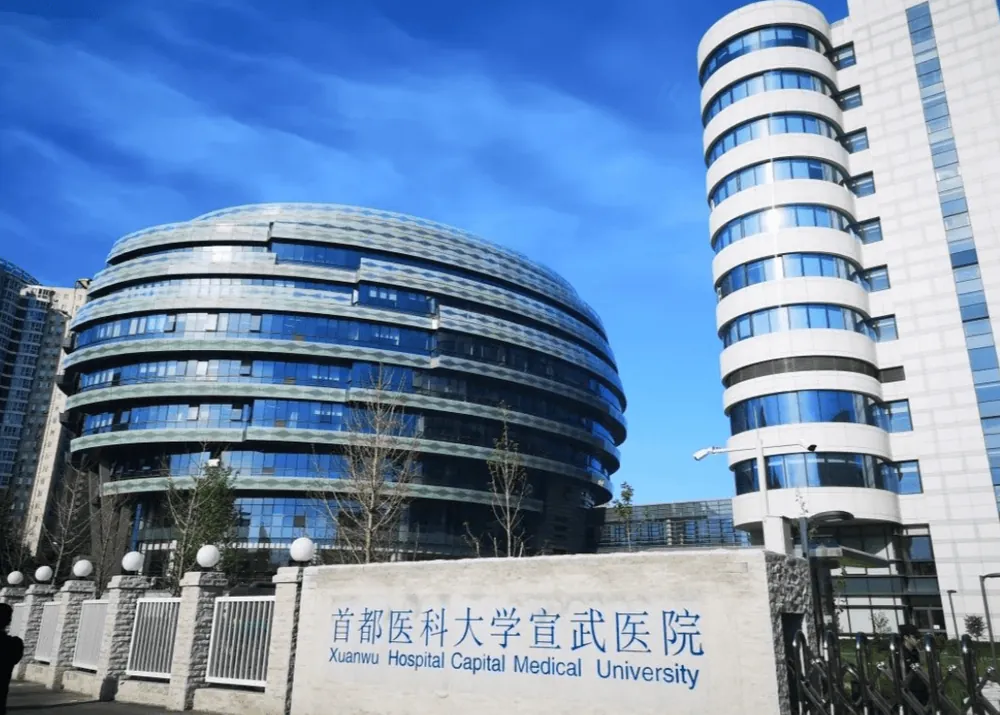
Xuanwu Hospital, Capital Medical University

Signature strengths: Parkinson’s disease and movement disorders, Alzheimer’s disease and cognitive disorders, geriatric neurology, stroke.

Xuanwu is one of the birthplaces of Chinese neuroscience and a joint lead institution of the National Center for Neurological Diseases in Beijing. It also hosts the National Clinical Research Center for Geriatric Disorders.

Its memory clinics and movement-disorder programs are among the most established in China, making it a natural first choice for older patients dealing with overlapping neurological and medical issues.

Best for: Parkinson’s disease, tremor and other movement disorders, Alzheimer’s and other dementias, and stroke in elderly patients.

5. West China Hospital, Sichuan University — Chengdu — 8.8/10
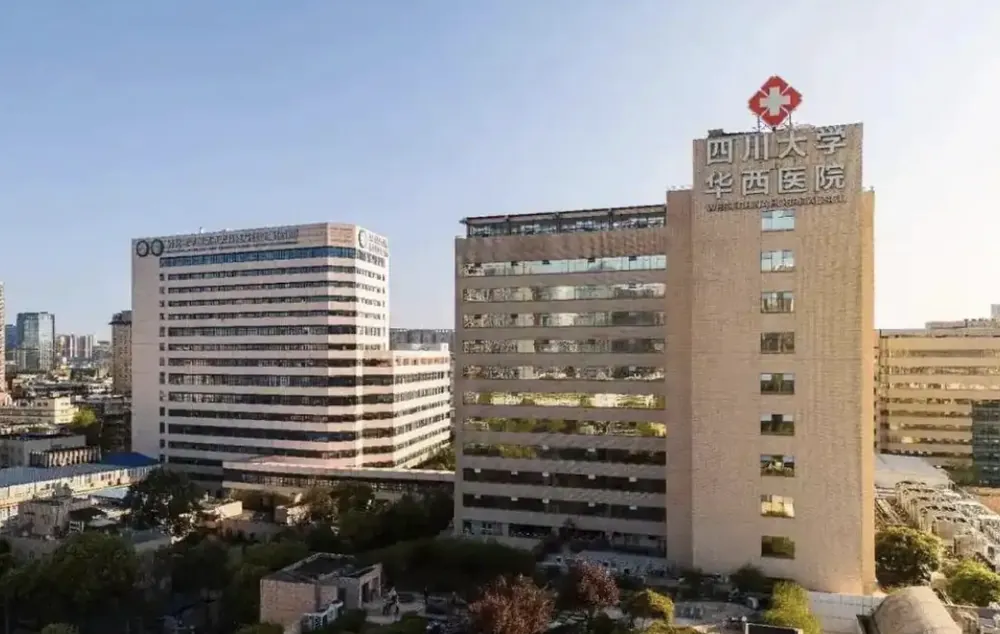
West China Hospital, Sichuan University

Signature strengths: comprehensive neurology for western China, epilepsy, neurocritical care, neurogenetics.

West China is the undisputed medical center of western China, effectively offering the highest level of care available to a population of several hundred million across Sichuan, Chongqing, Yunnan, Guizhou, and Tibet.

Its neurology department covers the full range of subspecialties and includes a large neuro-ICU. The hospital is particularly strong in epilepsy, including electrophysiology and refractory-epilepsy programs, as well as cerebrovascular intervention and genetic diagnosis of rare neurological disease in the region.

Best for: patients based in western or southwestern China, epilepsy, and severe acute neurological illness requiring ICU-level care.

6. The First Affiliated Hospital of Sun Yat-sen University — Guangzhou — 8.5/10
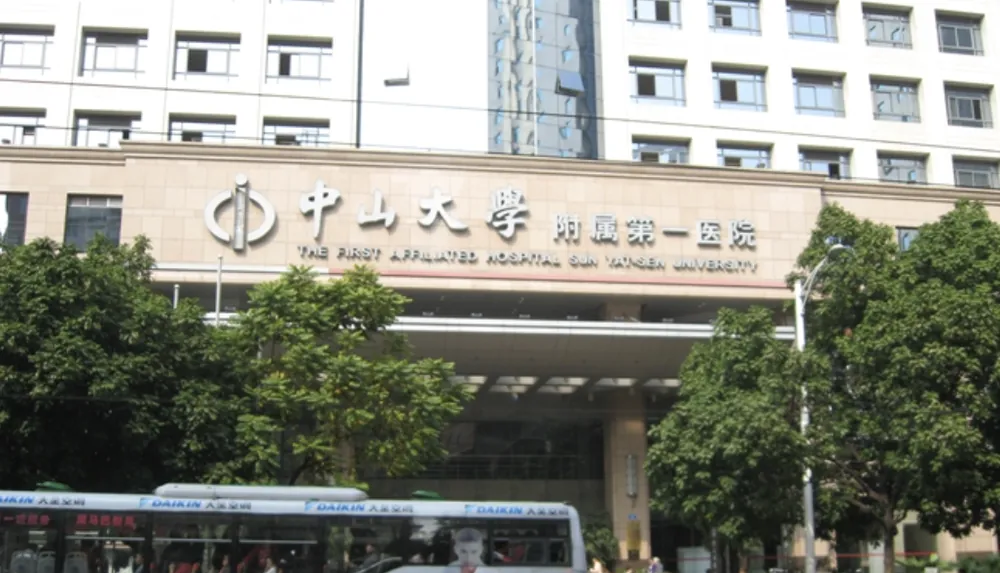
The First Affiliated Hospital of Sun Yat-sen University

Signature strengths: stroke, neuroimmune and neuromuscular disease, CNS infection, peripheral neuropathy.

This is the leading neurology center of southern China, with a national Level III stroke center and long-standing strengths in myasthenia gravis, Guillain–Barré syndrome, encephalitis, and peripheral nerve disease.

Its location in Guangzhou, along with a long history of serving patients from Southeast Asia, makes it one of the more internationally oriented departments on this list.

Best for: patients based in Guangdong, Hong Kong, Macau, and Southeast Asia; stroke; myasthenia gravis; and CNS infections.

7. Ruijin Hospital, Shanghai Jiao Tong University School of Medicine — Shanghai — 8.4/10
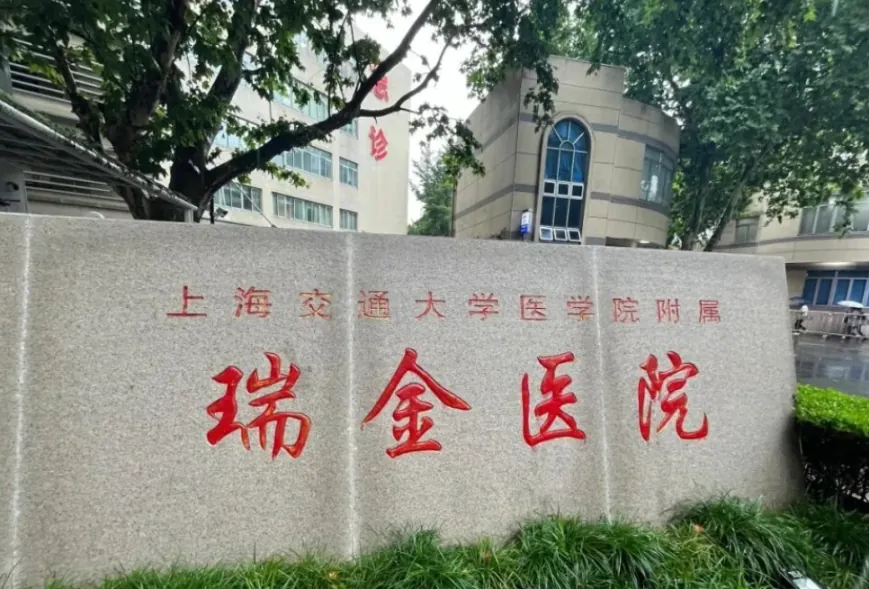
Ruijin Hospital

Signature strengths: Parkinson’s disease and movement disorders, neurodegenerative disease, neurogenetics.

Ruijin’s neurology department is nationally known for movement disorders, built over decades by one of China’s leading Parkinson’s teams. Its model centers on a one-stop multidisciplinary clinic that covers early diagnosis, medication optimization, and deep-brain stimulation evaluation and programming.

The department is also strong in dementia, hereditary neurological disease, and botulinum-toxin treatment for dystonia and spasticity.

Best for: Parkinson’s disease at any stage, especially DBS assessment; essential tremor; dystonia; and early cognitive decline.

8. Xiangya Hospital, Central South University — Changsha — 8.3/10
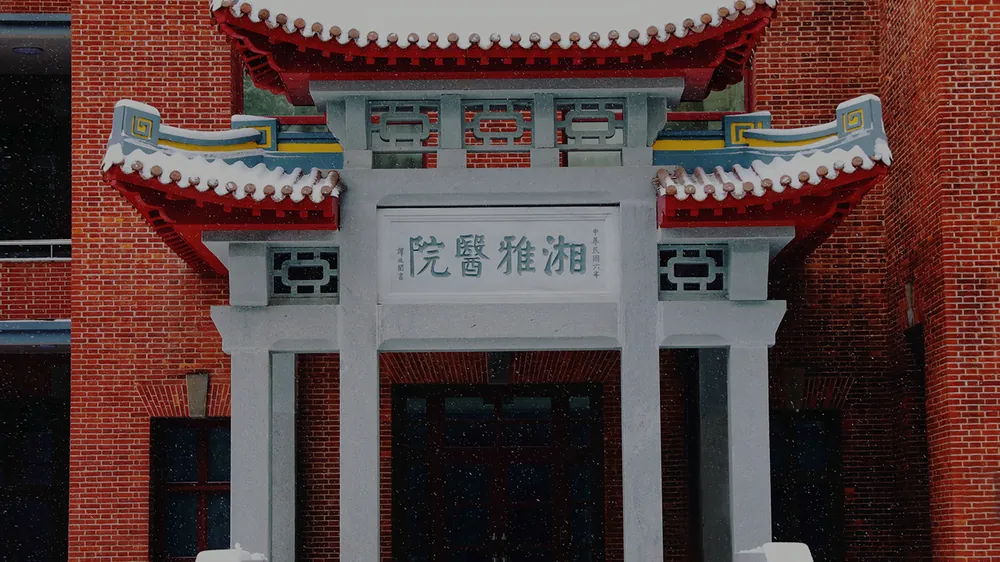
Xiangya Hospital, Central South University

Signature strengths: neurogenetics, epilepsy, neuroimmune and neuromuscular disease.

One of China’s oldest neurology departments, Xiangya was founded in 1934 by Prof. Huang Youqi, a founder of Chinese neurology. The hospital combines deep clinical heritage with internationally noted research on the genetics of hereditary ataxias, Huntington’s disease, and other inherited neurological disorders.

A note on fact-checking: some articles attribute this founding to other names, but 1934 under Huang Youqi is the version consistent with the hospital’s own records.

Today, Xiangya serves as the neurological referral hub for central China.

Best for: suspected hereditary neurological disease, epilepsy, and patients based in Hunan and neighboring provinces in central China.

9. The First Affiliated Hospital of Fujian Medical University — Fuzhou — 8.1/10

Signature strengths: neuromuscular disease, peripheral neuropathy, rare and hereditary neurological disease, neurophysiology.

This is one of the quieter climbers in Chinese neurology. The department has steadily moved into the Fudan top ten on the strength of its neuromuscular and neurogenetic programs, along with its provincial rare-disease diagnosis capacity.

For patients in Fujian and along the southeast coast, it offers top-ten-level care without the same bottlenecks common in Beijing and Shanghai.

Best for: muscle disease, peripheral neuropathy, suspected rare genetic neurological conditions, and patients based in Fujian and the southeast.

10. Chinese PLA General Hospital (301 Hospital) — Beijing — 8.0/10
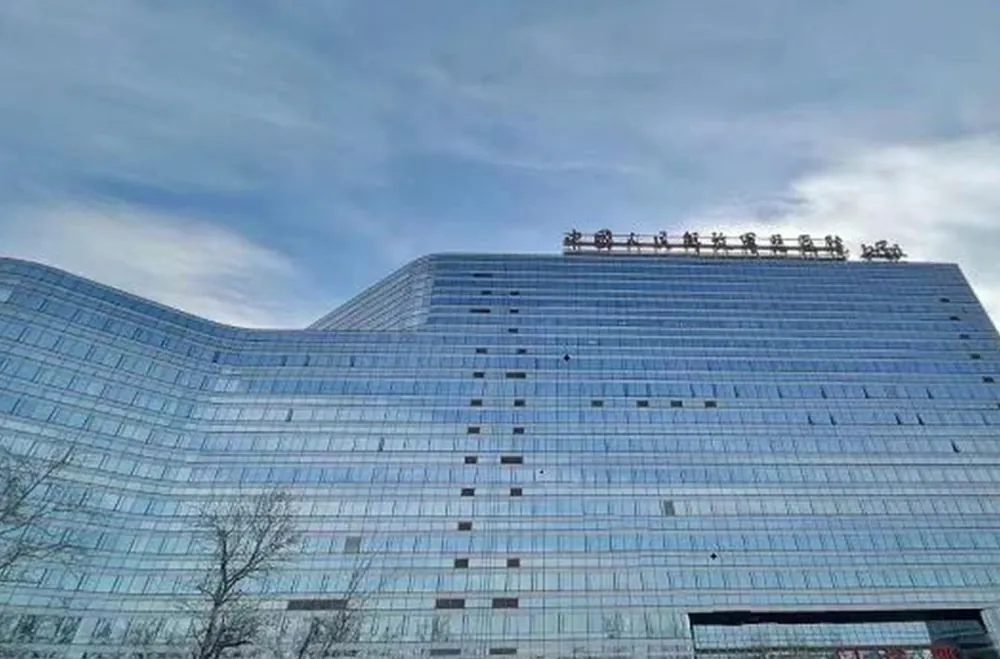
Chinese PLA General Hospital (301 Hospital)

Signature strengths: neurocritical care, geriatric neurology, neuroimmune disease, cerebrovascular disease, neuro-rehabilitation.

The largest hospital in China’s military medical system, the 301 Hospital has a consolidated Neurology Department, or Neurology Medical Division, built from several merged centers.

Its biggest strengths are scale, critical-care capability, and geriatric neurological expertise, supported by substantial national research programs. International patients should confirm current registration policies before visiting, since procedures at military-system hospitals can differ from those at civilian institutions.

Best for: complex elderly patients with multiple conditions, neurocritical illness, and patients already in Beijing seeking a top-ten alternative with more appointment capacity.

Scorecard at a glance

  • 1. Peking Union Medical College Hospital — Beijing: Undiagnosed or rare disease, neuroimmune disease, multidisciplinary review — 9.6/10
  • 2. Beijing Tiantan Hospital, CMU — Beijing: Stroke, cerebrovascular disease, neurocritical care — 9.5/10
  • 3. Huashan Hospital, Fudan University — Shanghai: MS and neuroimmune disease, epilepsy, movement disorders — 9.2/10
  • 4. Xuanwu Hospital, CMU — Beijing: Parkinson’s, dementia, geriatric neurology — 9.1/10
  • 5. West China Hospital, Sichuan University — Chengdu: Comprehensive neurology, epilepsy, western China referral hub — 8.8/10
  • 6. The First Affiliated Hospital of Sun Yat-sen University — Guangzhou: Stroke, myasthenia gravis, CNS infection — 8.5/10
  • 7. Ruijin Hospital, Shanghai Jiao Tong University School of Medicine — Shanghai: Parkinson’s, DBS evaluation, movement disorders — 8.4/10
  • 8. Xiangya Hospital, Central South University — Changsha: Neurogenetics, epilepsy — 8.3/10
  • 9. The First Affiliated Hospital of Fujian Medical University — Fuzhou: Neuromuscular disease, rare genetic disease — 8.1/10
  • 10. Chinese PLA General Hospital (301) — Beijing: Neurocritical care, geriatric neurology — 8.0/10

Choose by condition, not by rank

The best hospital depends heavily on what you’re treating.

  • Acute stroke or cerebrovascular disease: Tiantan, Xuanwu, West China. But in a true emergency, go to the nearest certified stroke center immediately. Time matters more than rank.
  • Parkinson’s and movement disorders: Xuanwu, Ruijin, including DBS evaluation, and Huashan.
  • Alzheimer’s and cognitive disorders: Xuanwu and PUMCH.
  • Epilepsy: Huashan, West China, Xiangya.
  • MS, NMOSD, autoimmune encephalitis, myasthenia gravis: Huashan, PUMCH, Sun Yat-sen First.
  • Rare, hereditary, or undiagnosed disease: PUMCH, Xiangya, Fujian Medical University First.
  • Regional access: West China for the southwest, Xiangya for central China, Sun Yat-sen First for the south, and Fujian First for the southeast.

Honorable mentions

Several hospitals landed just outside the top ten in Fudan nominations and remain strong regional options:

  • The Second Affiliated Hospital of Zhejiang University in Hangzhou, particularly for stroke and neuro-intervention
  • Tongji Hospital of Huazhong University of Science and Technology in Wuhan, especially for neuromuscular and pediatric neurology
  • The First Hospital of Jilin University in Changchun, particularly for stroke and care in northeast China

Practical notes for international patients

All ten institutions are public, tertiary Grade-A, or 三甲, hospitals, which is China’s highest hospital grade. All treat foreign passport holders, and patients should bring a passport for registration.

Booking

Appointments are generally made through each hospital’s official app or WeChat account, usually opening one to seven days in advance. Top specialists tend to book out quickly. PUMCH and several Shanghai hospitals also run international or VIP clinics with English-capable staff, though fees are higher.

Language

Outside international clinics, English availability varies widely. Patients should bring translated medical records, including imaging on CD or DICOM, prior reports, and medication lists. For complex consultations, professional medical interpretation or a licensed accompaniment service is advisable.

Payment

International insurance is accepted mainly in international clinics. Standard outpatient care is usually paid out of pocket and remains inexpensive by Western standards.

Emergencies

In an emergency, call 120 and go to the nearest stroke-capable emergency department. Do not attempt to travel across the country in the middle of an acute event.

Methodology and disclaimer

Hospital selection follows the 2023 Fudan University Hospital Management Institute specialty reputation ranking for neurology, supplemented by National Health Commission designations. The scores here are an independent editorial assessment for orientation only and are not an official ranking.

Hospital capabilities can change, so patients should verify subspecialty clinics and appointment policies through each hospital’s official channels before travel.

This article is general information, not medical advice.

China has no shortage of major hospitals, but for international patients seeking neurological care, the real challenge is knowing which institutions are actually best for a specific condition.

If you’re navigating stroke, Parkinson’s disease, epilepsy, multiple sclerosis, dementia, or a neurological condition that still hasn’t been diagnosed, rank alone won’t tell the full story. This guide looks at the 10 strongest neurology departments in mainland China, what each one genuinely excels at, and how they compare against the country’s most authoritative specialty benchmark.

How these scores work

Each hospital below carries a composite score out of 10. That score is anchored to its Fudan specialty-reputation result and then adjusted for subspecialty depth, national-level designations, and practical accessibility for international patients.

These scores are an editorial assessment for orientation only. They are not an official ranking.

The top 10 neurology hospitals in China

1. Peking Union Medical College Hospital (PUMCH) — Beijing — 9.6/10

Peking Union Medical College Hospital

Signature strengths: undiagnosed and rare diseases, neuroimmune disorders, neuromuscular disease, complex multi-system cases.

PUMCH’s neurology department, founded in 1921, has held the No. 1 position in the Fudan neurology reputation ranking for many consecutive years. Its defining advantage isn’t a single disease area so much as diagnostic depth. This is the national referral center of last resort for difficult cases, and the lead institution of China’s national rare-disease diagnosis and treatment network.

If a patient has already seen multiple specialists abroad and still doesn’t have a clear answer, this is often where Chinese physicians send the hardest cases. PUMCH also has long experience working with foreign patients and offers dedicated international medical services.

Best for: mystery illnesses, suspected rare or genetic neurological disease, autoimmune encephalitis, myasthenia gravis, and cases requiring true multidisciplinary review.

2. Beijing Tiantan Hospital, Capital Medical University — Beijing — 9.5/10

Beijing Tiantan Hospital

Signature strengths: stroke and cerebrovascular disease, neuro-intervention, neurocritical care, neuroimaging.

Tiantan is China’s flagship hospital for clinical neuroscience. It hosts the National Center for Neurological Diseases in Beijing jointly with Xuanwu, the National Clinical Research Center for Neurological Diseases, and a WHO collaborating center for neuroscience training.

Its neurology department is especially built around cerebrovascular disease, including thrombolysis and thrombectomy pathways, stroke prevention, and research led by internationally published teams. Its stroke trial output is among the most cited in the world.

Best for: ischemic and hemorrhagic stroke, TIA, intracranial stenosis, post-aneurysm management, and neurocritical illness.

3. Huashan Hospital, Fudan University — Shanghai — 9.2/10

Huashan Hospital

Signature strengths: neuroimmune disease, including MS, NMOSD, autoimmune encephalitis, and myasthenia gravis; epilepsy; movement disorders; peripheral neuropathy.

Huashan’s neurology department is more than 70 years old and was one of China’s first doctoral programs in the field. It is the lead institution of the National Center for Neurological Diseases and stands out as the strongest center in southern China.

It is also a major national research hub for neuroimmunology, with deep laboratory support for antibody testing and molecular diagnosis. Among Shanghai hospitals, it is one of the most accustomed to international patients.

Best for: multiple sclerosis and related demyelinating disease, autoimmune encephalitis, myasthenia gravis, epilepsy work-up, and Parkinson’s disease management.

4. Xuanwu Hospital, Capital Medical University — Beijing — 9.1/10

Xuanwu Hospital, Capital Medical University

Signature strengths: Parkinson’s disease and movement disorders, Alzheimer’s disease and cognitive disorders, geriatric neurology, stroke.

Xuanwu is one of the birthplaces of Chinese neuroscience and a joint lead institution of the National Center for Neurological Diseases in Beijing. It also hosts the National Clinical Research Center for Geriatric Disorders.

Its memory clinics and movement-disorder programs are among the most established in China, making it a natural first choice for older patients dealing with overlapping neurological and medical issues.

Best for: Parkinson’s disease, tremor and other movement disorders, Alzheimer’s and other dementias, and stroke in elderly patients.

5. West China Hospital, Sichuan University — Chengdu — 8.8/10

West China Hospital, Sichuan University

Signature strengths: comprehensive neurology for western China, epilepsy, neurocritical care, neurogenetics.

West China is the undisputed medical center of western China, effectively offering the highest level of care available to a population of several hundred million across Sichuan, Chongqing, Yunnan, Guizhou, and Tibet.

Its neurology department covers the full range of subspecialties and includes a large neuro-ICU. The hospital is particularly strong in epilepsy, including electrophysiology and refractory-epilepsy programs, as well as cerebrovascular intervention and genetic diagnosis of rare neurological disease in the region.

Best for: patients based in western or southwestern China, epilepsy, and severe acute neurological illness requiring ICU-level care.

6. The First Affiliated Hospital of Sun Yat-sen University — Guangzhou — 8.5/10

The First Affiliated Hospital of Sun Yat-sen University

Signature strengths: stroke, neuroimmune and neuromuscular disease, CNS infection, peripheral neuropathy.

This is the leading neurology center of southern China, with a national Level III stroke center and long-standing strengths in myasthenia gravis, Guillain–Barré syndrome, encephalitis, and peripheral nerve disease.

Its location in Guangzhou, along with a long history of serving patients from Southeast Asia, makes it one of the more internationally oriented departments on this list.

Best for: patients based in Guangdong, Hong Kong, Macau, and Southeast Asia; stroke; myasthenia gravis; and CNS infections.

7. Ruijin Hospital, Shanghai Jiao Tong University School of Medicine — Shanghai — 8.4/10

Ruijin Hospital

Signature strengths: Parkinson’s disease and movement disorders, neurodegenerative disease, neurogenetics.

Ruijin’s neurology department is nationally known for movement disorders, built over decades by one of China’s leading Parkinson’s teams. Its model centers on a one-stop multidisciplinary clinic that covers early diagnosis, medication optimization, and deep-brain stimulation evaluation and programming.

The department is also strong in dementia, hereditary neurological disease, and botulinum-toxin treatment for dystonia and spasticity.

Best for: Parkinson’s disease at any stage, especially DBS assessment; essential tremor; dystonia; and early cognitive decline.

8. Xiangya Hospital, Central South University — Changsha — 8.3/10

Xiangya Hospital, Central South University

Signature strengths: neurogenetics, epilepsy, neuroimmune and neuromuscular disease.

One of China’s oldest neurology departments, Xiangya was founded in 1934 by Prof. Huang Youqi, a founder of Chinese neurology. The hospital combines deep clinical heritage with internationally noted research on the genetics of hereditary ataxias, Huntington’s disease, and other inherited neurological disorders.

A note on fact-checking: some articles attribute this founding to other names, but 1934 under Huang Youqi is the version consistent with the hospital’s own records.

Today, Xiangya serves as the neurological referral hub for central China.

Best for: suspected hereditary neurological disease, epilepsy, and patients based in Hunan and neighboring provinces in central China.

9. The First Affiliated Hospital of Fujian Medical University — Fuzhou — 8.1/10

Signature strengths: neuromuscular disease, peripheral neuropathy, rare and hereditary neurological disease, neurophysiology.

This is one of the quieter climbers in Chinese neurology. The department has steadily moved into the Fudan top ten on the strength of its neuromuscular and neurogenetic programs, along with its provincial rare-disease diagnosis capacity.

For patients in Fujian and along the southeast coast, it offers top-ten-level care without the same bottlenecks common in Beijing and Shanghai.

Best for: muscle disease, peripheral neuropathy, suspected rare genetic neurological conditions, and patients based in Fujian and the southeast.

10. Chinese PLA General Hospital (301 Hospital) — Beijing — 8.0/10

Chinese PLA General Hospital (301 Hospital)

Signature strengths: neurocritical care, geriatric neurology, neuroimmune disease, cerebrovascular disease, neuro-rehabilitation.

The largest hospital in China’s military medical system, the 301 Hospital has a consolidated Neurology Department, or Neurology Medical Division, built from several merged centers.

Its biggest strengths are scale, critical-care capability, and geriatric neurological expertise, supported by substantial national research programs. International patients should confirm current registration policies before visiting, since procedures at military-system hospitals can differ from those at civilian institutions.

Best for: complex elderly patients with multiple conditions, neurocritical illness, and patients already in Beijing seeking a top-ten alternative with more appointment capacity.

Scorecard at a glance

  • 1. Peking Union Medical College Hospital — Beijing: Undiagnosed or rare disease, neuroimmune disease, multidisciplinary review — 9.6/10
  • 2. Beijing Tiantan Hospital, CMU — Beijing: Stroke, cerebrovascular disease, neurocritical care — 9.5/10
  • 3. Huashan Hospital, Fudan University — Shanghai: MS and neuroimmune disease, epilepsy, movement disorders — 9.2/10
  • 4. Xuanwu Hospital, CMU — Beijing: Parkinson’s, dementia, geriatric neurology — 9.1/10
  • 5. West China Hospital, Sichuan University — Chengdu: Comprehensive neurology, epilepsy, western China referral hub — 8.8/10
  • 6. The First Affiliated Hospital of Sun Yat-sen University — Guangzhou: Stroke, myasthenia gravis, CNS infection — 8.5/10
  • 7. Ruijin Hospital, Shanghai Jiao Tong University School of Medicine — Shanghai: Parkinson’s, DBS evaluation, movement disorders — 8.4/10
  • 8. Xiangya Hospital, Central South University — Changsha: Neurogenetics, epilepsy — 8.3/10
  • 9. The First Affiliated Hospital of Fujian Medical University — Fuzhou: Neuromuscular disease, rare genetic disease — 8.1/10
  • 10. Chinese PLA General Hospital (301) — Beijing: Neurocritical care, geriatric neurology — 8.0/10

Choose by condition, not by rank

The best hospital depends heavily on what you’re treating.

  • Acute stroke or cerebrovascular disease: Tiantan, Xuanwu, West China. But in a true emergency, go to the nearest certified stroke center immediately. Time matters more than rank.
  • Parkinson’s and movement disorders: Xuanwu, Ruijin, including DBS evaluation, and Huashan.
  • Alzheimer’s and cognitive disorders: Xuanwu and PUMCH.
  • Epilepsy: Huashan, West China, Xiangya.
  • MS, NMOSD, autoimmune encephalitis, myasthenia gravis: Huashan, PUMCH, Sun Yat-sen First.
  • Rare, hereditary, or undiagnosed disease: PUMCH, Xiangya, Fujian Medical University First.
  • Regional access: West China for the southwest, Xiangya for central China, Sun Yat-sen First for the south, and Fujian First for the southeast.

Honorable mentions

Several hospitals landed just outside the top ten in Fudan nominations and remain strong regional options:

  • The Second Affiliated Hospital of Zhejiang University in Hangzhou, particularly for stroke and neuro-intervention
  • Tongji Hospital of Huazhong University of Science and Technology in Wuhan, especially for neuromuscular and pediatric neurology
  • The First Hospital of Jilin University in Changchun, particularly for stroke and care in northeast China

Practical notes for international patients

All ten institutions are public, tertiary Grade-A, or 三甲, hospitals, which is China’s highest hospital grade. All treat foreign passport holders, and patients should bring a passport for registration.

Booking

Appointments are generally made through each hospital’s official app or WeChat account, usually opening one to seven days in advance. Top specialists tend to book out quickly. PUMCH and several Shanghai hospitals also run international or VIP clinics with English-capable staff, though fees are higher.

Language

Outside international clinics, English availability varies widely. Patients should bring translated medical records, including imaging on CD or DICOM, prior reports, and medication lists. For complex consultations, professional medical interpretation or a licensed accompaniment service is advisable.

Payment

International insurance is accepted mainly in international clinics. Standard outpatient care is usually paid out of pocket and remains inexpensive by Western standards.

Emergencies

In an emergency, call 120 and go to the nearest stroke-capable emergency department. Do not attempt to travel across the country in the middle of an acute event.

Methodology and disclaimer

Hospital selection follows the 2023 Fudan University Hospital Management Institute specialty reputation ranking for neurology, supplemented by National Health Commission designations. The scores here are an independent editorial assessment for orientation only and are not an official ranking.

Hospital capabilities can change, so patients should verify subspecialty clinics and appointment policies through each hospital’s official channels before travel.

This article is general information, not medical advice.

中国并不缺大型医院,但对于寻求神经科诊疗的国际患者来说,真正的挑战在于:究竟哪些机构才真正适合某一种特定疾病。

如果你正在面对卒中、帕金森病、癫痫、多发性硬化、痴呆,或一种仍未明确诊断的神经系统疾病,仅靠排名并不能说明全部情况。本指南将介绍中国大陆实力最强的 10 个神经内科科室、它们各自真正擅长的领域,以及它们与中国最权威专科基准之间的比较。

这些评分是如何得出的

下文每家医院都有一个满分 10 分的综合评分。该评分以其复旦专科声誉结果为基础,再结合亚专科深度、国家级资质认定,以及国际患者实际就医便利性进行调整。

这些评分仅为编辑部提供的参考性评估,不是官方排名。

中国排名前 10 的神经内科医院

1. 北京协和医院 (PUMCH) — 北京 — 9.6/10

Peking Union Medical College Hospital

核心优势: 未确诊和罕见疾病、神经免疫性疾病、神经肌肉疾病、复杂多系统病例。

北京协和医院神经内科创建于 1921 年,已连续多年位居复旦神经内科声誉排行榜第 1 位。它最突出的优势并不在某一种单一疾病领域,而在于诊断深度。这里是全国疑难病例的最终转诊中心,也是中国国家罕见病诊疗协作网的牵头单位。

如果患者在海外已经看过多位专科医生,却仍然没有明确答案,这里往往就是中国医生会转送最棘手病例的地方。北京协和医院也长期接诊外国患者,并提供专门的国际医疗服务。

最适合: 疑难未明疾病、疑似罕见或遗传性神经系统疾病、自身免疫性脑炎、重症肌无力,以及需要真正多学科会诊的病例。

2. 北京天坛医院,首都医科大学 — 北京 — 9.5/10

Beijing Tiantan Hospital

核心优势: 卒中和脑血管疾病、神经介入、神经重症监护、神经影像。

天坛医院是中国临床神经科学的旗舰医院。它与宣武医院共同承担北京国家神经疾病医学中心,还是国家神经系统疾病临床医学研究中心所在地,以及 WHO 神经科学培训合作中心。

其神经内科尤其围绕脑血管疾病建设,包括溶栓和取栓流程、卒中预防,以及由在国际期刊发表成果的团队主导的研究。其卒中临床试验产出在全球引用率位居前列。

最适合: 缺血性和出血性卒中、TIA、颅内狭窄、动脉瘤术后管理,以及神经重症疾病。

3. 复旦大学附属华山医院 — 上海 — 9.2/10

Huashan Hospital

核心优势: 神经免疫性疾病,包括 MS、NMOSD、自身免疫性脑炎和重症肌无力;癫痫;运动障碍;周围神经病。

华山医院神经内科已有 70 多年历史,也是中国最早开展该领域博士培养的单位之一。它是国家神经疾病医学中心的牵头单位,也是中国南方实力最突出的中心。

它同时还是国家级神经免疫研究重镇,在抗体检测和分子诊断方面拥有深厚的实验室支持。在上海的医院中,它也是最习惯接诊国际患者的医院之一。

最适合: 多发性硬化及相关脱髓鞘疾病、自身免疫性脑炎、重症肌无力、癫痫评估,以及帕金森病管理。

4. 首都医科大学宣武医院 — 北京 — 9.1/10

Xuanwu Hospital, Capital Medical University

核心优势: 帕金森病和运动障碍、阿尔茨海默病与认知障碍、老年神经病学、卒中。

宣武医院是中国神经科学的发源地之一,也是北京国家神经疾病医学中心的共同牵头单位。它还设有国家老年疾病临床医学研究中心。

其记忆门诊和运动障碍项目在中国属于最成熟的一批,因此对于同时存在神经系统和其他内科问题的老年患者来说,这里是非常自然的首选。

最适合: 帕金森病、震颤及其他运动障碍、阿尔茨海默病和其他痴呆,以及老年卒中患者。

5. 四川大学华西医院 — 成都 — 8.8/10

West China Hospital, Sichuan University

核心优势: 服务中国西部的综合神经内科、癫痫、神经重症监护、神经遗传学。

华西医院是中国西部无可争议的医疗中心,实际上为四川、重庆、云南、贵州和西藏数亿人口提供该地区最高水平的医疗服务。

其神经内科覆盖全部亚专科,并设有大型神经重症监护病房。医院在癫痫领域尤其强大,包括电生理和难治性癫痫项目,同时也在脑血管介入以及该区域罕见神经系统疾病的遗传诊断方面表现突出。

最适合: 位于中国西部或西南地区的患者、癫痫,以及需要 ICU 级别救治的重症急性神经系统疾病患者。

6. 中山大学附属第一医院 — 广州 — 8.5/10

The First Affiliated Hospital of Sun Yat-sen University

核心优势: 卒中、神经免疫和神经肌肉疾病、中枢神经系统感染、周围神经病。

这是中国南方领先的神经内科中心,拥有国家三级卒中中心,并在重症肌无力、Guillain–Barré syndrome、脑炎和周围神经疾病方面长期具备优势。

其位于广州,再加上长期服务东南亚患者的历史,使其成为本榜单中国际化程度较高的科室之一。

最适合: 位于广东、香港、澳门和东南亚的患者;卒中;重症肌无力;以及中枢神经系统感染。

7. 瑞金医院,上海交通大学医学院附属 — 上海 — 8.4/10

Ruijin Hospital

核心优势: 帕金森病和运动障碍、神经变性疾病、神经遗传学。

瑞金医院神经内科以运动障碍闻名全国,这一优势由中国领先的帕金森团队之一经数十年建设而成。其模式以一站式多学科门诊为核心,覆盖早期诊断、药物优化,以及脑深部电刺激评估与程控。

该科室在痴呆、遗传性神经系统疾病,以及针对肌张力障碍和痉挛的肉毒毒素治疗方面也很强。

最适合: 任何阶段的帕金森病,尤其是 DBS 评估;特发性震颤;肌张力障碍;以及早期认知下降。

8. 中南大学湘雅医院 — 长沙 — 8.3/10

Xiangya Hospital, Central South University

核心优势: 神经遗传学、癫痫、神经免疫和神经肌肉疾病。

作为中国历史最悠久的神经内科之一,湘雅医院由中国神经病学奠基人之一黄友岐教授于 1934 年创建。医院将深厚的临床传承与在遗传性共济失调、亨廷顿病及其他遗传性神经系统疾病基因研究方面享有国际声誉的成果结合在一起。

补充一条事实核查说明:有些文章将其创立归于其他人物,但“1934 年由黄友岐创建”这一说法与医院自身档案记录一致。

如今,湘雅医院已成为中国中部地区的神经系统疾病转诊枢纽。

最适合: 疑似遗传性神经系统疾病、癫痫,以及位于湖南和中国中部周边省份的患者。

9. 福建医科大学附属第一医院 — 福州 — 8.1/10

核心优势: 神经肌肉疾病、周围神经病、罕见和遗传性神经系统疾病、神经生理。

这是中国神经内科领域中较为低调但持续上升的一家。凭借其神经肌肉病和神经遗传项目,以及省级罕见病诊断能力,该科室已稳步进入复旦榜单前十。

对于福建及东南沿海的患者而言,这里可提供前十水平的医疗服务,同时不像北京和上海那样普遍面临同等程度的就诊瓶颈。

最适合: 肌肉疾病、周围神经病、疑似罕见遗传性神经系统疾病,以及位于福建和东南地区的患者。

10. 中国人民解放军总医院(301医院) — 北京 — 8.0/10

Chinese PLA General Hospital (301 Hospital)

代表性优势: 神经重症监护、老年神经病学、神经免疫性疾病、脑血管疾病、神经康复。

作为中国军队医疗体系中规模最大的医院,301医院设有整合后的神经内科,或称神经医学部,由多个合并中心组建而成。

其最大优势在于规模、重症救治能力以及老年神经病学专长,并有大量国家级科研项目支撑。国际患者就诊前应确认当前挂号政策,因为军队系统医院的流程可能与地方民用医院不同。

最适合: 合并多种疾病的复杂老年患者、神经重症患者,以及已在北京、希望选择一家前十替代方案且预约容量更充足的患者。

评分卡一览

  • 1. 北京协和医院 — 北京:未确诊或罕见病、神经免疫性疾病、多学科会诊 — 9.6/10
  • 2. 北京天坛医院,CMU — 北京:卒中、脑血管疾病、神经重症监护 — 9.5/10
  • 3. 华山医院,复旦大学 — 上海:MS 和神经免疫性疾病、癫痫、运动障碍 — 9.2/10
  • 4. 宣武医院,CMU — 北京:帕金森病、痴呆、老年神经病学 — 9.1/10
  • 5. 四川大学华西医院 — 成都:综合神经内科、癫痫、中国西部转诊枢纽 — 8.8/10
  • 6. 中山大学附属第一医院 — 广州:卒中、重症肌无力、中枢神经系统感染 — 8.5/10
  • 7. 瑞金医院,上海交通大学医学院 — 上海:帕金森病、DBS 评估、运动障碍 — 8.4/10
  • 8. 中南大学湘雅医院 — 长沙:神经遗传、癫痫 — 8.3/10
  • 9. 福建医科大学附属第一医院 — 福州:神经肌肉病、罕见遗传病 — 8.1/10
  • 10. 中国人民解放军总医院(301)— 北京:神经重症监护、老年神经病学 — 8.0/10

按病情选择,而不是按排名选择

最适合的医院很大程度上取决于你要治疗的具体疾病。

  • 急性卒中或脑血管疾病: 天坛、宣武、华西。但如果是真正的急症,请立即前往最近的认证卒中中心。时间比排名更重要。
  • 帕金森病和运动障碍: 宣武、瑞金(包括 DBS 评估),以及 华山。
  • 阿尔茨海默病和认知障碍: 宣武 和 协和。
  • 癫痫: 华山、华西、湘雅。
  • MS、NMOSD、自身免疫性脑炎、重症肌无力: 华山、协和、中山一院。
  • 罕见病、遗传病或未确诊疾病: 协和、湘雅、福建医科大学附属第一医院。
  • 区域可及性: 西南地区选 华西,华中地区选 湘雅,华南地区选 中山一院,东南地区选福建一院。

荣誉提名

有几家医院在复旦提名中仅以微弱差距落在前十之外,但仍然是实力很强的区域性选择:

  • 浙江大学医学院附属第二医院(杭州),尤其在卒中和神经介入方面
  • 武汉的华中科技大学同济医院,尤其在神经肌肉病和小儿神经科方面
  • 长春的吉林大学第一医院,尤其在卒中以及中国东北地区医疗服务方面

国际患者实用说明

这十家机构均为公立三级甲等医院,即“三甲”医院,这是中国医院的最高等级。它们都接诊持外国护照者,患者挂号时应携带护照。

预约

通常可通过各医院官方 app 或微信公众号预约,一般提前 1 到 7 天放号。顶尖专家通常很快约满。协和及上海多家医院也设有国际部或 VIP 门诊,配备可使用英语的工作人员,但费用更高。

语言

除国际门诊外,英语服务能力差异很大。患者应携带翻译好的病历资料,包括 CD 或 DICOM 格式的影像、既往报告和用药清单。对于复杂会诊,建议使用专业医疗口译或持证陪诊服务。

付款

国际保险主要在国际门诊适用。普通门诊通常需要自费,但按西方标准来看,整体费用仍然较低。

急诊

如遇紧急情况,请拨打 120 并前往最近具备卒中救治能力的急诊科。不要在急性事件发生期间尝试跨省或跨国长途就医。

方法论与免责声明

医院遴选依据为 2023 年复旦大学医院管理研究所神经内科专科声誉排名,并辅以国家卫生健康委员会相关认定。本文评分为独立编辑评估,仅供导向参考,并非官方排名。

医院能力可能发生变化,因此患者在出行前应通过各医院官方渠道核实专病门诊设置和预约政策。

本文提供的是一般信息,不构成医疗建议。

WhatsApp