China’s Traditional Chinese Medicine hospital system is no longer defined by old-world imagery of herbal teas and acupuncture alone. At the top end, these institutions now look more like hybrid medical platforms: TCM-led, deeply integrated with Western diagnostics and acute care, and increasingly equipped to handle international patients.
This guide ranks China’s top 10 TCM hospitals for 2026 with a specific lens: not just who scores highest domestically, but who is actually usable for patients coming from abroad.
That matters, because the hospital with the strongest academic reputation in China may not be the easiest place for a foreign patient to book, navigate, pay, or follow up with.
How this ranking was built
The list synthesizes four major domestic evaluation systems, including government performance results and academic influence measures, then reweights them for international usability.
Instead of focusing only on paper output or patient volume, the methodology emphasizes what foreign patients actually need:
- Clinical excellence — 25%: treatment quality and safety
- Research output — 20%: innovation and evidence-based protocols
- International services — 20%: English support, insurance handling, visa logistics
- Integration level — 15%: how well TCM works alongside modern diagnostics
- Patient volume — 10%: operational maturity and scale
- Heritage depth — 10%: strength of TCM lineage and master physicians
The biggest takeaway: for international patients, Guang’anmen Hospital in Beijing and Longhua Hospital in Shanghai stand out most on international readiness, while Guangdong Provincial Hospital offers unmatched scale and cost efficiency.
The top 10 TCM hospitals for international patients
1) Guangdong Provincial Hospital of Traditional Chinese Medicine (Tie)
Guangzhou | Composite Score: 9.35/10
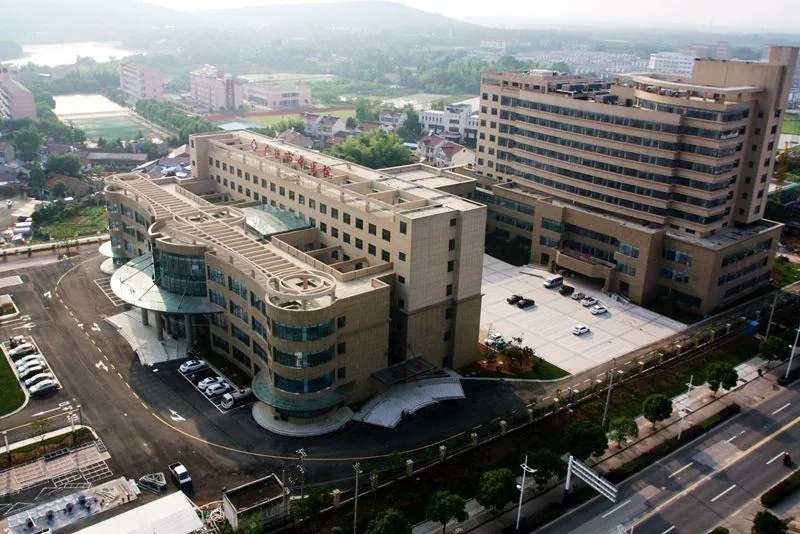
If scale is the signal, Guangdong Provincial is the clear heavyweight. The hospital operates across 8 campuses, sees 7.2 million annual outpatients — the highest in China’s TCM system — and reports 92% AI-assisted diagnostic coverage.
This is, in effect, the world’s largest working TCM institution, run with the throughput of a modern healthcare network.
Why international patients pick it
- The most comprehensive emergency and ICU capacity among dedicated TCM hospitals
- 138 in-house proprietary herbal preparations, many not widely available elsewhere
- Costs are typically 20% to 30% lower than comparable hospitals in Beijing or Shanghai
- Direct billing with major international insurers
Best for
- Emergency care
- Dermatology and skin disease
- Chronic kidney disease
- Stroke recovery
- Respiratory conditions including COPD and asthma
International readiness
Moderate to strong. The hospital has multilingual staff in its International Patient Center, supports booking through a WeChat mini-program, and can issue medical invitation letters for visa purposes. But compared with top hospitals in Beijing and Shanghai, English-language support is less consistent, so patients with complex cases should plan for a medical interpreter.
1) Guang’anmen Hospital, China Academy of Chinese Medical Sciences (Tie)
Beijing | Composite Score: 9.35/10
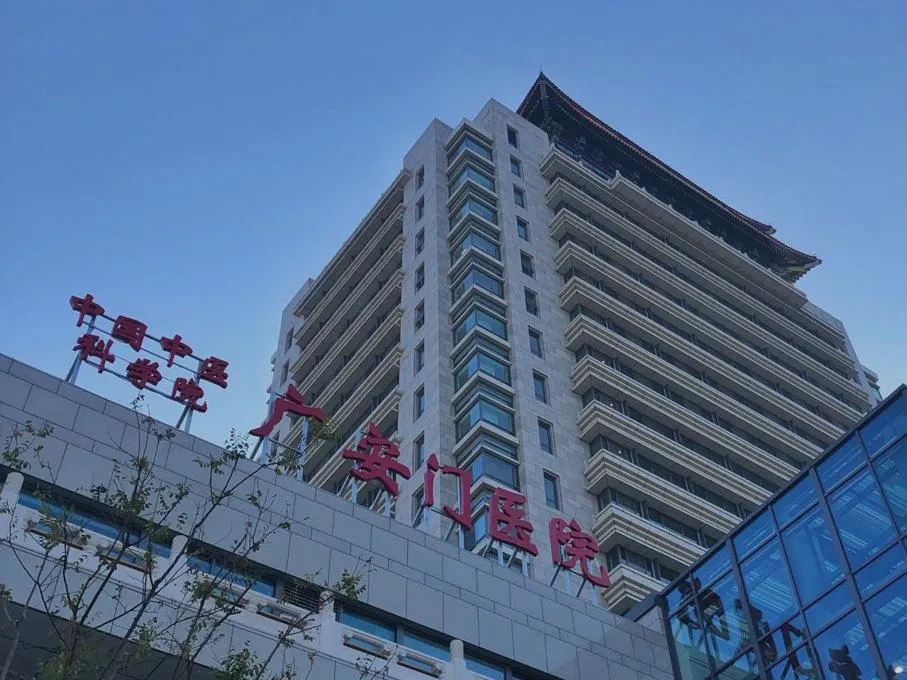
Guang’anmen is where much of modern evidence-based TCM is being built. It produced 630 excellence-rated scientific papers, ranking first among Chinese TCM hospitals by citation impact, and secured 26 National Natural Science Foundation projects in 2024.
In short, this is the research powerhouse.
Why international patients pick it
- One of the strongest international patient infrastructures in the category
- ISO9001 certified
- Bupa-accredited
- 24 international insurance partners with direct billing
- Remote second opinions via telemedicine before travel
- A dedicated International Medical Department with professional interpreters
- Full S1/S2 medical visa support
Best for
- Cancer and integrative oncology
- Diabetes and complications
- Rheumatoid arthritis
- Skin conditions
- Digestive disorders
The oncology edge
Guang’anmen’s tumor center is one of the defining institutions in TCM cancer care, with 200 dedicated beds and 250,000 annual oncology outpatients. It also developed proprietary formulations including Xihuang Jiedu Capsule, and its diabetes protocols are recognized by the WHO.
International readiness
Strong. Among elite TCM hospitals, Guang’anmen is arguably the most natively designed for foreign patients. It offers pre-treatment remote consultation and can structure treatment plans around fixed timelines, which is especially useful for visa planning.
3) Longhua Hospital, Shanghai University of Traditional Chinese Medicine
Shanghai | Composite Score: 9.28/10
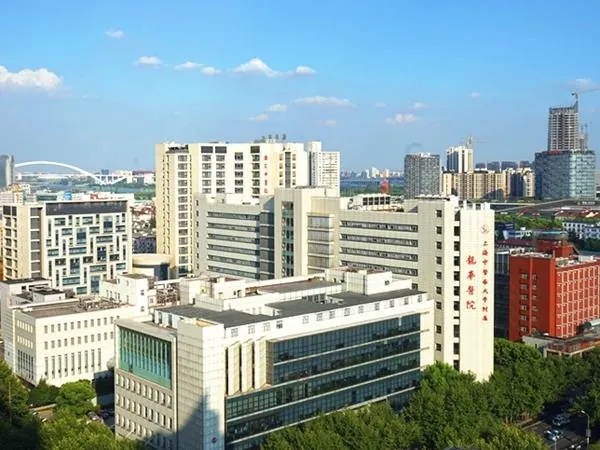
Longhua was the first TCM hospital in Shanghai to achieve JCI accreditation, a major international benchmark for patient safety. But the more interesting story is operational speed.
The hospital can often move from admission to diagnostic workup within 24 hours, and in some cases schedule surgery the next day. Entire treatment cycles can be compressed into one week.
Why international patients pick it
- Built for short-cycle medical travel
- Works well with 144-hour transit visa and 30-day visa-free policies available to many nationalities
- Reports an 88.8% healing rate for Crohn’s disease with perianal fistulas, compared with an overseas average below 50%
- Home to the 160-year Gu’s Surgery heritage for anorectal treatment
- Offers needle-knife therapy (acupotomy) for chronic pain, a modality largely unavailable in Western systems
Best for
- Integrative cancer care
- Anorectal surgery, including hemorrhoids, fistulas, and Crohn’s-related conditions
- Chronic pain and rehabilitation
- Needle-knife therapy
Cost profile
A full integrated rehabilitation package is listed at roughly ¥1,500–2,000, or about $200–280 USD, versus around $2,000 per session for comparable visceral manipulation overseas.
International readiness
Strong. Longhua has dedicated English-speaking coordinators, an email confirmation system, a hotline, and acceptance of commercial medical insurance. It is one of the few hospitals in the segment that clearly markets treatment timelines to international patients.
4) Xiyuan Hospital, China Academy of Chinese Medical Sciences
Beijing | Composite Score: 9.21/10
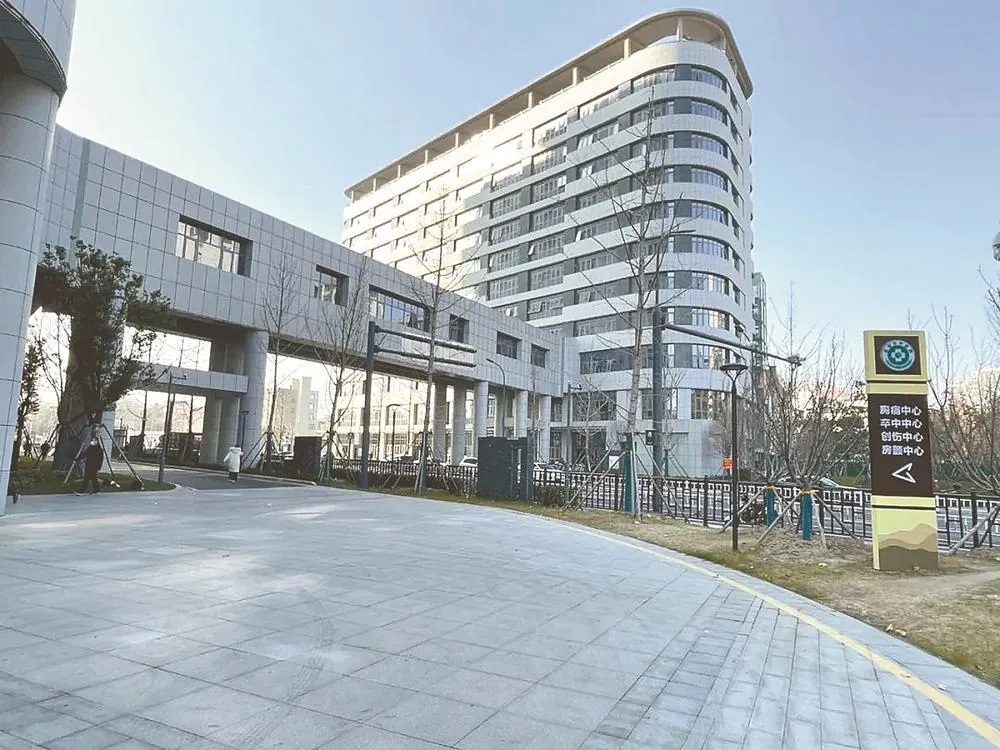
Xiyuan is often treated as the national team of TCM. It consistently ranks at or near the top in academic influence and is home to China’s only National Clinical Research Center for Cardiovascular Disease within the TCM system.
Why international patients pick it
- First hospital in China to combine cardiac catheterization with TCM rehabilitation protocols
- Secured 28 National Natural Science Foundation projects in 2024, the highest research funding level in the TCM sector
- Included in government-backed international medical tourism pilot programs
- Operates 14 national key specialties, including cardiovascular care, hematology, geriatrics, and gastroenterology
Best for
- Heart disease
- Blood disorders, especially anemia
- Elderly care
- Complex chronic disease management
International readiness
Moderate. International medical services are available, but English support is generally less comprehensive than at Guang’anmen or Longhua. It is a strong fit for patients with complex cardiovascular needs who care more about clinical depth than convenience.
5) Dongzhimen Hospital, Beijing University of Chinese Medicine
Beijing | Composite Score: 9.13/10
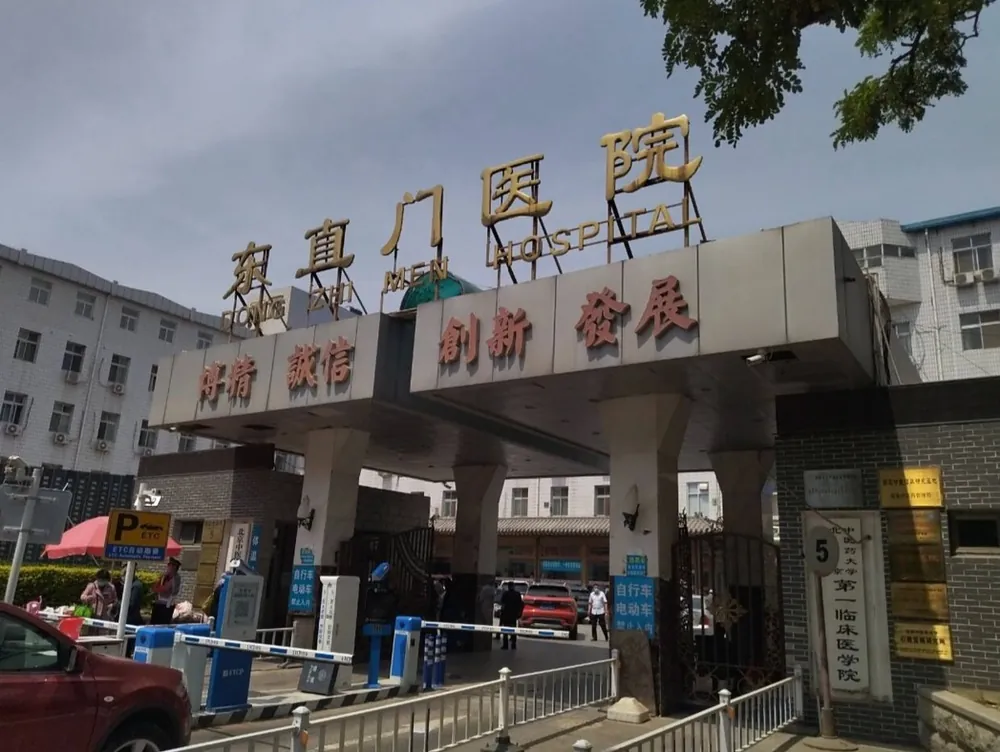
Dongzhimen is sometimes described as the “West Point” of TCM education, reflecting its role in training generations of Chinese medicine leaders.
Its neurology department is the standout: ranked No. 1 nationwide for stroke treatment, with an 86% effective rate using integrated TCM protocols.
Why international patients pick it
- Leading TCM neurology department for stroke recovery, Parkinson’s disease, and dementia
- Home to palace bone-setting technique, an orthopedic lineage linked to the Qing court
- Staff includes 2 academicians and 52 doctoral supervisors
- Strong programs in diabetic nephropathy and gynecology
Best for
- Stroke recovery
- Parkinson’s disease
- Dementia
- Diabetic complications
- Orthopedic conditions
International readiness
Moderate. Standard international services exist, but English-language support typically requires planning. It is best suited to patients seeking very deep neurological expertise.
6) Shuguang Hospital, Shanghai University of Traditional Chinese Medicine
Shanghai | Composite Score: 9.05/10
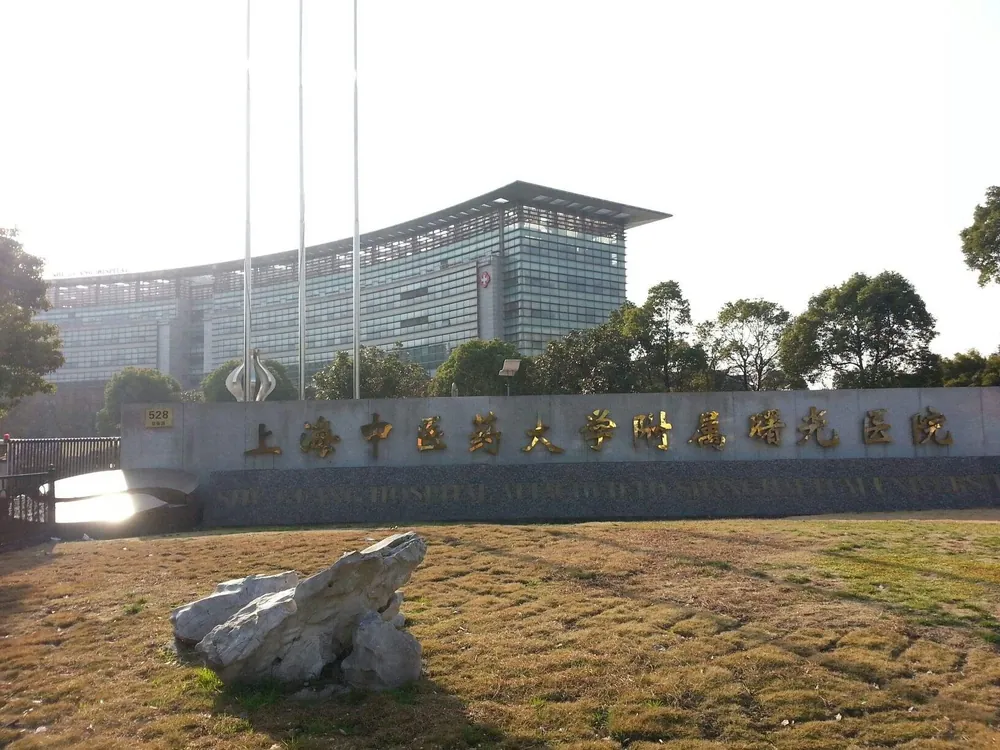
Shuguang was the first TCM hospital in the world to achieve JCI accreditation, back in 2006, and has maintained A+ grades in China’s national hospital performance exam for six consecutive years.
That consistency makes it one of the safest bets in the category.
Why international patients pick it
- One of the strongest emergency and ICU integrations in the TCM system
- Reports a 90% effective rate for emergency TCM treatment
- National Clinical Research Base for Liver Disease
- Reports 88% efficacy in chronic hepatitis
- 24/7 English support in the international ward
- Insurance workflows aligned with JCI standards
Best for
- Liver disease, including hepatitis and cirrhosis
- Emergency conditions
- Kidney disease
- Bone injuries
- Cardiovascular issues
International readiness
Strong. JCI accreditation brings familiar patient safety systems, including English consent forms and adverse event reporting protocols. For many Western patients, the workflow will feel much more familiar than at a typical domestic hospital.
7) Jiangsu Provincial Hospital of Chinese Medicine
Nanjing | Composite Score: 8.94/10
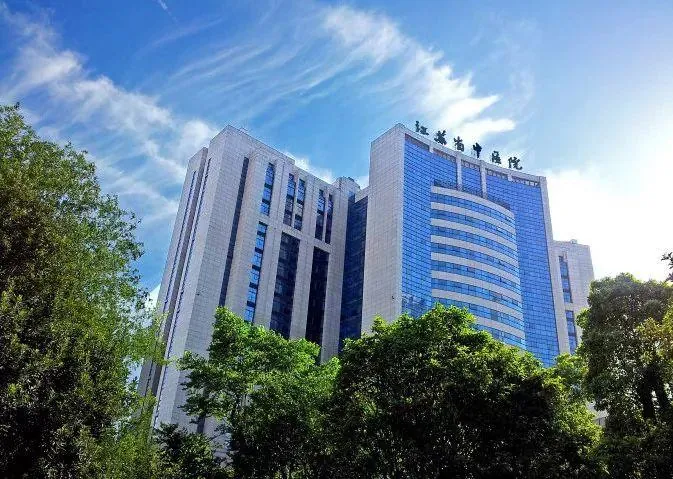
Jiangsu Provincial stands out for technical depth. It ranks first on technical evaluation metrics and has 5 Guoyi Masters, the highest concentration of China’s top TCM honor in a single hospital.
Its pharmacy operation is also notable, with 200 proprietary preparations and a 350,000-acre herb planting base.
Why international patients pick it
- One of the most affordable top-tier options
- Exceptional breadth in herbal medicine formulations
- 7.86 million annual outpatients, signaling major operational maturity
- Strong in pediatric TCM and ENT care, including allergies and chronic sinusitis
Best for
- Digestive disorders, especially ulcerative colitis
- Pediatric care
- ENT and allergy treatment
- Herbal medicine therapy
- Preventive care
International readiness
Limited. English support is minimal, and non-Chinese speakers will usually need a medical tourism agency or interpreter. But for patients focused on authentic herbal medicine and value, Jiangsu is a compelling option.
8) First Affiliated Hospital, Tianjin University of Traditional Chinese Medicine
Tianjin | Composite Score: 8.88/10
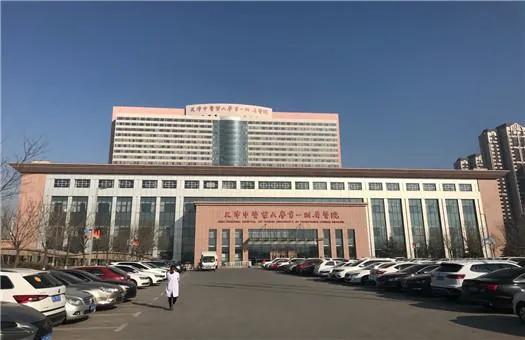
If acupuncture is the main reason you’re traveling, Tianjin may be the most important address on the list.
The hospital has 1,000+ acupuncture beds, sees 650,000 annual acupuncture outpatients, and hosts the only National Clinical Research Center for Acupuncture in China.
Why international patients pick it
- Home of Xingnao Kaiqiao, a stroke-rehabilitation acupuncture technique developed by Academician Shi Xuemin
- Reports 89% efficacy for stroke rehabilitation with that protocol
- The method has been exported to 30+ countries
- Treats 12,000+ overseas patients annually
- Affordable relative to Beijing and Shanghai
- Strong in pediatric massage for developmental conditions
Best for
- Stroke rehabilitation
- Chronic pain
- Neurological disorders
- Pediatric massage
- Insomnia
International readiness
Moderate. Support is strongest inside acupuncture-related departments, where international patients are concentrated. Broader English-language infrastructure is more limited. This hospital is best for focused acupuncture or tuina care rather than highly complex integrated treatment.
9) Zhejiang Provincial Hospital of Chinese Medicine
Hangzhou | Composite Score: 8.67/10
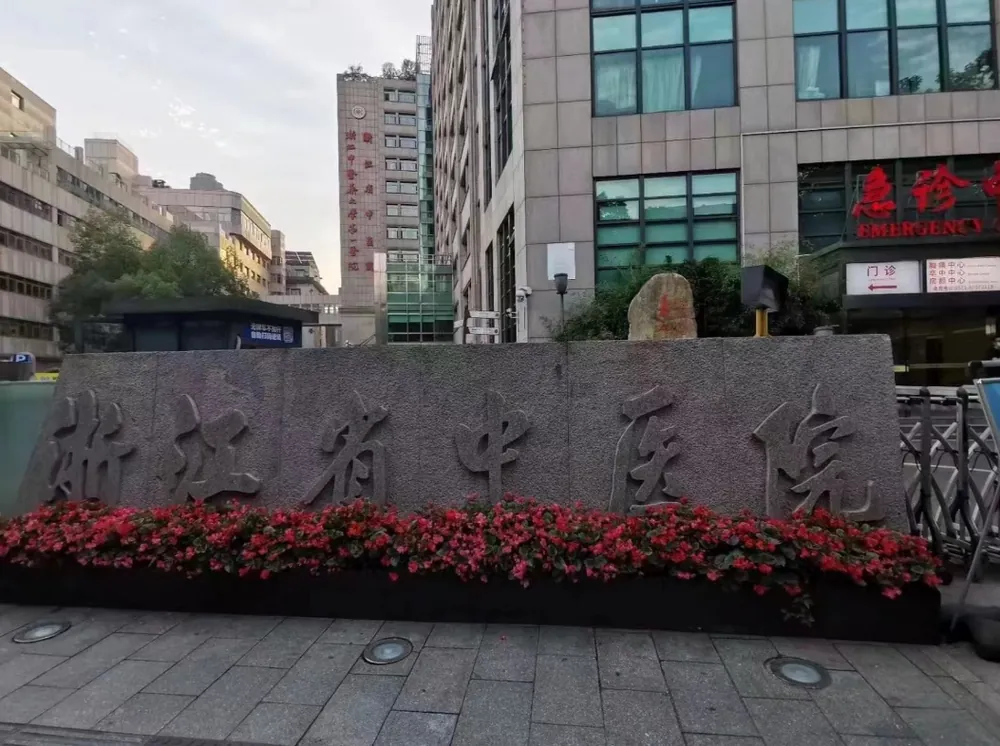
Zhejiang is the most digitally ambitious hospital on the list. It is the only research hospital within China’s TCM system, secured 30 National Natural Science Foundation projects, and has a planned investment of ¥3 billion.
Its most eye-catching workflow is a tech stack that spans AI diagnosis, smart decoction, and drone delivery, now covering 85% of prescriptions.
Why international patients pick it
- Smart pharmacy automation cuts medicine wait times to 30 minutes
- Strong in integrative care for leukemia and blood cancer
- Located near West Lake, making it attractive for recovery-focused travel
- Generated ¥56 million in research commercialization in 2024
Best for
- Leukemia and blood cancer
- Breast disease
- Patients interested in digital health-enabled care
- Research-driven treatment
International readiness
Developing. English support is improving, but it is not yet a core strength. This is a better fit for tech-forward patients or those combining care with Hangzhou’s tourism appeal.
10) Chengdu University of TCM Affiliated Hospital
Chengdu | Composite Score: 8.48/10
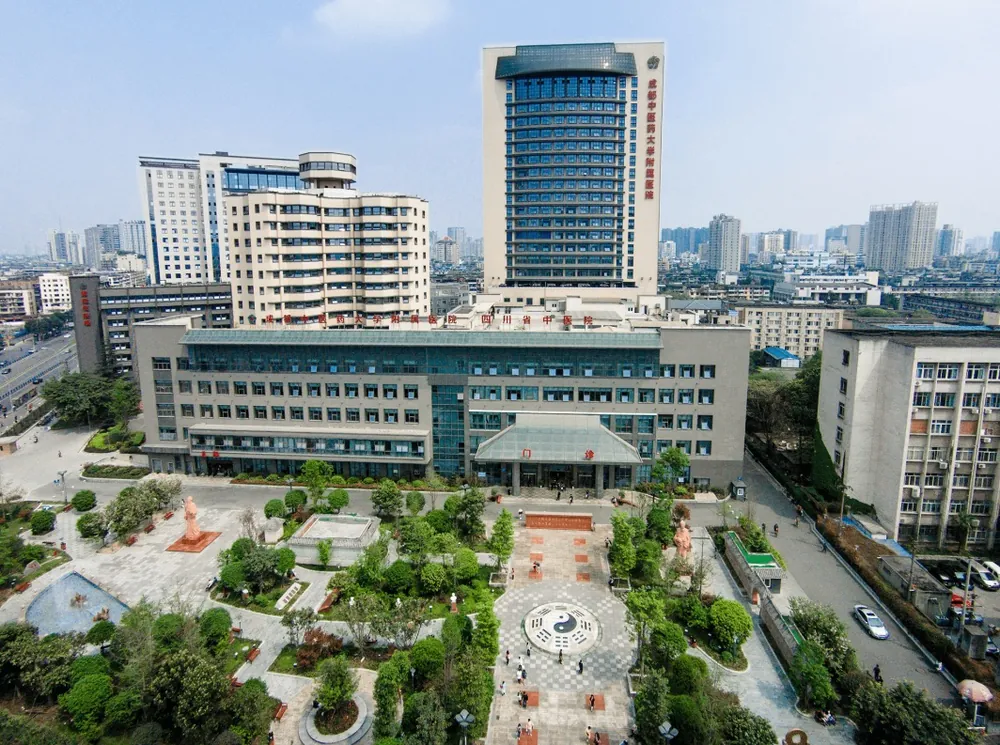
Chengdu’s affiliated hospital is the major TCM hub in western China. It won a National Science and Technology Progress Award for its herbal steam therapy system for rheumatoid arthritis, which it reports at 85% efficacy across 30,000+ annual patients.
Why international patients pick it
- Award-winning herbal steam therapy not typically found in standard Western hospitals
- Distinctive Sichuan-style TCM, including integration with medical cuisine
- Easy to pair with Chengdu tourism, including the city’s panda bases
- The most affordable hospital in the top 10
Best for
- Rheumatoid arthritis
- Ankylosing spondylitis
- Eye disease, including dry eye and retinopathy
- Pediatric TCM
- Herbal steam therapy
International readiness
Limited. Even among staff, Sichuan dialect is common, so professional interpreters are essential. This is a destination for patients prioritizing regional TCM traditions or low-cost care.
Which hospital is best for your condition?
Here’s the practical shortlist for common treatment needs:
- Cancer, integrative care: Guang’anmen first, Longhua second
- Stroke recovery: Tianjin First Affiliated first, Dongzhimen second
- Heart disease: Xiyuan first, Guangdong Provincial second
- Liver disease: Shuguang first, Zhejiang second
- Chronic pain: Longhua first, Tianjin First Affiliated second
- Skin disease: Guangdong Provincial first, Guang’anmen second
- Digestive disorders: Jiangsu Provincial first, Xiyuan second
- Pediatric TCM: Jiangsu Provincial first, Chengdu second
- Emergency care: Guangdong Provincial first, Shuguang second
- Wellness and prevention: Guangdong Provincial first, Jiangsu Provincial second
Practical advice for international patients
Visa strategy for 2026
For many nationalities, 30-day visa-free entry or 144/240-hour transit visas are now enough for short TCM treatment cycles.
If treatment will last longer than 30 days, patients usually need an S2 medical visa, which requires an official hospital invitation letter. Longhua and Guang’anmen are noted as routine providers of this support.
A useful rule: secure treatment confirmation before applying for a visa, so the invitation letter timeline doesn’t become the bottleneck.
Payment and insurance
Some of the most internationally ready hospitals already support direct billing:
- Guang’anmen: 24 insurance partners
- Longhua: commercial insurance accepted
- Shuguang: JCI-standard insurance compatibility
Wire transfer is common for deposits, typically 30% to 50% upfront, and patients should expect $30 to $50 in transfer fees.
International credit cards are generally accepted at JCI-accredited hospitals, though 3% to 4% foreign transaction fees are common.
A typical reality check on pricing: comprehensive TCM programs cost around $2,000 to $5,000 for one to two weeks, versus $10,000 to $20,000 for comparable wellness retreats in places like Switzerland or California.
Language support
The English-language picture varies widely.
Strong English support
- Longhua
- Shuguang
- Guang’anmen
Moderate English support
- Guangdong Provincial
- Tianjin First Affiliated
Limited English support
- Jiangsu
- Chengdu
- Zhejiang
For the last group, professional medical interpreters are strongly recommended, typically costing $100 to $300 per day.
One major red flag: if a surgeon does not speak English and no qualified interpreter is available for a complex procedure, that is usually a sign to reconsider.
Booking tips
Do not walk in and hope for the best. For top doctors, book at least seven days in advance, typically through WeChat or the hospital’s international department.
Patients should also bring:
- Previous medical records
- Test results from the last three months
- A current medication list using generic names
When contacting a hospital, ask specifically for the International Medical Department or use the Chinese term 国际医疗部 or 国际部.
Before leaving China, request:
- An English discharge summary
- A written follow-up plan
That documentation is critical if care will continue with a doctor back home.
The bottom line
China’s leading TCM hospitals have built something unusual in global healthcare: highly modern medical infrastructure running on a diagnostic and treatment logic shaped over two millennia.
For international patients, the shortlist is relatively clear:
- Choose Guang’anmen for research-backed oncology or diabetes care with the strongest international infrastructure
- Choose Longhua for JCI-accredited, fast-turn treatment cycles that align well with short-term medical travel
- Choose Guangdong Provincial for scale, lower costs, and the strongest emergency-ready comprehensive care
- Choose Tianjin for high-level acupuncture and stroke rehabilitation at accessible pricing
- Choose Jiangsu for authentic herbal medicine traditions at a lower top-tier price point
The best hospital is not simply the one with the highest domestic prestige. It’s the one where your condition, language needs, budget, and logistics line up with the institution’s real strengths.