China’s healthcare system is becoming a far bigger draw for international patients — and the numbers make that clear. In 2025, major domestic hospitals serving overseas patients logged 1.28 million visits, a 73.6% increase from three years earlier. Pure treatment visits, excluding checkups and cosmetic procedures, reached 413,000, up 63% year over year. Patient volume from Europe and North America doubled over the same period.
That surge isn’t happening by chance. It reflects a mix of stronger clinical capabilities, sharply lower prices, and a more mature support system for foreign patients. A CT scan that can cost around USD 7,000 in the US without insurance may run just RMB 200–800 (USD 28–110) at a leading Chinese hospital. A coronary bypass that might be billed at USD 130,000 in the US can come in at roughly USD 40,000 in Shanghai.
But there’s a catch: there is no single, definitive list of the “best” hospitals in China. Different source materials emphasize different things — academic reputation, international branding, convenience, or patient anecdotes. So the better question isn’t which hospital ranks highest overall. It’s which hospital is the right fit for a specific condition, budget, language need, and insurance setup.
This guide takes that approach. Instead of forcing hospitals into a rigid leaderboard, it organizes them by clinical purpose, drawing on 2025–2026 official statistics, Fudan University hospital rankings, and specialty-specific reputation data.
For complex and difficult-to-diagnose cases
When patients are dealing with rare disease, multisystem illness, or cases other institutions haven’t been able to solve, a few hospitals stand out as China’s top referral centers.
Peking Union Medical College Hospital (PUMCH), Beijing
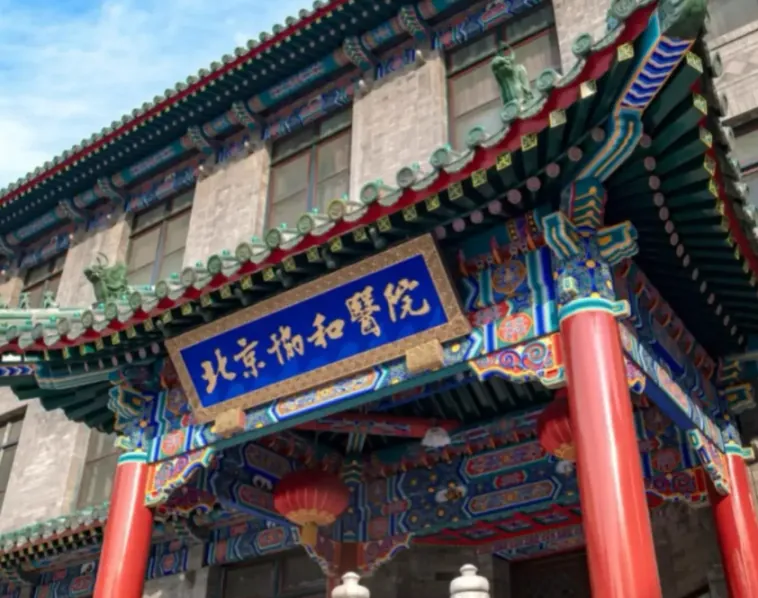
PUMCH has ranked No. 1 in China’s comprehensive hospital rankings for more than a decade, making it the closest thing the country has to a national flagship hospital.
It is especially strong in:
- Rheumatology
- Endocrinology
- Obstetrics and gynecology
- Complex internal medicine
- Multidisciplinary diagnosis for undiagnosed illness
Its International Medical Services unit dates back to 1951, and the hospital now offers an embassy hotline, an English-language app interface, and direct billing with major global insurers. Foreign patient volume has been rising by more than 20 percent annually in recent years.
Best for: rare disease workups, definitive diagnoses, and cases that require tight coordination across multiple specialties.
West China Hospital, Sichuan University, Chengdu
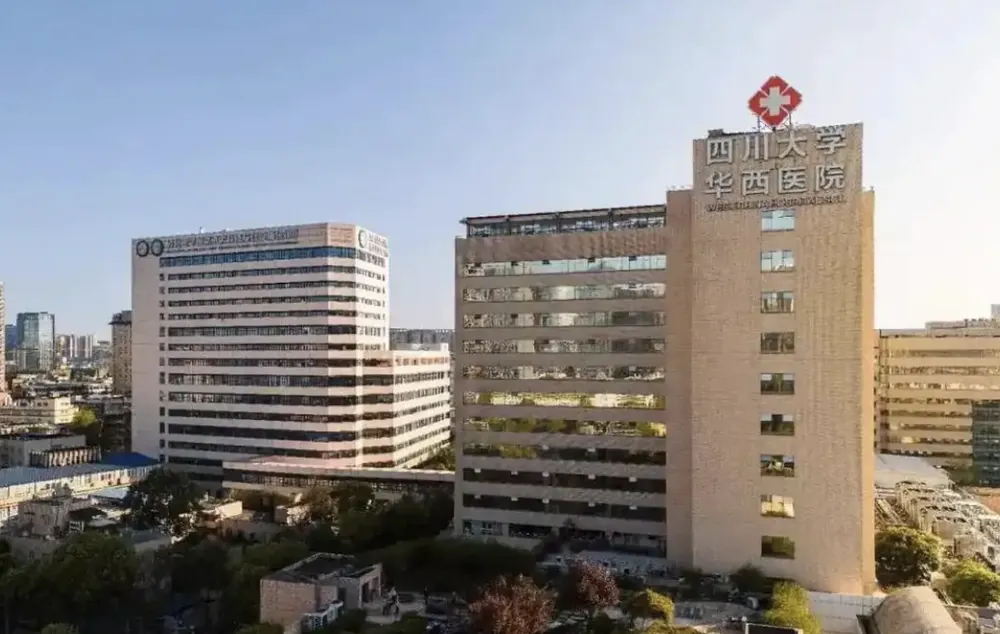
Ranked No. 2 nationally for 12 straight years, West China Hospital is one of China’s most formidable general hospitals, with 30 specialties in the national top 10. It is also the world’s largest single-site comprehensive hospital by bed count.
Its key strengths include:
- General surgery
- Respiratory and critical care
- Orthopedics, especially complex spine correction
- Neurosurgery
- Major trauma care
West China has developed into a major medical travel hub for western China, with a full international medical center, fast-track channels for foreign patients, and standardized global insurance processes. It handles more than 10,000 international visits per year, especially from Southeast Asia, Africa, and Europe.
Best for: high-risk surgery, critical care, and trauma cases where patients want top-tier capability at a much lower price than in many Western systems.
Chinese PLA General Hospital (301 Hospital), Beijing
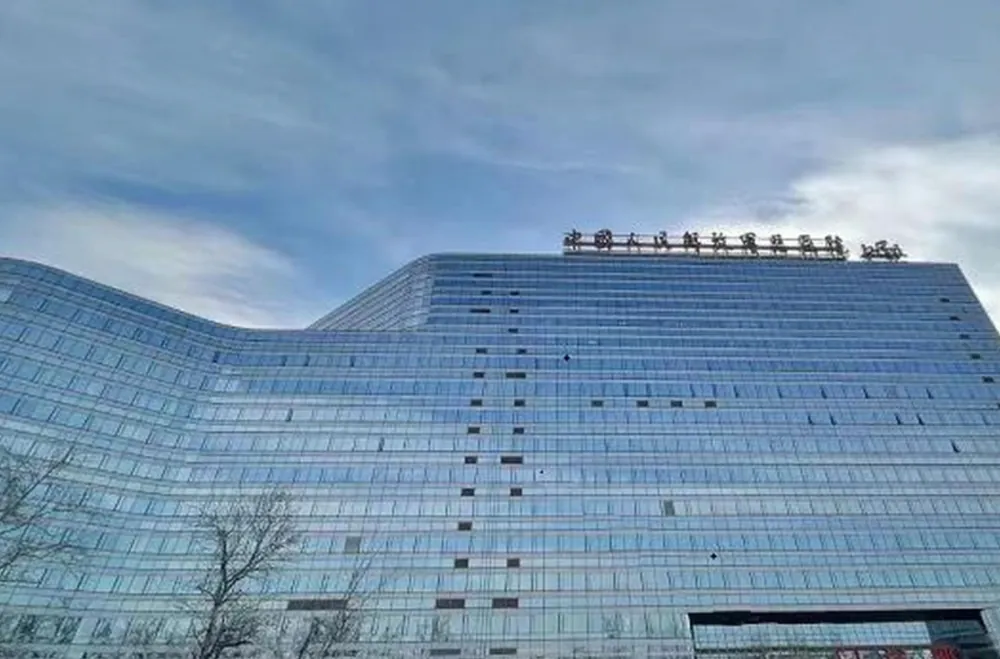
The 301 Hospital consistently sits in the top three across major Chinese ranking systems.
It is known for:
- Cardiology
- Geriatrics
- Orthopedics
- Neurology
- Oncology
The hospital also brings military trauma rehabilitation expertise into civilian care, giving it an edge in complex recovery and reconstruction cases. Its international department is large and backed by advanced imaging and diagnostics.
Best for: older patients with multiple underlying conditions, complex orthopedic reconstruction, and cardiovascular procedures.
For cancer care
Cancer is now the biggest driver of inbound medical travel to China, and the country’s top oncology centers are increasingly visible internationally.
Cancer Hospital, Chinese Academy of Medical Sciences (CAMS), Beijing
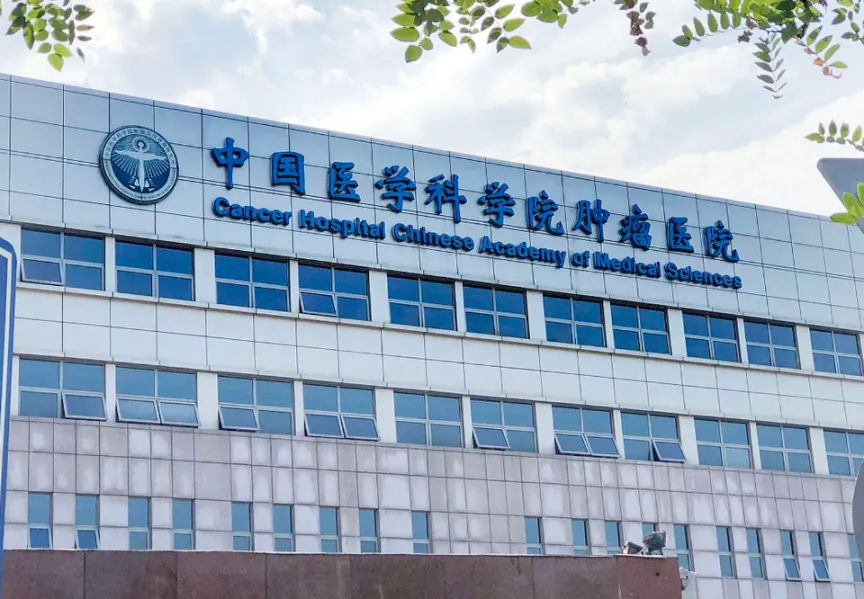
This hospital has ranked No. 1 in oncology for 15 consecutive years in the Fudan system and serves as the designated unit of the National Cancer Center.
Its strengths include:
- Esophageal cancer
- Gastric cancer
- Lung cancer
- Liver cancer
- Lymphoma
- Precision radiotherapy
- Combined immunotherapy protocols
Best for: solid tumors that need high-volume surgical teams and access to national clinical trial pipelines.
Sun Yat-sen University Cancer Center (SYSUCC), Guangzhou
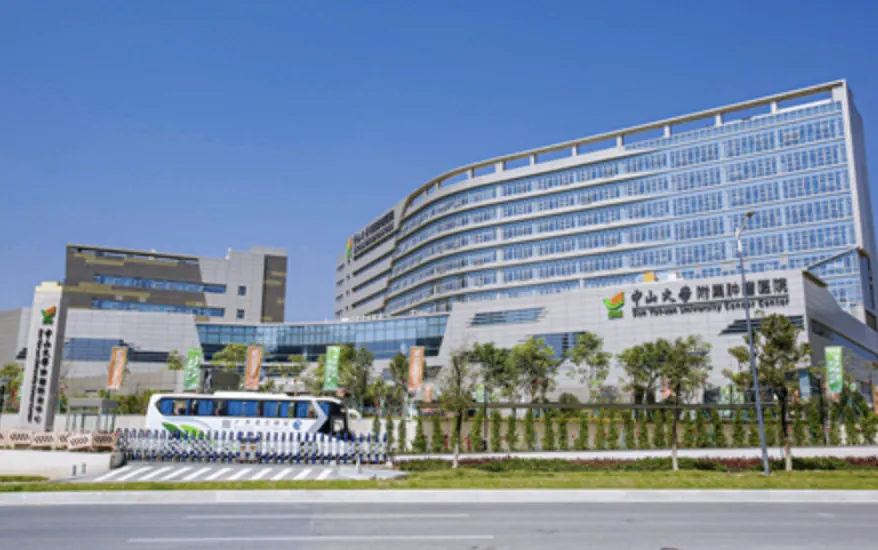
SYSUCC ranks No. 2 nationally in oncology and is widely recognized as a global leader in nasopharyngeal carcinoma, or NPC. Its treatment protocols are referenced in NCCN guidelines.
Its areas of focus include:
- Nasopharyngeal carcinoma
- Liver cancer radiofrequency ablation
- Targeted therapy
- Immunotherapy
The center also runs a dedicated international oncology zone with a fully English-language environment and direct insurance settlement.
Best for: head and neck cancers, especially NPC, as well as patients from Southeast Asia and the Middle East who benefit from Guangzhou’s regional connectivity.
Fudan University Shanghai Cancer Center, Shanghai
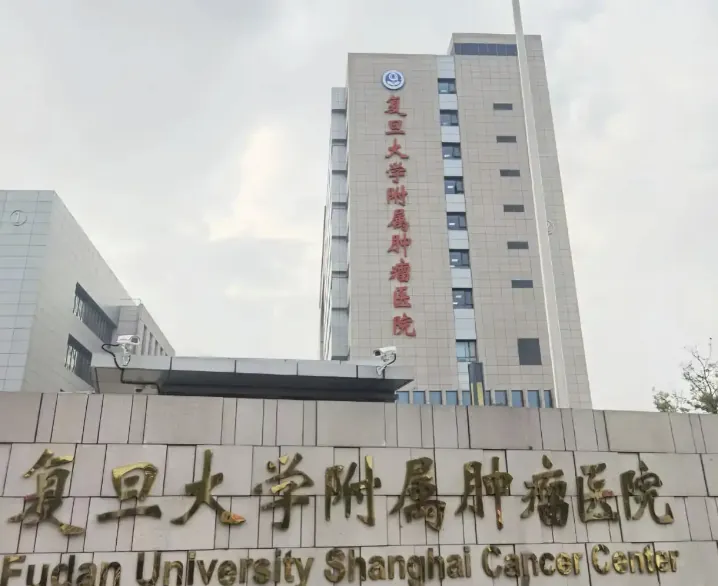
Ranked No. 3 nationally, this center is especially notable as the birthplace of China’s molecular breast cancer subtyping work.
Its standout specialties include:
- Breast cancer, especially triple-negative disease
- Pancreatic cancer
- Proton therapy
- Heavy-ion therapy
Best for: patients seeking advanced radiation options and molecular profiling for breast or pancreatic cancers.
For cardiovascular, transplant, and hepatobiliary surgery
China is also becoming a stronger option for patients facing long delays or high costs for major surgery elsewhere.
Zhongshan Hospital, Fudan University, Shanghai
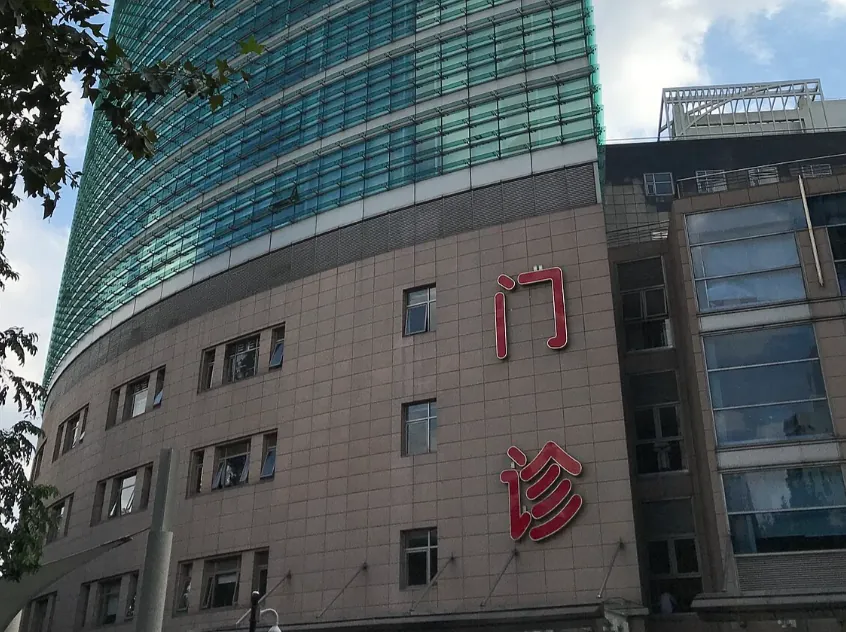
Zhongshan is a top-tier institution whose cardiac and liver transplant outcomes match or exceed international benchmarks.
Its strengths include:
- Coronary intervention
- Heart valve repair
- Heart transplantation
- Liver transplantation
- Liver cancer surgery
- Hepatobiliary surgery
It was among Shanghai’s first 13 International Medical Tourism Pilot Units, and it operates a separate IT system for international patients. It has also launched cross-border partnerships, including at the Dubai World Health Expo 2026.
Best for: patients seeking transplants with shorter wait times than in their home countries, or those needing complex valve or coronary procedures.
The First Affiliated Hospital, Sun Yat-sen University, Guangzhou
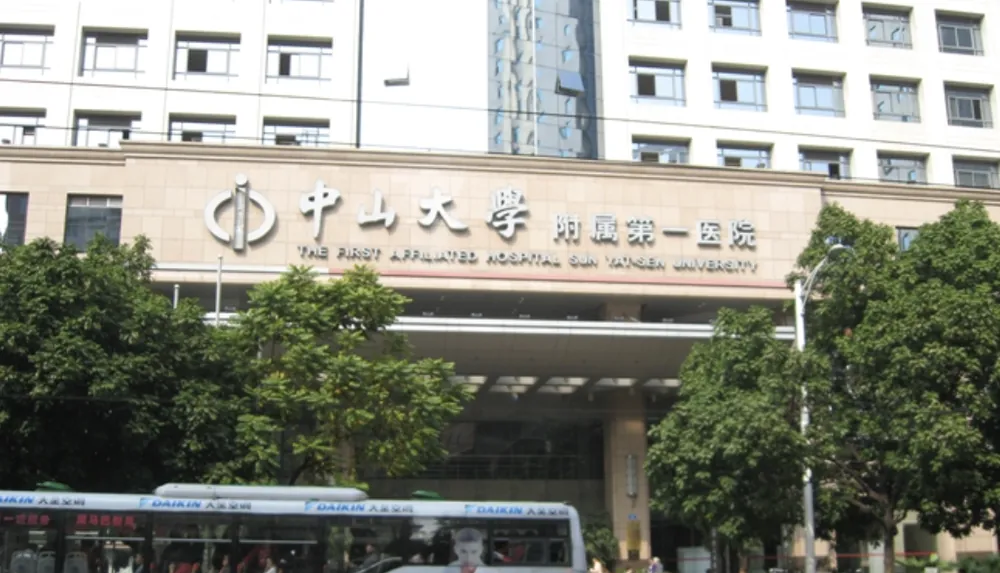
This hospital is the leading organ transplant center in South China.
It is particularly strong in:
- Liver transplantation
- Kidney transplantation
- Urology
- Digestive disease surgery
Its international medical center is well established, with mature multidisciplinary care and a strong track record serving Greater Bay Area expatriates and patients from Southeast Asia.
Best for: renal and liver transplants, as well as urologic oncology.
Ruijin Hospital, Shanghai Jiao Tong University, Shanghai
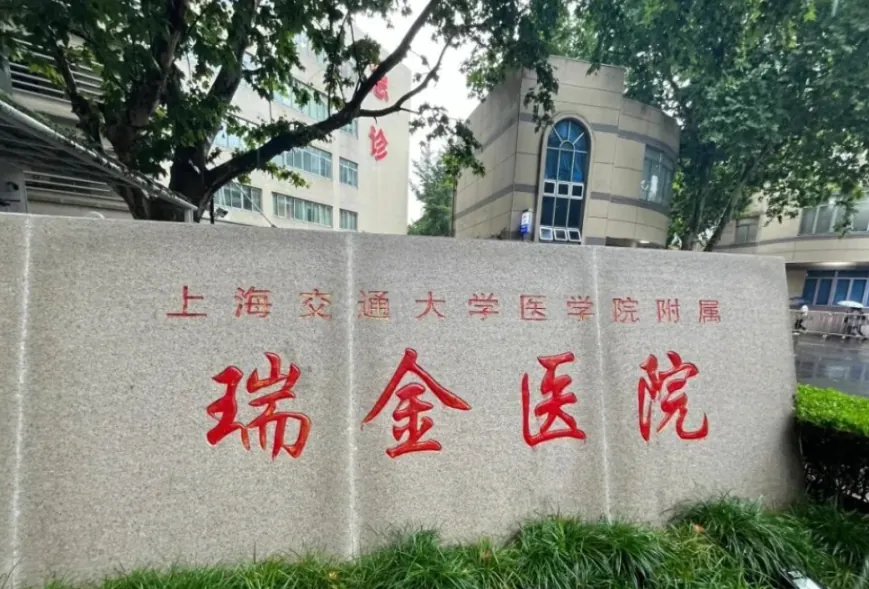
Ruijin has long been one of China’s pioneers in international medicine and is especially well known for metabolic disease treatment.
Its key strengths include:
- Endocrinology and diabetes
- Hematology, including leukemia and CAR-T therapy
- Minimally invasive surgery
- Pancreatic surgery, including robotic spleen-preserving procedures
The hospital was one of the earliest providers of international medical services in China and now offers an international ICU and independent information systems for foreign patients.
Best for: complex diabetes, thyroid disorders, blood cancers, and advanced minimally invasive gastrointestinal surgery.
For neurology and neurosurgery
For brain and nervous system conditions, two hospitals stand out above the rest.
Huashan Hospital, Fudan University, Shanghai
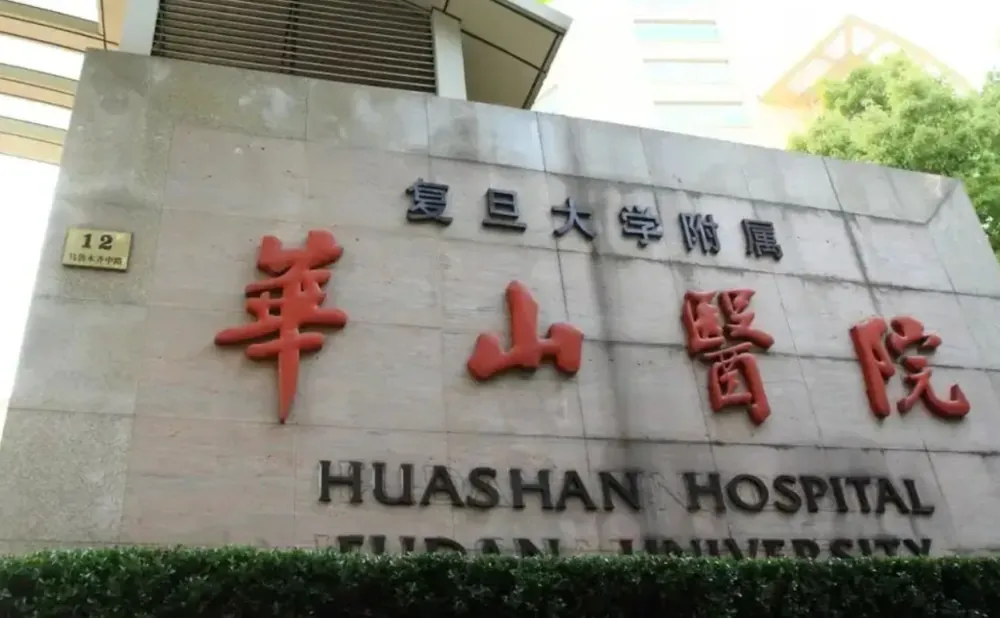
Huashan is arguably China’s most internationally recognized neurology center.
Its major strengths include:
- Brain tumors
- Epilepsy
- Parkinson’s disease
- Stroke
- Infectious diseases of the nervous system
Its dermatology department is also ranked No. 1 nationally. In 2025, Huashan treated patients from more than 90 countries. It also helped draft China’s first local standard for international medical services and is one of Shanghai’s 13 pilot international medical tourism units.
Best for: movement disorders, neuro-oncology, and difficult neuroinfectious disease cases.
Beijing Tiantan Hospital, Capital Medical University
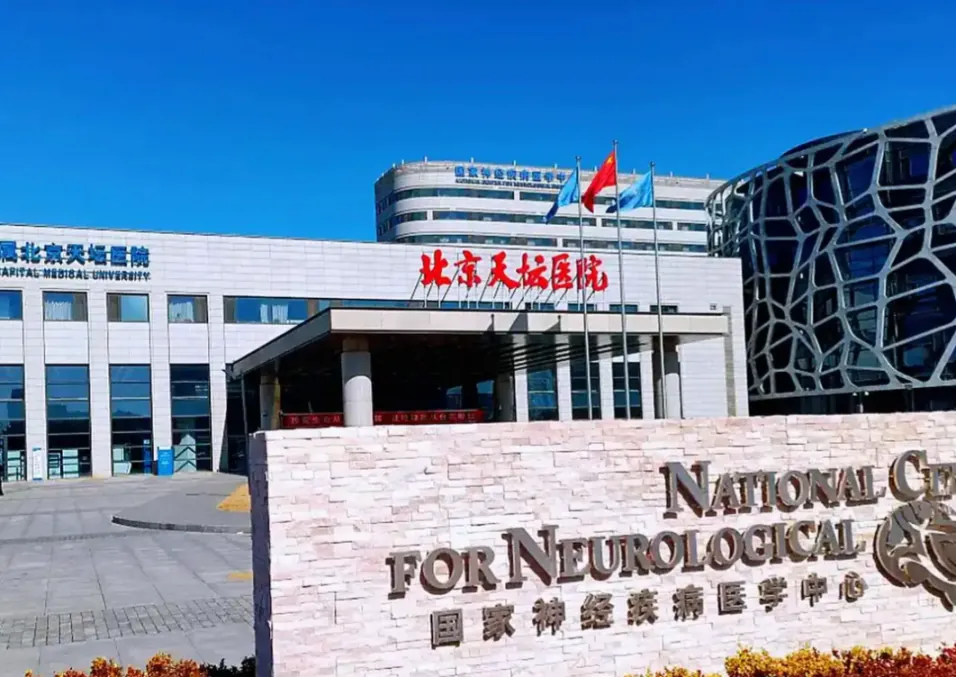
Tiantan is Asia’s leading neurosurgical specialty hospital.
Its expertise includes:
- Cerebrovascular malformations
- Brain tumors
- Stroke
- Functional neurosurgery for epilepsy and Parkinson’s disease
- Pediatric neurosurgery
Its International Neuroscience Center provides fast-track access, multilingual teams, and remote postoperative follow-up.
Best for: high-risk cerebrovascular surgery and neuro-oncology cases where surgical precision is critical.
For patients who prioritize international service and accessibility
Clinical excellence matters, but for many overseas patients, so does the softer side of care: language, insurance support, coordination, and cultural familiarity.
China-Japan Friendship Hospital (CJFH), Beijing
CJFH is a state-designated public hospital for foreign patients and may have the most mature foreign-patient service culture among major public institutions.
It is strongest in:
- Respiratory medicine
- Rheumatology
- Dermatology
- Integrated Chinese and Western medicine for chronic disease
Its staff are trained in basic international service protocols, and the hospital supports professional Japanese and English teams, broad international insurance coverage, and streamlined admissions.
Best for: patients who want public-hospital expertise with something closer to private-hospital efficiency, especially for chronic disease management and TCM-integrated rehabilitation.
Nanfang Hospital, Southern Medical University, Guangzhou
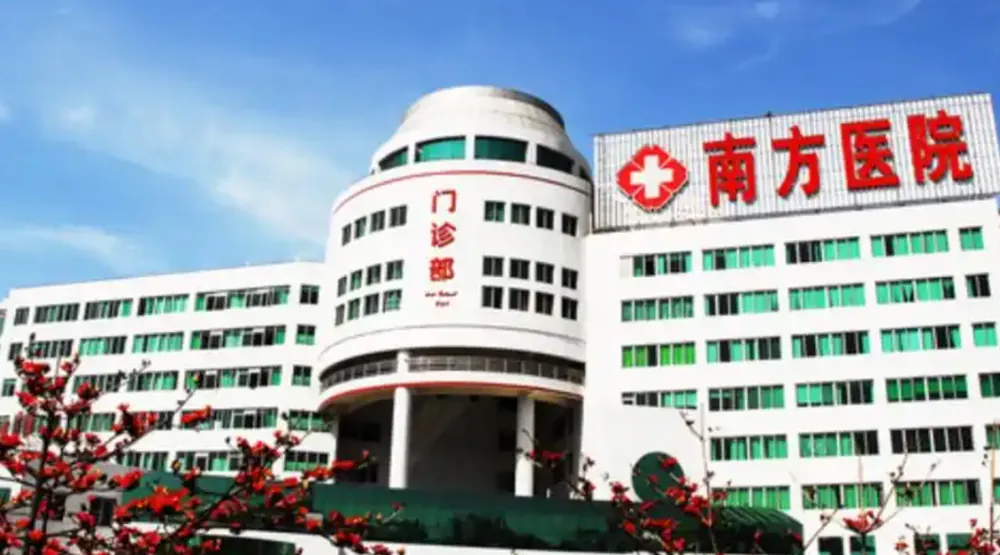
Nanfang Hospital’s Huiqiao Medical Center, founded in 1979, is one of China’s oldest and largest dedicated foreign-patient service units.
The hospital has served more than 230,000 patients from 92 countries, with deep experience handling the expectations of Southeast Asian and Middle Eastern patients.
Best for: patients from Belt-and-Road countries and anyone looking for a hospital with decades of cross-cultural experience.
Shanghai Ninth People’s Hospital, Shanghai Jiao Tong University
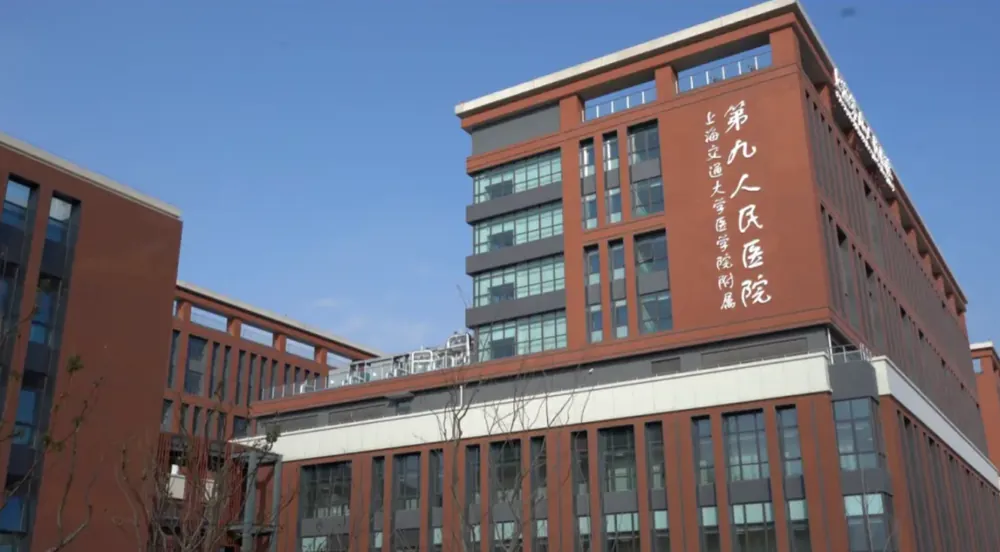
Shanghai Ninth has become a global destination for reconstructive and craniofacial surgery.
Its strengths include:
- Plastic and reconstructive surgery
- Microsurgical limb salvage
- Oral and maxillofacial surgery
- Ophthalmology
A 2025 case involving a 3-year-old Brazilian girl with congenital foot hypertrophy, whose limb was saved from amputation, drew international attention.
Best for: congenital deformities, post-trauma reconstruction, and head and neck oncology requiring microvascular reconstruction.
For Traditional Chinese Medicine and integrative care
Some international patients come to China specifically for TCM, either as primary treatment or as a complement to conventional care.
Guang’anmen Hospital, China Academy of Chinese Medical Sciences, Beijing
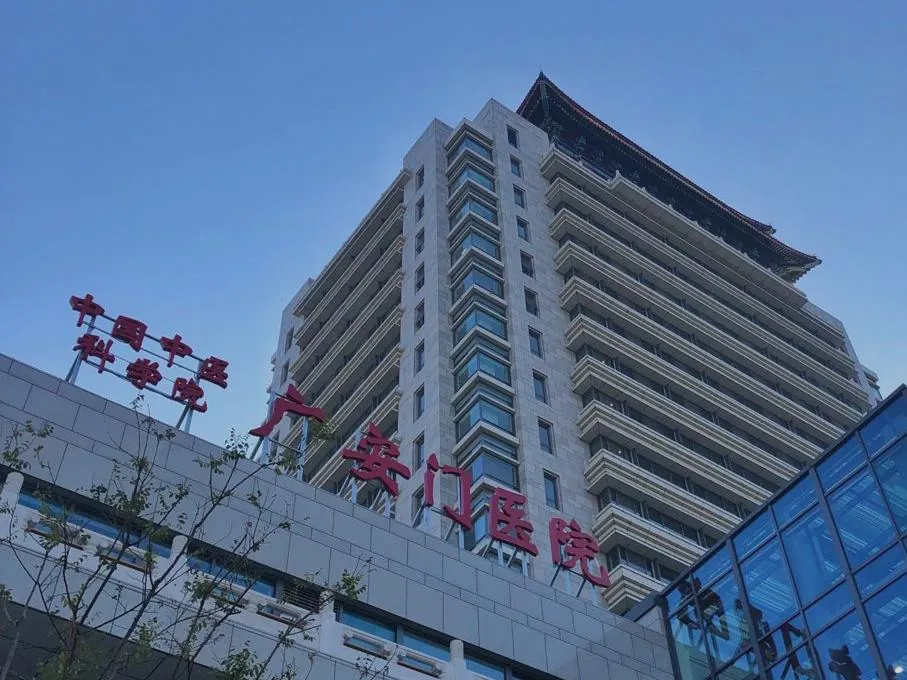
This hospital serves as a national TCM demonstration base for foreign patients.
Its specialties include:
- Oncology rehabilitation
- Immune modulation
- Acupuncture
- Chronic pain treatment
Best for: cancer recovery after chemotherapy, autoimmune conditions, and chronic inflammatory disease.
Shuguang Hospital, Shanghai University of TCM, Shanghai
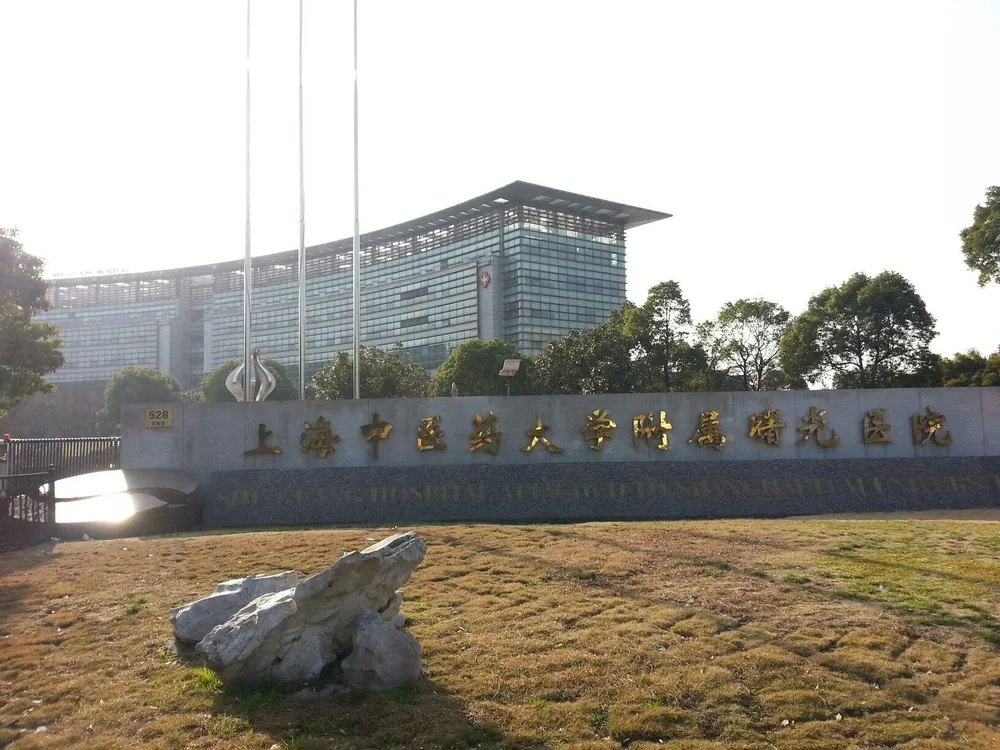
Shuguang is known for its “Haipai” or Shanghai-style TCM model, which combines modern diagnostics with herbal medicine, granule prescriptions, and acupuncture.
Best for: chronic pain, gynecological regulation, and patients who prefer not to use raw herbal decoctions.
For private and premium care
For patients who value privacy, English fluency, and smooth insurance billing over access to giant public hospital systems, China’s private sector offers a different experience.
United Family Healthcare (UFH), Beijing / Shanghai / Guangzhou
UFH helped define international-standard private care in China. It offers full JCI accreditation, Western-trained physicians, 24/7 emergency care, and direct billing with virtually all major global insurers.
Best for: routine care, maternity, pediatrics, and patients who want a clinical experience that feels close to home.
Shanghai Jiahui International Hospital / Parkway Hospital, Shanghai
Jiahui operates on a Western private-hospital model and includes many overseas-returned physicians. Parkway, which has Singapore roots, is especially strong in cardiology, gastroenterology, and maternity, with multilingual teams.
Best for: family medicine, second opinions, and executive health screening.
Quick hospital picks by condition
Here’s the practical shortlist by disease area:
- Undiagnosed or rare disease: PUMCH Beijing; West China Hospital Chengdu
- Solid tumors: CAMS Cancer Hospital Beijing; SYSUCC Guangzhou; Fudan University Shanghai Cancer Center
- Nasopharyngeal carcinoma: SYSUCC Guangzhou
- Cardiac or liver transplant: Zhongshan Hospital Shanghai; First Affiliated Hospital of Sun Yat-sen University Guangzhou
- Neurosurgery or brain tumors: Tiantan Hospital Beijing; Huashan Hospital Shanghai
- Diabetes, metabolic disease, or blood cancer: Ruijin Hospital Shanghai
- Orthopedics or spine: West China Hospital Chengdu; 301 Hospital Beijing
- Reconstructive or microsurgery: Shanghai Ninth People’s Hospital
- Chronic disease plus TCM: Guang’anmen Hospital Beijing; Shuguang Hospital Shanghai
- Maternity, family medicine, or routine care: UFH; Jiahui; Parkway
What international patients should do before traveling
Prepare your records
Bring complete medical documentation, ideally in English or translation:
- Discharge summaries
- Imaging CDs or DICOM files
- Pathology slides
- Medication lists
Chinese specialists place a high value on prior objective data, especially for complex cases.
Contact the international department first
Most top public hospitals now operate international hotlines through WhatsApp, WeChat, or email. Use those channels to check specialist availability, expected wait times, and estimated costs before booking travel.
Verify insurance coverage
Ask whether your insurer has a direct-billing contract with the hospital. If not, expect to pay an upfront deposit — typically RMB 50,000–200,000 for major surgery — and seek reimbursement later.
What care costs look like in 2025–2026
Benchmark pricing remains one of China’s biggest advantages:
- Outpatient specialist consultation: RMB 300–1,200 (USD 40–170) in public international departments; USD 100–300 at private JCI hospitals
- MRI: RMB 600–2,000 (USD 85–280)
- CABG: RMB 150,000–350,000 (USD 21,000–49,000) at top public hospitals, versus USD 100,000+ in the US
- Liver transplant: RMB 300,000–600,000 (USD 42,000–84,000), including donor workup and early postoperative care
Visa, language, and on-the-ground logistics
China has expanded its visa-free transit and tourist policies, and many patients now combine a 144-hour transit visa or a standard medical visa with hospital-issued invitation letters.
For inpatient or complicated treatment plans, it’s wise to request an official invitation letter from the hospital’s international department to support the visa process.
Language support varies. In public hospitals, international departments usually provide English-speaking coordinators, but bedside nursing can still be Mandarin-heavy. Patients with limited Mandarin may want to hire a medical escort or interpreter for visits outside international departments, or choose one of the private hospitals listed above.
The bottom line
There is no single “best” hospital in China for international patients. There is only the most appropriate hospital for a specific condition and care journey.
What stands out in 2026 is how broad the ecosystem has become. The top choices now span:
- Academic heavyweights like PUMCH, West China Hospital, and CAMS
- Specialty leaders like Tiantan, SYSUCC, and Zhongshan
- International-service standouts like Huashan, Ruijin, CJFH, and Nanfang
- Private-sector options like UFH and Jiahui
- TCM-focused centers like Guang’anmen and Shuguang
And with China’s international medical system now covering 850 institutions across 57 cities, the challenge for foreign patients is no longer finding options. It’s figuring out which one actually fits the case.
That’s the real takeaway: treat this as a map, not a beauty contest, and choose based on clinical specialty, service maturity, and what your treatment plan actually demands.